The "Sex Recession" in the City of Love

Having sex? In this economy?
In the year of our lord and savior 2026 when entering the job market is more difficult than ever and having a "boyfriend is embarrassing" Gen Z is simultaneously experiencing a "sex recession."
There are a multitude of reasons that could be contributing to this (in)voluntary celibacy: a rise in conservatism, the current economic climate, increased mental health diagnoses and most predominantly addictive social media sites taking up most of our time. What if this is your day-to-day life and then all the sudden, you find yourself in the "City of Love?"
AUP and Paris itself are internationally diverse places full of students and expats experiencing unique daily lives and speaking different languages. However, we all have one thing in common: living in Paris.
But who even wants to think, let alone talk about, their sex life (or lack thereof)? We created an anonymous survey inquiring into the sex/dating lives of AUP students and expats in Paris that helped answer this question. Respondents ranging from ages 19 to 27 (who have lived in Paris between 6 months and 5 years) revealed that they are in fact dating more and thus more sexually active here in Paris. Along with this however, the culture shock of being placed in arguably the most romantic city on earth has been quite the adjustment for many of them.
For many expats, the "City of Love” has been reflected in what they feel is more common in Paris compared to their home countries: PDA (public displays of affection). According to their responses, this has not always been a positive experience. A respondent from Tanzania wrote, "it's made me think on why I haven't found someone or anyone interested in me if there's so much love in this city." Similarly a recent graduate from Puerto Rico said, "there is an external pressure from home to be in a romantic relationship because of the stereotype that French people are romantic." One respondent from the US gave a possible reason for this perceived PDA party saying "I don't really think there are more lovers here than anywhere else, maybe we're not in cars and we can all see each other it may seem like a lot."
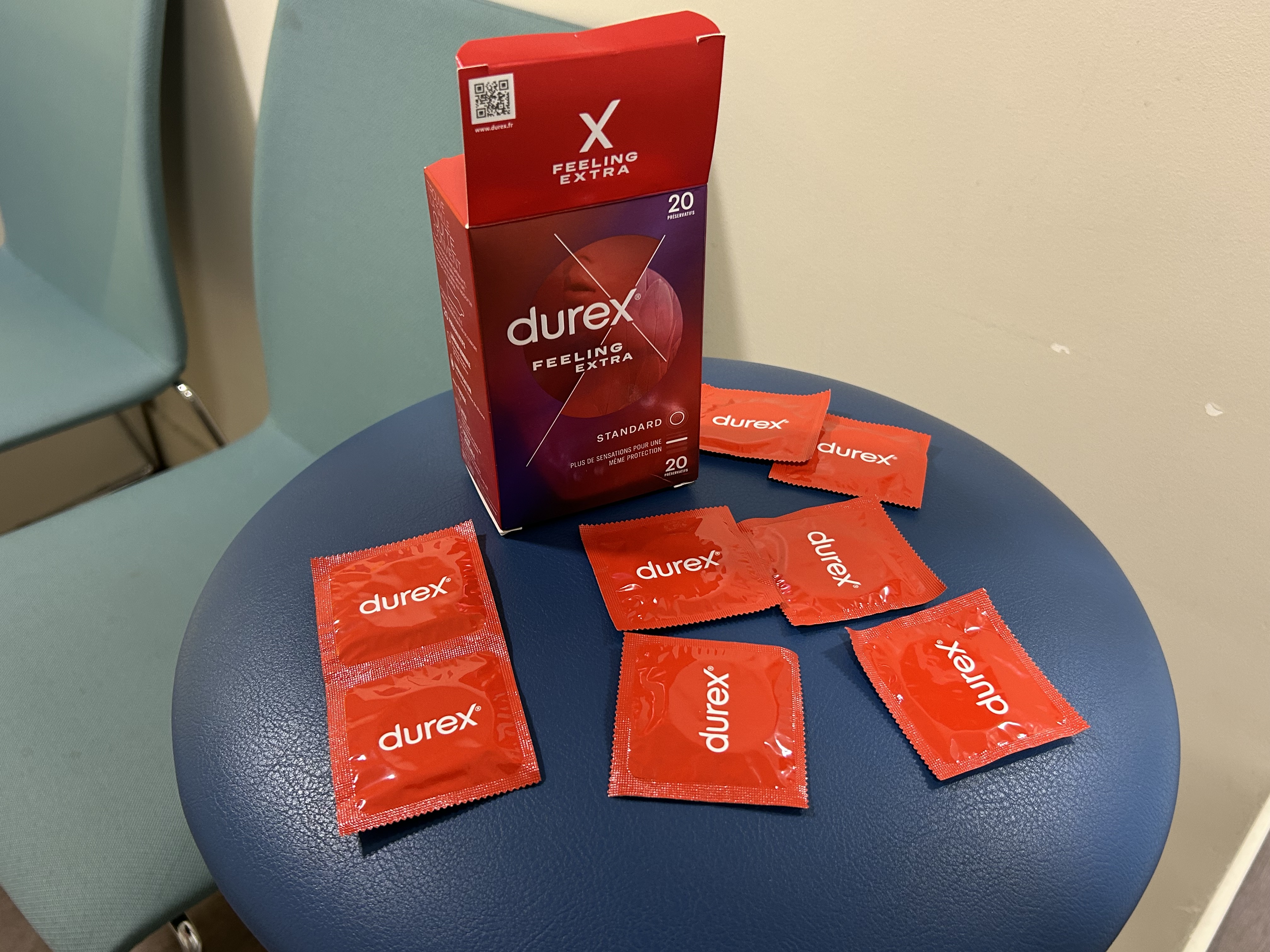
Gen Z has been considered the most depressed generation and are even deemed overmedicated with too much therapy. Many antidepressants (SSRIs) have the side effect of lowering sex-drive which could contribute to this "sex recession." Too much therapy however, may be a good thing especially for what a student from New York City described as "women taking back their power (by not letting whoever hit?)" If being depressed is a seeming inevitability for Gen Z, another student from the US said he would "rather be depressed in Paris."
These expats are not shy in their own opinions for why their generation is experiencing this "sex recession." The most common response being addictive social media algorithms and dating apps, aka, those damn phones; one of the few things we are globally experiencing. An American student also related this to "constant self-surveillance" contributing to the decrease in sexual activity. With what Jaden Smith describes as the "political and economic state of the world right now," sex just does not seem to be high up on Gen Z's priority list. One respondent from Texas wrote, "I feel like in order to have sex, in most cases, involves leaving the home, spending money and communicating face-to-face, which is something difficult for people." This is especially relevant in a post-COVID world. During the pandemic this generation was in their formative developmental years of middle school through university. Now, currently between 14-29 years old, they are at the most crucial academic and career-oriented time in their lives, "we've got so much other sh*t going on, sometimes sex is just the least important" wrote another student from the US.
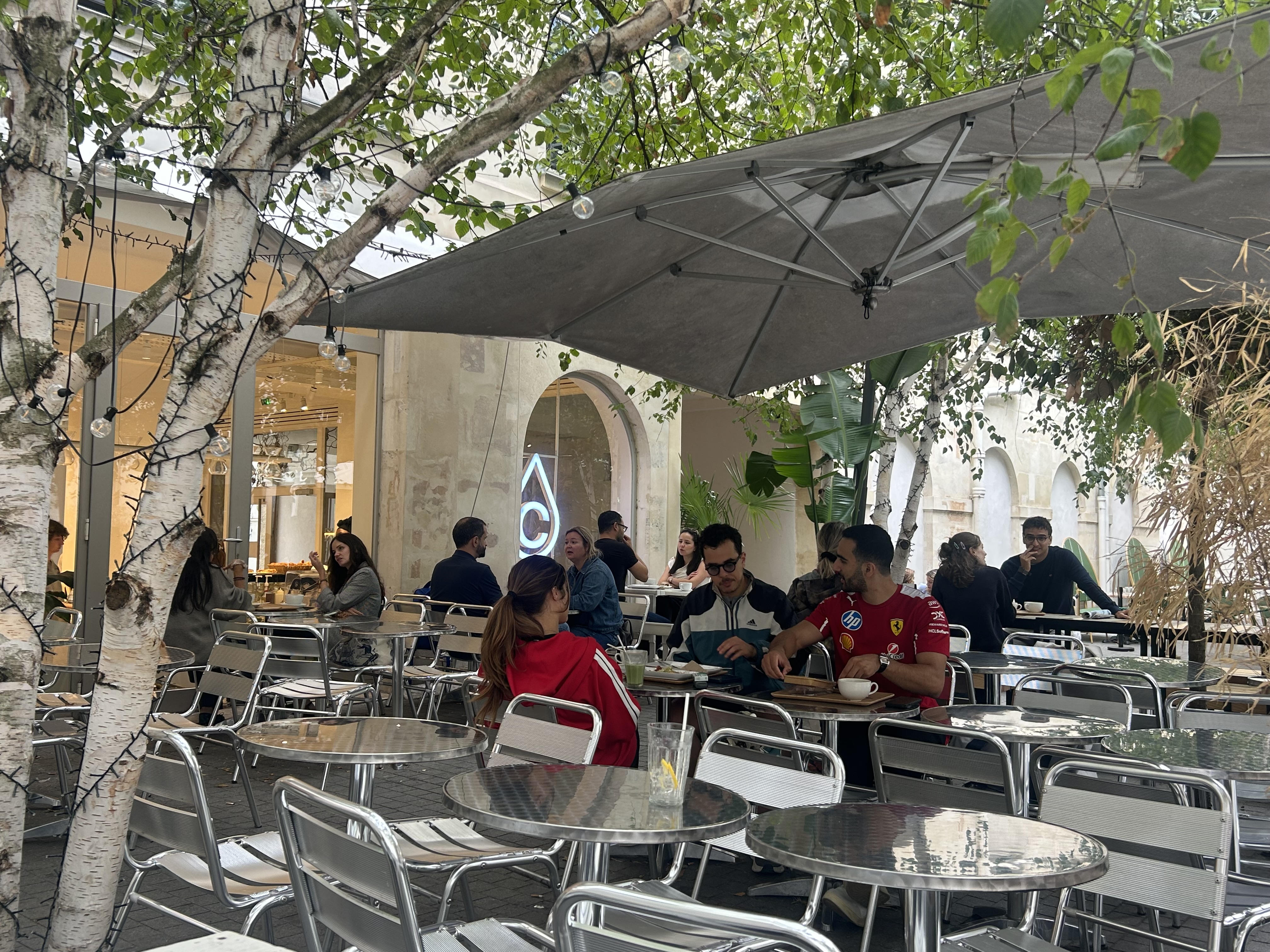
But have these priorities shifted for the select few of Gen Z who have moved to Paris in recent years? The results of this survey revealed that a majority of the respondents have encountered an increase in activity in their romantic endeavors. Surveyees shared the factors which have led to this. Many expats claimed it is easier to meet people here compared to their home country because, as one US graduate student said, "there are more third spaces and areas to hang out every day rather than just on the weekend." These third spaces include, but are not limited to, cafés, bars, parks, libraries and even museums.
While Paris has more third spaces, it is lacking in something else: monogamy. The recent rise in conservatism in many countries around the world has led to monogamous heterosexual culture being pushed as the norm. In hand, with the 2022 overturning of Roe v. Wade in the US, bodily autonomy and sexual reproductive rights for women have decreased immensely. Abstinence has become a safer alternative to unwanted pregnancy. Gen Z is getting to the age where their grandparents were (and maybe now even some of their peers) already married with children. Meanwhile in France, one expat said "I feel like...young families are really looked down upon, so there's almost the opposite pressure of not committing too early." Although France is amongst the countries experiencing an expansion in the far-right, Paris itself "is way more modern and progressive,” said an expat from the Congo
The concept of settling down (any time soon) seems to be a frightful thought for a lot of the younger generation, especially for those with grand ambitions; such as moving to Paris. In this bright and bustling city, codependence on a serious relationship doesn't seem to match the energy. When asked about dating culture in Paris, a student from the US wrote "it is more normalized here to... not tie yourself down." In terms of monogamy another American student said "it's much more openly acceptable to have multiple partners" in Paris.
These American students cannot be generalized as not all cities in the US are experiencing a conservative boom on a local scale. The respondent from NYC (currently the woke-est US city) claims that Parisian "men seem to be more conservative and misogynistic." Misogyny is a culture in itself which manifests differently depending on location. In a diverse city such as Paris, generalizations about certain women are unfortunately inevitable. Another American student said "...it is difficult to overcome the stereotype that American women are 'easy' or not staying in the country so many men are only interested in hooking up, not pursuing a relationship." Whether having a relationship or hooking up is more progressive, is up for debate.
The definition of "hooking up" differs in specificities depending on where you are from but all are rooted in "uncommitted sexual encounters" and all contribute to what is known as "hookup culture." A question on the survey asked whether hookup culture seemed more prominent in Paris or home countries and the responses indicated Paris, but not by much. The expat from the Congo wrote "I would say that it's more accepted in Paris, it does happen a lot in my home country, but they just don't talk about it and hide it most of the time." There seems to be an ability in Paris to separate sex and emotion with one US respondent writing "maybe there's something a bit more detached here, but not necessarily in a negative way." Hooking up to whatever extent is probably occurring all around the world all of the time. However, it is the unwritten social rules that dictate how publicly one goes about this behavior. Paris is a big city where hooking up with someone does not entail the same repercussions as that of a small town where running into someone you know at the bar feels impossible to avoid.
Gregg Araki, writer and director of I Want Your Sex (2026), said "there's this level of...fear of making a mistake... in public because everything you do is public."
I Want Your Sex is a direct commentary on this 21st century sexless phenomenon. The film follows the young twenty something year old performative male protagonist as he takes part in a consensual BDSM relationship with his older, sexually liberated female boss. In an interview with Film Independent Araki relays his message to Gen Z saying "you're the FOMO" [fear of missing out] generation and you're missing out on the sexual prime of your life." I Want Your Sex takes place in Los Angeles and Araki is an American filmmaker. When he questions this generation about not going out, drinking or dating, he probably didn't have Paris in mind.
Based on the results of the survey, there seems to be a sense of sexual freedom in Paris not as present in the respondents' respective home countries. A Romanian graduate student wrote "people are more liberated here." This can be extremely catalytic, especially for LGBTQIA+ individuals as there is a "way bigger queer scene in Paris" wrote the same student. This sensation could ultimately lead to what a US expat described as "I gaf [(give a f*ck)] less here." The inevitability of seeing an acquaintance while going out is much smaller in Paris for newcomers which can make your world feel much bigger. The opportunity for a fresh start and the freedom to express yourself can be monumental. This can mean finally dressing how you want to, saying what you want to and yes, loving who you want to.
Although international students do not come to Paris with the intention of having more sex (unless of course they do), it does seem to be a direct result. This cause and effect may come from the romantic atmosphere or the adrenaline of being in a new city bust most likely stems from the sense of liberation garnered from Parisian immersion. The sense of openness and acceptance in Paris juxtaposes the capitalist technological constrictions felt in home countries. This may be why one comes to Paris in the first place. As one response said, "I am here because I love Paris, not because I want to find love in Paris." But hey, a consequence is not always a bad thing and experiencing love (or the act of it) could be a pretty good one.