The Truth Behind Mexican Independence Day
We've all heard about Cinco de Mayo, one way or another. Some firmly believe it to be Mexico's Independence Day. Others recognize it as merely the anniversary of La Batalla de Puebla, a victory over the French forces lead by Napoleon III in 1862. It is important to mention, this isn't a holiday celebrated in Mexico, it is commemorated just as the birth of Benito Juarez and Constitution's Day but it doesn't qualify as a statutory holiday.
How then did this misconception come to life?
The date gained cultural momentum in the 1960s as a symbol of Mexican American identity, and in 2005 it was officially recognized by the U.S. Congress as a relevant cultural date in American society, enforced through time with American media dominating the global sphere. The portrayal of Mexicans as lively partying people has been enforced through sombreros, tacos, piñatas and tequila. Marking this day as an American celebration.
Mexican Independence Day takes place on September 16 which marks the anniversary of El Grito de Dolores, a speech given in 1810 by Miguel Hidalgo y Costilla, a Roman Catholic priest, which marked the beginning of the movement against Spanish colonial rule.
On September 16, in Mexico and across the world, people come together with families and friends to share traditional food like pozole, tacos and yes, tequila. At midnight, most television and radio channels tune in for the recreation of El Grito de Dolores at the main plaza in the heart of Mexico City, where the president reenacts the speech in front of more than three hundred thousand people.
The recognition and celebration of authentic Mexican culture in Paris have just become recently visible and nurtured. A great deal of Mexican shops and restaurants are thriving after perfecting their craft and appealing to locals and tourists alike with their homelike charm.
This past Friday September 11, Pub Saint Germain, located in the 6th arrondissement, hosted a night of tacos, folklore and mariachi. Organized by El Cartel del Taco in partnership with Sweet Romance and Mi Folklore Danza, the night was the very first Independence Day celebration outside of their restaurant and was full of tacos, conchas, mariachi and traditional folklore dancing.
As hundreds of people joined to celebrate Mexico's Independence Day a few days early, the place didn't take long to be packed and buzzing with the characteristic enthusiasm of an authentic Mexican party. As soon as the traditional dances began, people cheered and watched in awe as the dancers tapped and twirled with candles on their heads. The atmosphere grew more excited as the mariachi took over and people started singing along at the top of their lungs. Soon there wasn't an empty spot in the three-story bar and a long line crowded outside the building.
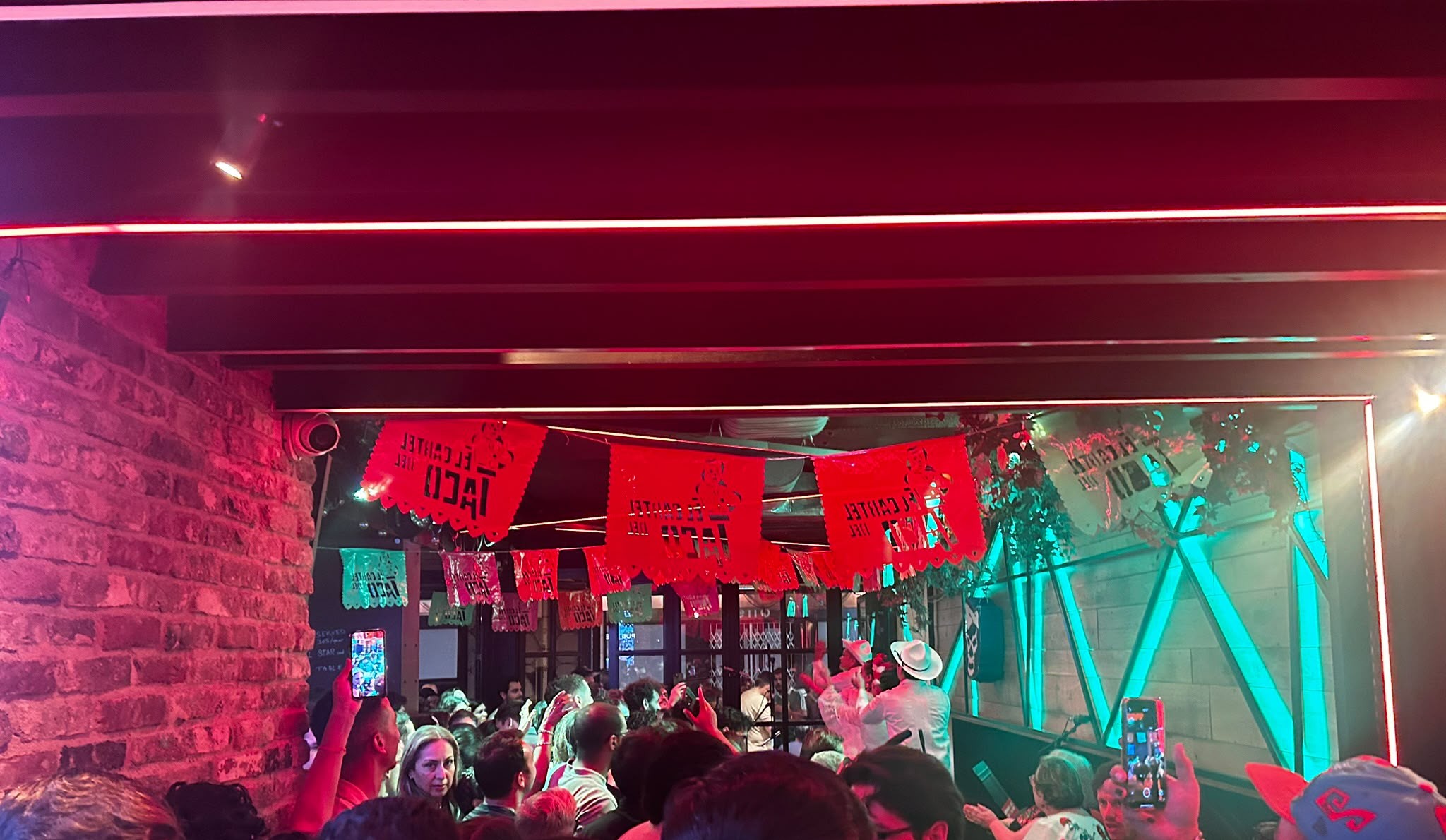
While Mexicans predominantly took over the party, many languages could be heard around. Paired with the warmness and festivity everyone seemed to enjoy the atmosphere.
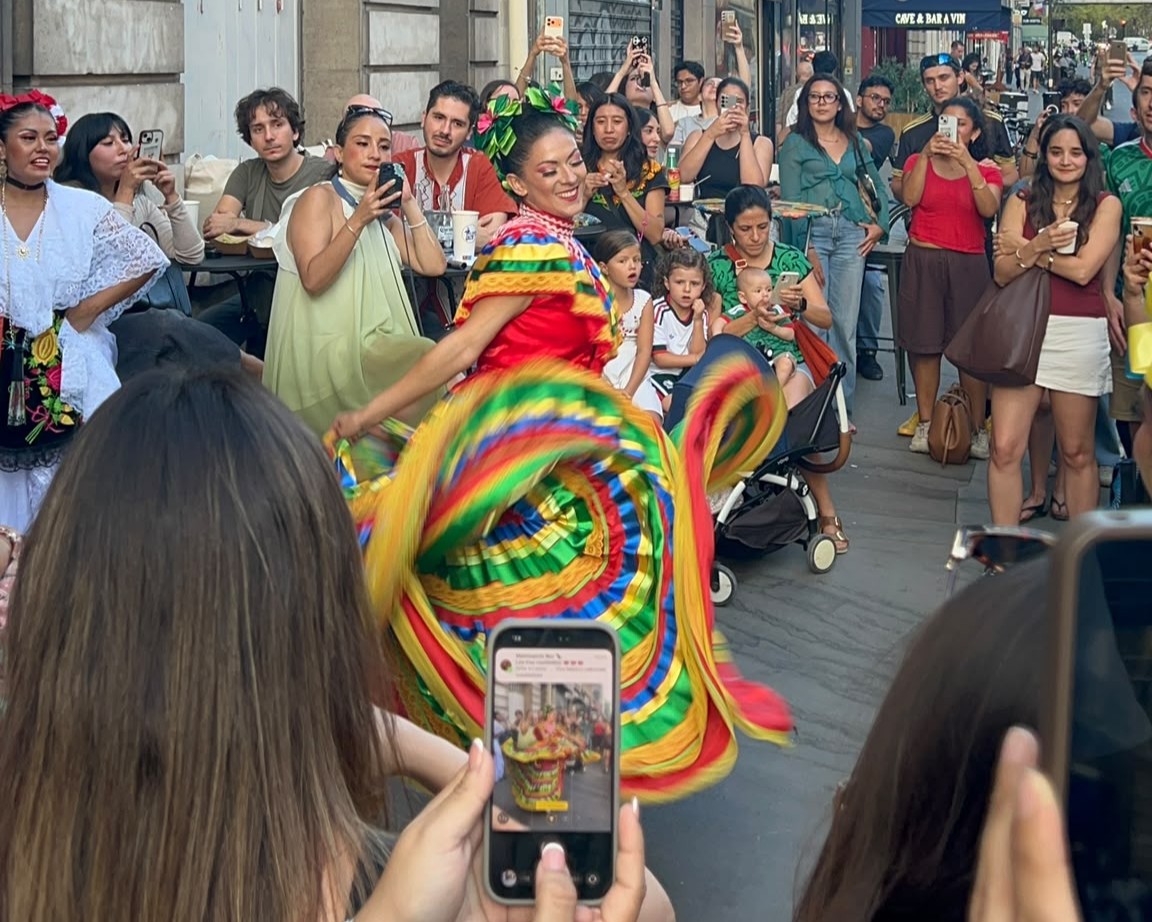
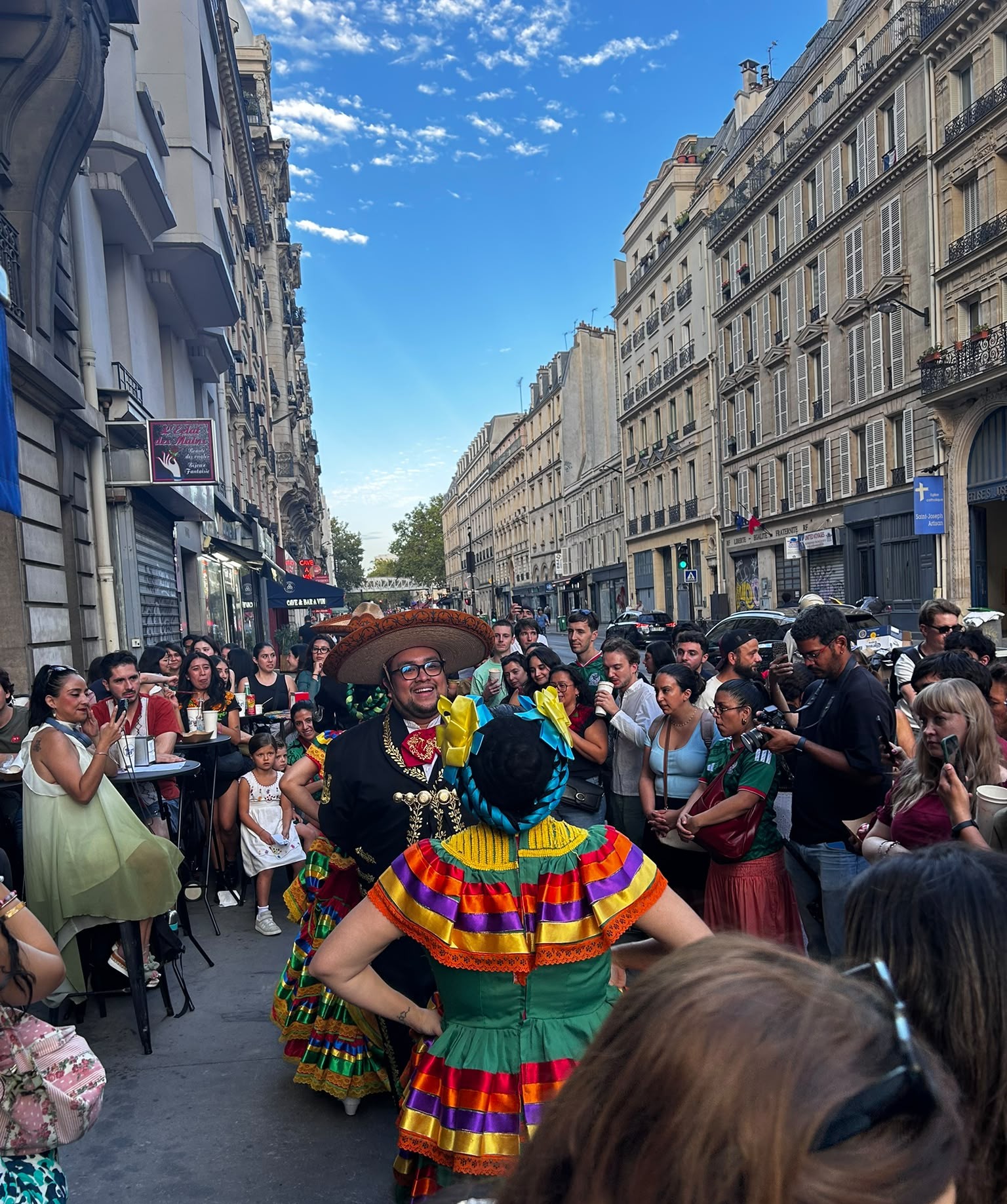
Another event took place on the eve of Independence Day, September 15th. This time at their restaurant, El Cartel del Taco who has redefined Mexican cuisine and community events in Paris for the last few years, celebrated with tacos, margaritas and pozole, a traditional soup made with corn and chile spices. This night's folklore event was permeated with colourful skirts and ribbons, classical mariachi music with violins, guitars and trumpets.
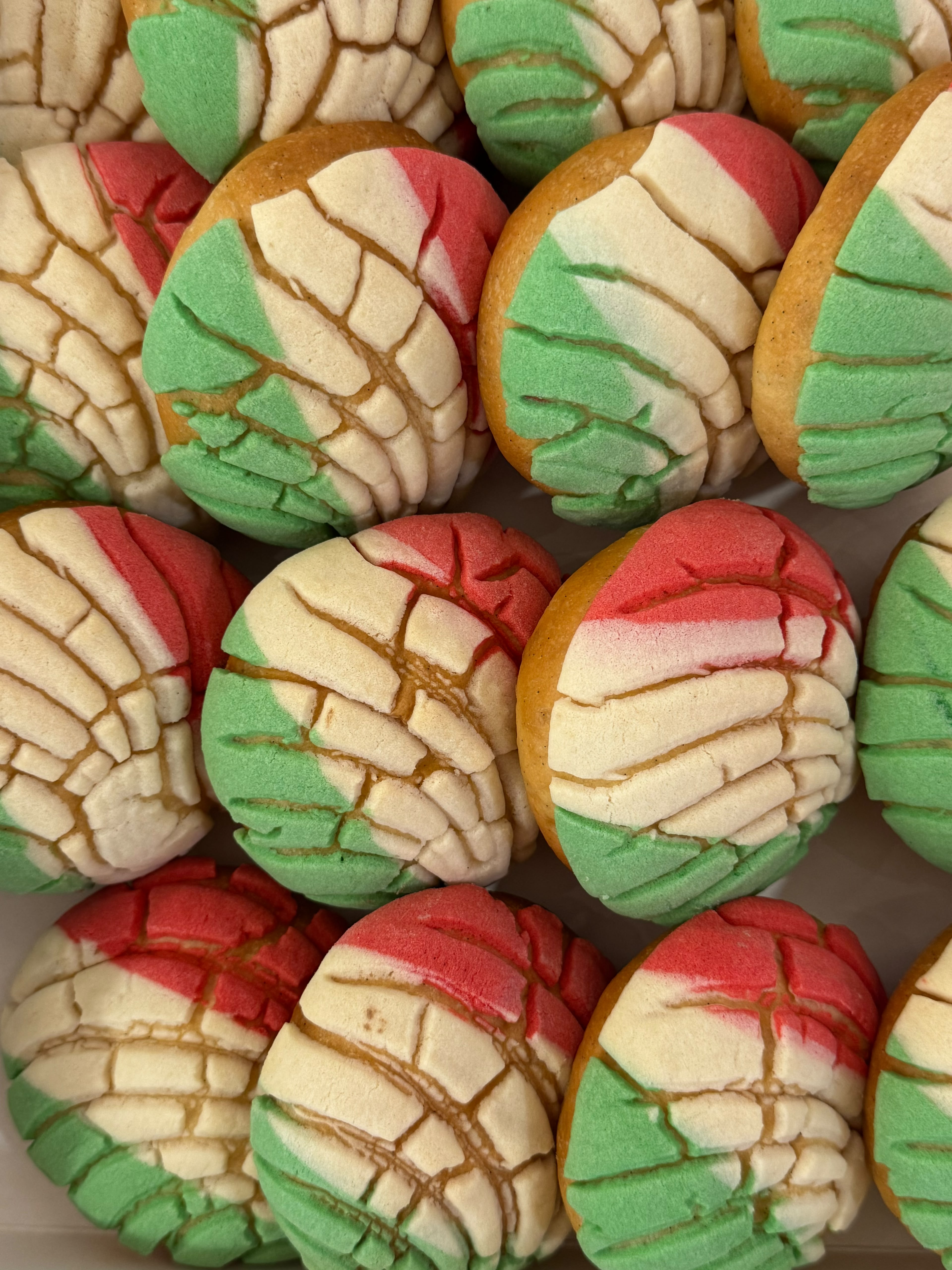
Earlier that day at AUP Combes building, Casita celebrated the start of Hispanic Heritage Month with Mexican conchas for students and staff. Casita is a Latin American student led organization, aimed to connect and bring close a piece of home across the ocean. Its goal is to share the diversity of Latin American culture through food and traditions, while also creating consciousness through specialized talks and conversations with experts on the field.
In talk with people from other Latin American countries as well as other countries around the world, the common reaction was excitement and appreciation for such a lively celebration in all instances. Tacos as always were the uniting force amongst cultures. Stuffed mouths hummed their approval and eyes rolled back at first bite.
"Incredible, these are the best tacos I've tried in Paris by far," exclaimed happily a Colombian AUP student. While another Mexican student sipped joyfully at her pozole and danced while saying, "I love pozole so much, this tastes just like my grandma's."
During the dances, murmurs and exclamations of amazement accompanied cheers and whistles. The way skirts flared with vibrant colours at the rhythm of the music captivated the attention of passersby and spectators alike.
With each passing year, the Mexican community seems to find its grounding and expand festivities into a curious and welcoming environment meant for everyone's enjoyment. Because no matter how far away from home we are, we bring our culture with us, eager to share its music, colours, food and liveliness with all alike. So, next time you pass through a Mexican restaurant come in and be at home.