The Thrill of the Thrift
Living in your twenties in Paris, you're surrounded by hip and chic bling wherever you look. From Rue du Rivoli to the Champs-Élysées, students and tourists alike find themselves drawn to these populated areas for convenience and clothes shopping, but most AUP students don't have a Chanel budget that comes with stores on these streets. That is where thrifting comes in.
Thrifting in Paris isn't like rummaging through your mother's closet. Even if her wardrobe is stylish, it just doesn't quite reflect your own style or sense of self. From 1-euro bins to racks of vintage Dior, Paris thrift stores are packed with hidden gems without maxing out your bank account. When you find that perfect piece, you get the sensation that it was made just for you. When a friend asks where you got that top from, it makes you truly feel like you found a special piece.
The "digging" part of the thrifting experience is more than metaphorical; it taps into this type of neuropsychological reward mechanism. Our brains are wired to respond strongly to unpredictable rewards. In experiments, dopamine levels spike when a reward is received, especially when the reward is a surprise or uncertain. In the context of thrifting, the uncertainty of what you might find, the possibility of discovering something unique, generates an anticipatory excitement that releases dopamine. Simply handling and choosing an item increases psychological ownership and attachment
Thrifting as a Fashion Trend
There was a time when thrifting in Paris had nothing to do with style or vintage aesthetics; it was a way to make a statement. A few decades ago, second-hand shops were more about practicality than style. Many stores were charity-run, like Emmaus, founded in 1940 to help those in need, or Le Relais, which collected used clothing for resale and recycling. Dusty racks, piles of random clothes and a kind of vibe that was more out of necessity. It's where you went if you could not afford new clothes, not where you would go to make a fashion statement. Bonjour Paris describes Guerrisol as "a leading institution in the French second-hand clothing market for over 40 years," pointing toward its earlier role in bargain hunting rather than trendsetting.
@illegalenvoyage Abonne toi ! Des vêtements de luxe vraiment pas cher comme Burberry, Yves Saint Laurent ou des marques recherchées comme Ralph Lauren ou Hugo Boss. Je vous présente ma friperie pas cher préférée Guerrisol à Marcedet Poissonniers à Paris dans le 18ème arrondissement au 96 boulevard Barbès #friperie #bonplan #guerrisol #luxe ♬ son original - illegalenvoyage
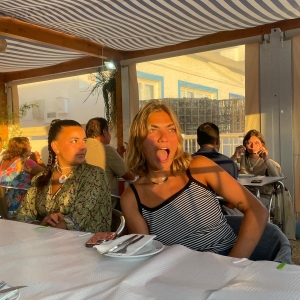
Paris thrifting has surged in popularity, with the help of social media. Abby Glass is a third-year student at AUP. She is the type of girl whose closet you'd go to when in need of finding the perfect top to match the jeans you have. She says, "thrifting as a fashion trend is a good thing because it has promoted sustainability", but on the other hand Olivia Hernandez says "I don't think thrifting should be a fashion trend, I think it should just be a way people shop," noting towards how we already have so much being produced, we have more then enough clothes to last multiple lifetimes.
Olivia Hernandez is another third-year AUP student from New York City. She has one of the most unique styles, a mix of a bit of boho rock. and on the special occasion attends some fashion shows, her most recent being Kobi Halperin.
What's the point?
Why choose thrifting over just spending the money on clothes first-hand from the stores themselves? Simple, it ticks off all the boxes on a student budget checklist.
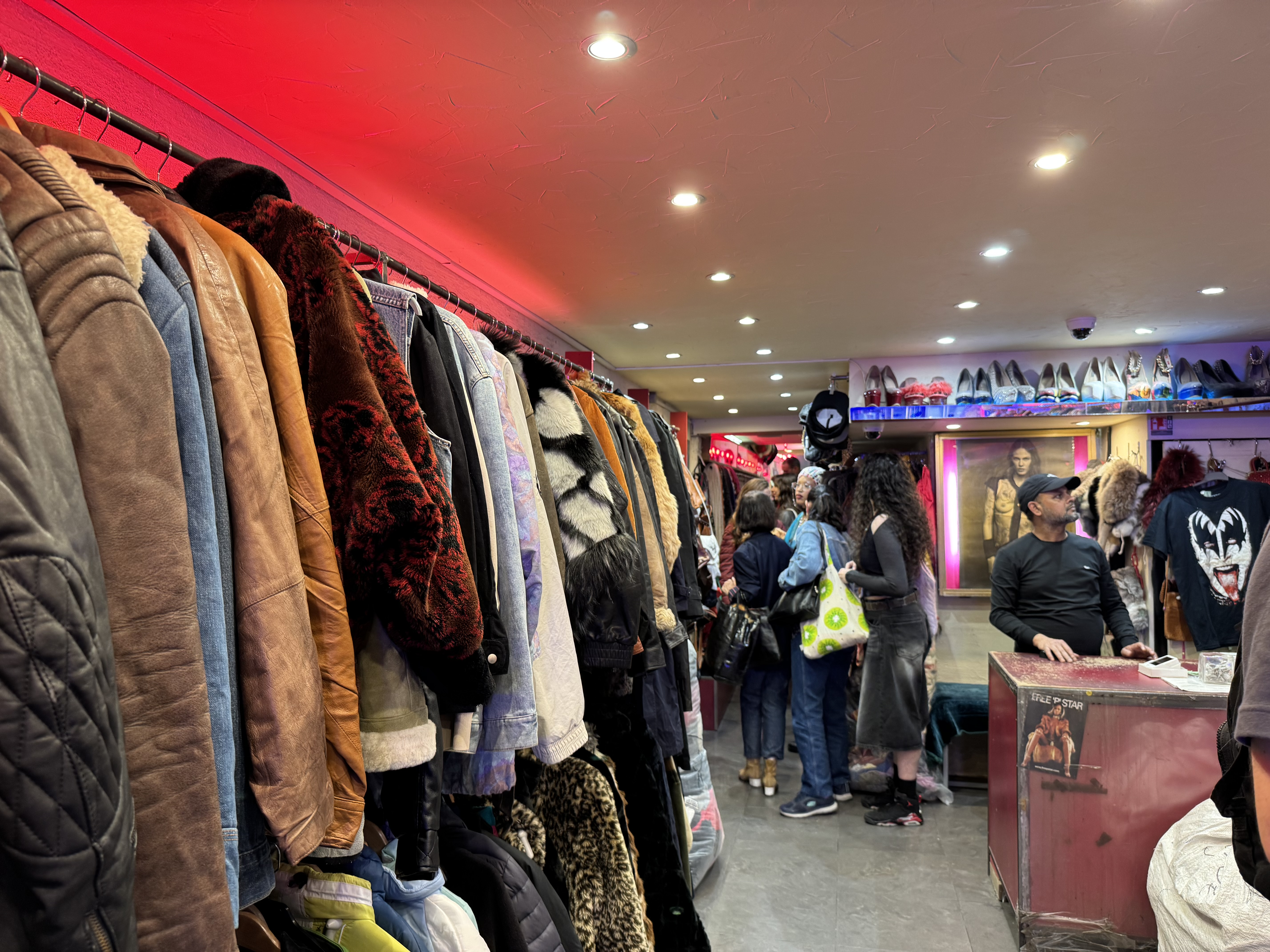
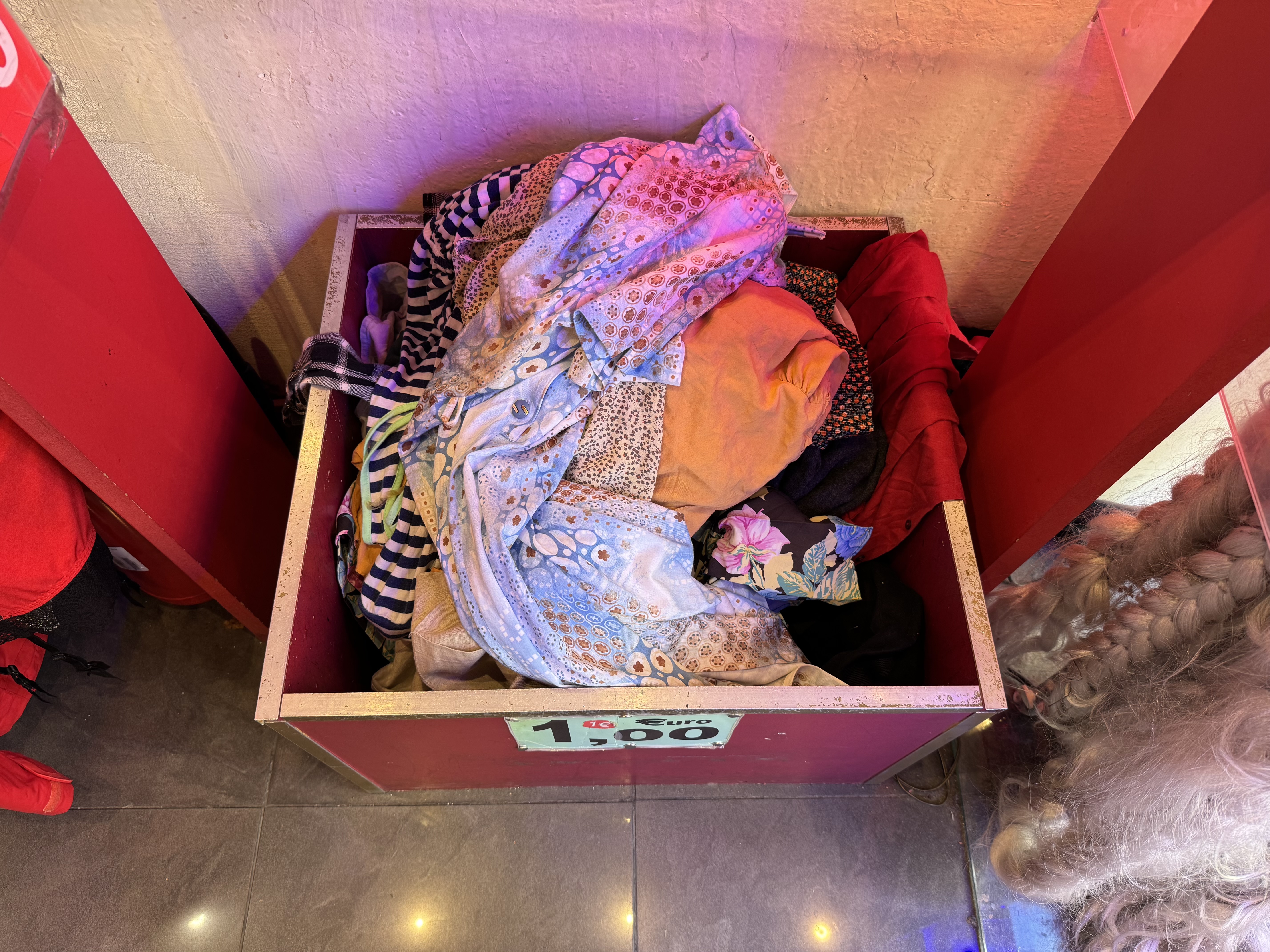
Most students do not have endless money to spend; therefore, thrift stores let you reset your wardrobe without blowing your grocery budget for the month. If you are willing to dig around in Free p'stars 1 euro bin, you could walk out with a whole bag for under 20 euros. The 1-euro bins can contain lower-end clothes from t-shirts, cotton tops, lightweight items, to accessories such as scarves, hats and gloves. Often, these items need repair or cleaning, but they come from overstock or bulk shipments.
At even more curated spots like Retro or Bobby you can find vintage Levi's for 30-45 euros instead of 120, or a unique coat for an affordable price. Bobby is a consignment and vintage shop the positions itself more on the trend-forward, curated end of the second hand market. Retro is focused on older more stylistic piece rather than secondhand "pre-loved'' clothing. Free'p'star is the kind of shopping that makes you feel smart, like you have hacked the Paris fashion scene, "I bought a jacket about two years ago from free'p'star and its still one of my favorites" Abby says, showing how these thrifted pieces outlive clothes from mainstream stores. It is known for its appealing bargains and dense with inventory.
Fast fashion might keep up with the trends but it kills originality. Do not get me wrong these brands offer decent prices but they are striped of their uniqueness. If Zara releases a new jacket, you can find it in 10 other stores by the end of the week and before you know it, half of the city is wearing it. A month later, you do not feel like the clothes are "you" and that it does not represent your style anymore. Not to mention how unsustainable fast fashion is for the environment. The industry is responsible for around 8-10% of global carbon emissions. But then why do consumers still buy it?
Fast fashion brands undercut traditional brands by sourcing low-cost materials and paying low labor cost allowing them to sell at low prices. Trends also change fast and fast fashion fills the gap between the runway and the street by offering new designs quickly. As a result, thrifting provides you pieces that are unique, often one-of-a-kind and creates an interesting challenge for you to style. Somehow it just feels cooler to rock a thrifted outfit than to pull something straight off of a mannequin. What we wear also has a huge impact in how we feel about ourselves and our confidence. You can curate a personal mood board that you can wear to class.
"I definitely get the most complements on my thrifted pieces" comments Olivia Hernandez, a third year AUP student from New York City. In my opinion she has one of the mise unique style a mix of a bit boho rock. and on the special occasion attends some fashion shows, her most recent being Kobi Halperin.
Instead of fueling an industry built on overproduction, you are giving clothes a second life. The fast fashion industry is one of the world's top polluters, producing endless new clothes, burning through water and creating waste that ends up in landfills. Producing new collections every week, most of it is designed to be worn a handful of times before it falls apart or goes out of style.
Thrifting isn't just about shopping, it's an experience. The thrill isn't only in the find, but in wandering around Le Marais with friends, getting a sweet treat and sifting through bins together. It starts to feel less and less like your buying clothes and more like you're discovering something with every purchase. It becomes about the who you were with, why you chose it and what were you doing. Shifting the act from a purchase to a discovery. You're not selecting from a pre-edited rack; you're finding it as you go.
The TikTok effect
Places that use to be considered hidden gems, have been overrun with Instagram and TikTok gurus, causing these stores to raise their prices according to customer numbers soley because they can. Before people were shopping for affordability but this new crowd of wealthier person has come creating demand. Newer customers with higher purchasing power drives up prices. Vintage has slowly shifter from necessity to trend. Now many thrift stores look like curated boutiques with color-coded racks, playlists that feel straight out of a runway show and handpicked pieces that scream fashion week, "much more vintage and higher in price as well" says Olivia, not to say these pieces won't last a lifetime but "the whole point is to find and dig for these pieces" she continues. Digging for these pieces is different from going on that rack to find something.
Some AUP students like this curated experience, "personally I don't want to spend hours digging through bins and piles, having to look at each individual piece" AUP junior Abby says, Pointing out the fact that sometimes when you go thrifting you have to plan your day revolved around the fact that you're going thrifting. On the other hand, others prefer the hunt for a hidden gem. It all depends on your own personal preference and style. Some don't even like thrifting at all. But to each their own.
Thrifting is a fun way to give new life to old styles. Nowadays you see the seventies bohemian style to the power dressing from the eighties coming back into style. Yes, you could go get these dupes off the rack at any department store but where is the creativity coming from a pre-styled outfit. I'll stick to my preloved pieces where each piece can be worn like a blank canvas.