Two Kingdoms, Two Cultures: Puy du Fou and Disneyland Paris
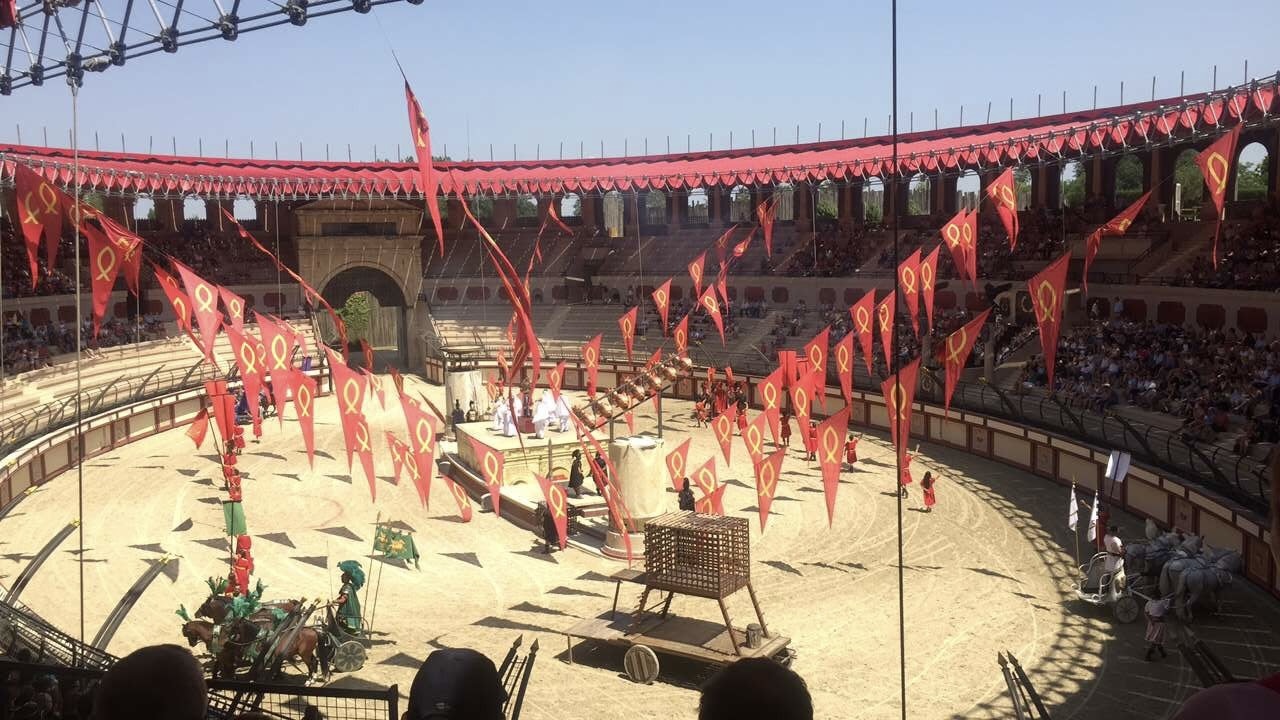
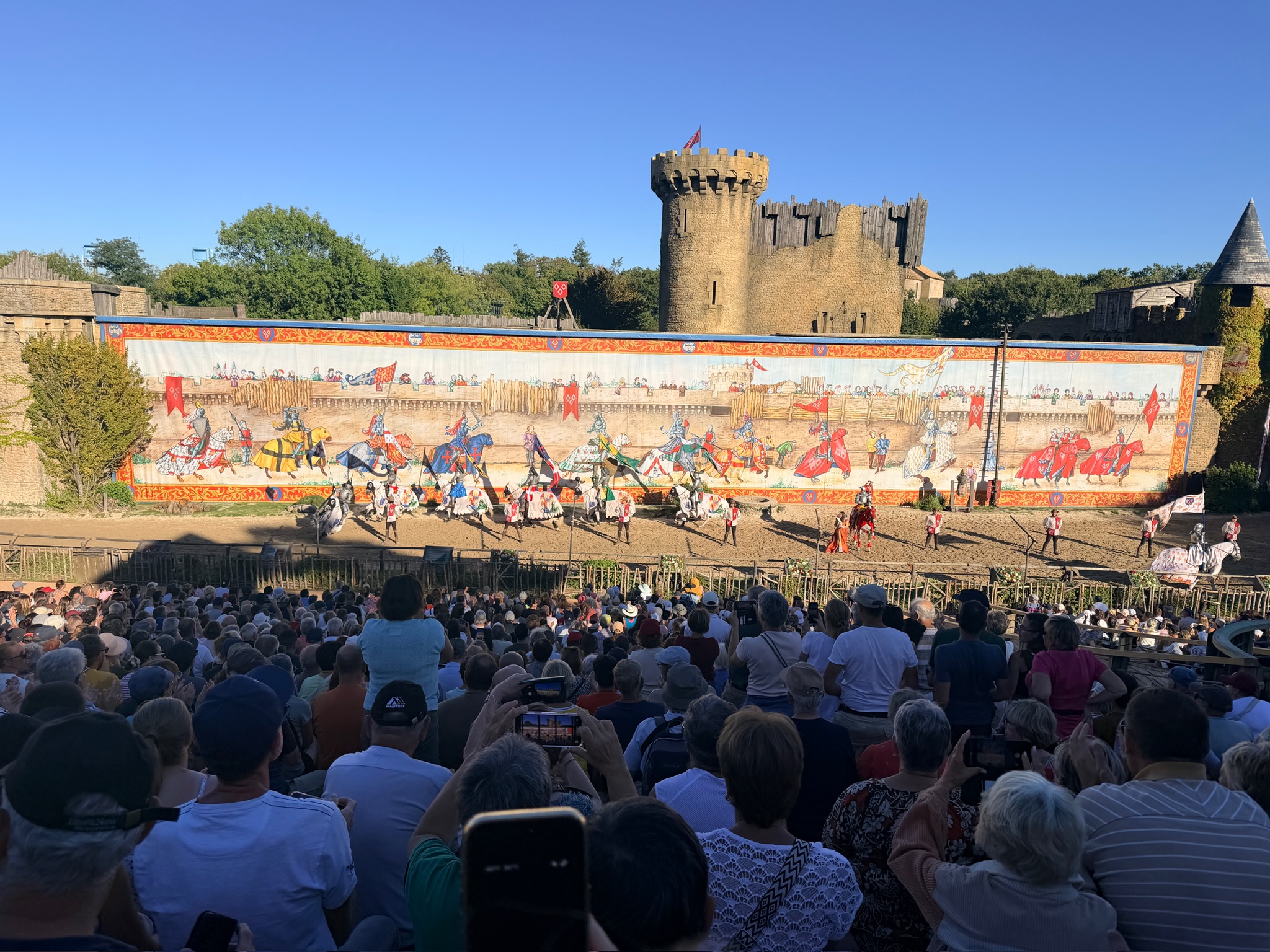
Picture roman soldiers on horseback riding through a full-scale Roman colosseum, or imagine a Viking longship crashing through real flames as the crowd feels the heat on their faces. That’s an average afternoon at the Puy du Fou, a French amusement park in western France dedicated to “historical” and mythological pieces of theater and a favorite among the French, tourists and history lovers.
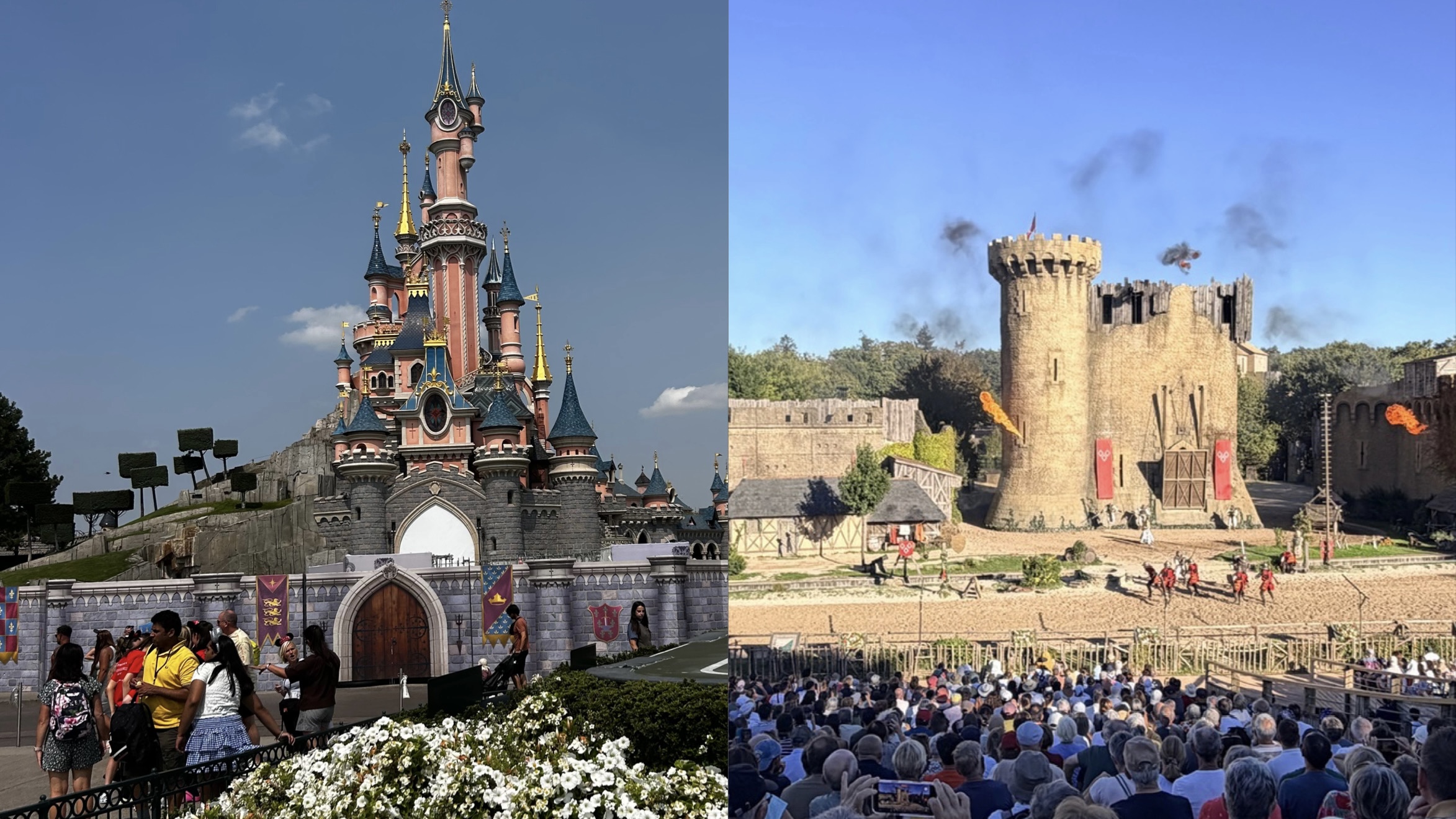
About two hours away at Disneyland Paris: princesses in ball gowns dance through the streets in front of the famous Disney castle; roller coasters shoot by at top speeds; and visitors are lining up for a churro and the chance to snap a photo with Mickey Mouse.
How does any reasonable AUP student choose between these two amusement parks? Is it better to explore an attraction that's completely new? Or stick with the recognizable American attraction that we all know and love?
Puy du Fou, located in the Vendée Valley, was founded in 1977 by Philippe de Villiers, an ultra-conservative politician who briefly served as France’s secretary of state for culture. Puy du Fou doesn’t operate like a normal theme park. There are no roller coasters or rides, and no mascots wandering around for photos. Instead, there are enormous live spectacles: gladiator battles, Viking raids, a full recreation of World War I trenches and many more.
I went for the first time about ten years ago in middle school, and this year I had the chance to return. I was expecting it to feel smaller, exaggerated by the nostalgia of childhood. It wasn’t. If anything it’s grown. They’ve added new spectacles, the French word for the shows (and yes, it’s as dramatic as it sounds). The setup is pretty much the same since I was last there. No rides, just history staged as pieces of theater.
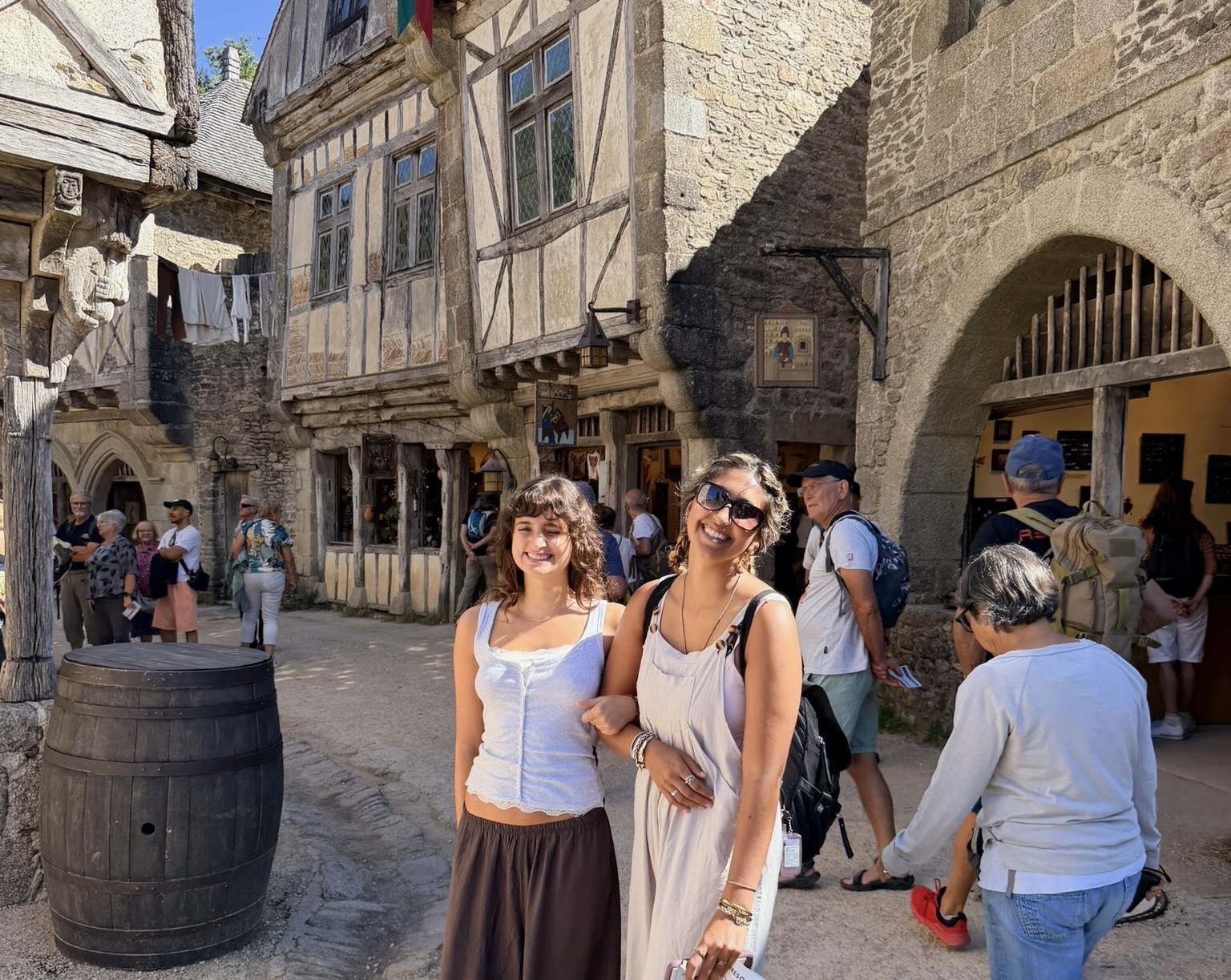
AUP alum Leah Morera, who attended the park with me this year, said, "I loved Puy du Fou. I didn’t know what it was so I had no expectations before going, and it blew my mind. I loved how every worker was in character and the atmosphere of it being in the middle of nature really made it feel like you were in medieval times immersed in this magical world." Matteo, another AUP alum, described the park as "similar to medieval times in America...but huge with a bigger budget and multiple shows."
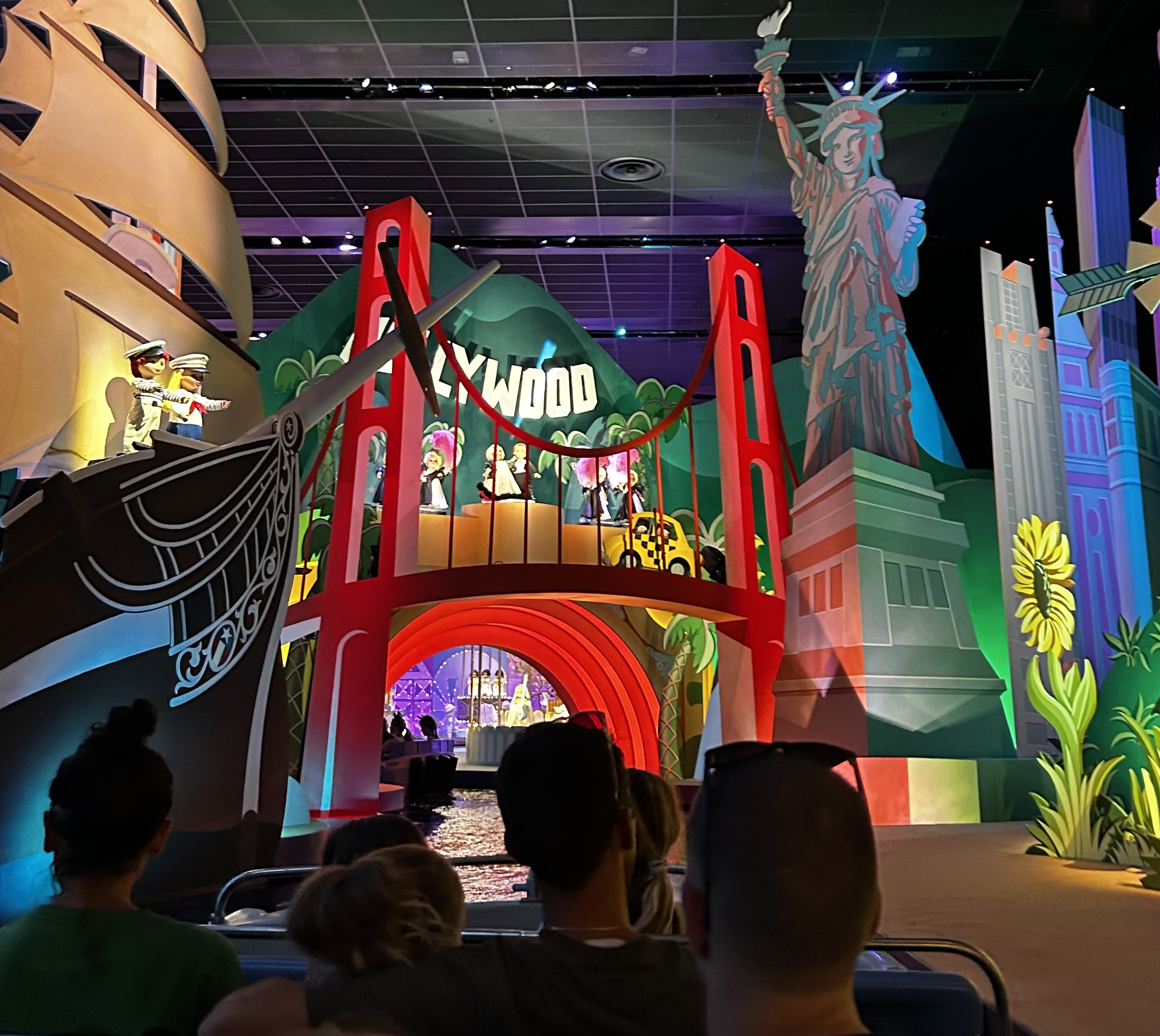
Disneyland Paris offers the opposite experience. I’ve been a few times since 2018, and it’s a totally different vibe. Roller coasters, parades and Disney characters everywhere you turn. Where Puy du Fou asks you to sit and watch, Disneyland asks you to move, strap in and become part of the Disney franchise. One sells immersion into a historical story that someone else already wrote; the other sells you into a fantasy of becoming the main character in a very well-branded conglomerate.
The contrast isn’t accidental, and it isn’t just about ride design. It’s an example of an old argument about American cultural influence in France. When Disneyland Paris opened in 1992 — it was originally called “EuroDisney" — French intellectuals reacted as if an invasion or attack had landed in the French countryside. Parisian stage director Ariane Mnouchkine famously called it a “cultural Chernobyl”, a phrase the French press repeated for years. Cultural minister Jack Lang had already warned that dominant wealthy nations impose a single culture on everyone else “in the name of profit”. Farmers blockaded the gates on opening day to protest American-backed trade policy, and a Le Figaro columnist wrote that he hoped protesters would burn the whole thing down.
For many in France, Puy du Fou was the answer to that anxiety. At the time the main rival to Disneyland was Parc Astérix, a French theme park with roller coasters and themed around the famous bande dessinée (comic book) "Astérix et Obelix". But what makes Puy du Fou different is that it is explicitly built around a Christian, traditionalist and politically conservative version of French history. Oxford historian Sudhir Hazareesingh describes its version of Catholicism called “intégriste”, or traditionalist, not the moderate version. The New York Times reported this month that critics called the park a peddler of far-right propaganda. It’s an accusation that has only grown louder as ultraconservatives edge closer to power in France for the first time since WW2.
AUP alum Matteo reflected on his visit. "I knew it was a fascist park vaguely before going, and some of it even blends into the park,” he said. “For example they had a [spectacle] about the green owls (a pro-monarchist anti-revolutionary militia in Brittany) and it was awesome (the theatrics, effects, etc.) but the whole time I was like wow I can’t believe we’ve got French people who are anti French Revolution in the big ’26."
Puy du Fou remains an important economic powerhouse for the region. According to Le Journal des Entreprises, the Puy du Fou generates roughly 145 million euros a year for the region and supports (directly or indirectly) over 3,300 jobs. It also has one of the largest bird sanctuaries in France with over 950 birds that the park takes care of and trains for the spectacle “Le Bal des Oiseaux Fantômes”.
Founder Philippe de Villiers — who campaigns against the EU, Islam, gay marriage and immigration — has described the park’s mission this way: “Cultural victories precede political victories”. I don’t personally agree with his political stance, but watching the park in action is genuinely fascinating. This place looked at the American entertainment wave crashing onto French soil and, instead of resisting it quietly, built its own enormous, dazzling spectacle to counter it. One that borrows Disney-level production, but to entertain people in a completely different way. I’ve never been to another theme park like it anywhere else.
Matteo agreed. "Frankly, I thought it was awesome," he said. "The shows were elaborate and engaging. The special effects, battles and theatrics were all super cool."
Ninety miles apart, both bets paid off. Disneyland Paris is now the most visited theme park in Europe and Puy du Fou is the second most visited in France. Maybe that’s the real takeaway: France didn't just resist Americanization or accept it, but built a rival kingdom and dared you, the visitors, to notice the difference.
So next time you’re thinking about going to a theme park in France, consider all the options before picking the American one you’ve seen plenty of times before.