
The Matcha Movement
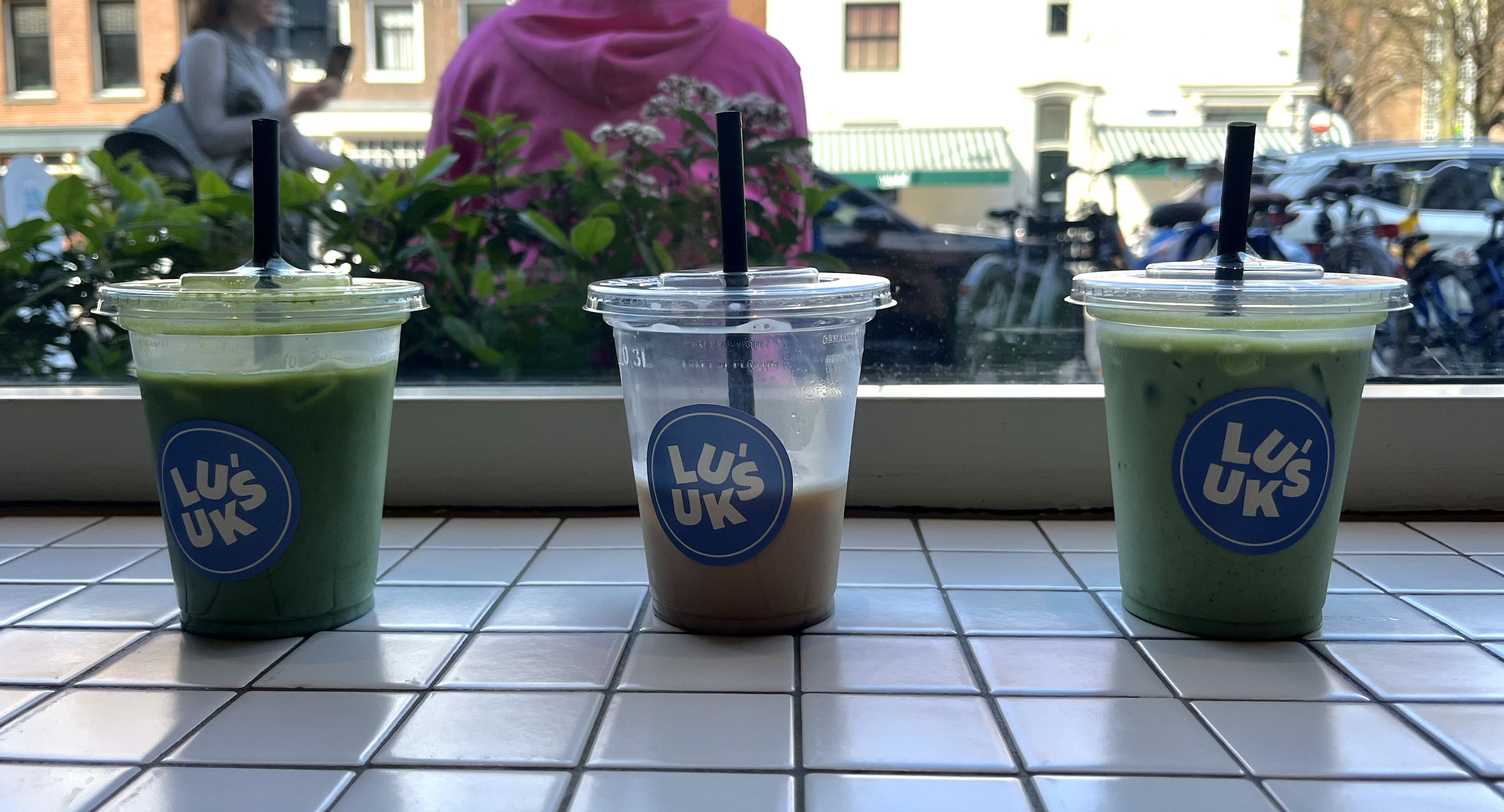
Whether I’m at home in New York, back at my usual university in D.C. or now studying in Paris, grabbing a coffee with a friend has always felt like it serves three purposes: first, to get caffeinated and be productive; second, for the aesthetic; and third, most often, just to have something to sip on out of boredom.
Lately, though, my usual coffee runs have started to look a little different. That familiar cup of coffee is being swapped out for a vibrant green challenger: matcha. Out of curiosity, I’ll ask my friends for a sip here and there, but I still can’t quite get past the grassy, almost fishy taste. Of course, everyone has their own palate, but it’s made me wonder: what’s behind this growing matcha takeover?
A Long History Rooted in Meditation and Focus
Although relatively new to Western society, matcha has been around for nearly a thousand years. Its origins trace back to a Zen Buddhist monk named Eisai, who introduced matcha to Japan after bringing its seeds back from a pilgrimage to China in the late 12th century. Eisai can also be credited with introducing the Song Dynasty style of matcha tea preparation, where powdered tea is whisked with hot water using a bamboo whisk—a method widely practiced, particularly among Buddhist monks, and nearly identical to how the drink is prepared today.
Not only is the preparation method said to enhance meditation and sustain focus, but Eisai observed that drinking matcha improved his meditation by keeping him calm yet alert. His findings even resonated deeply with the samurai class, who adopted matcha to sharpen focus and maintain composure before battle.
As matcha’s influence grew, it surpassed its purpose as just a drink and became a central part of many tea ceremonies. The chanoyu, the Japanese tea ceremony that flourished in the 15th and 16th centuries, elevated tea into an art form, emphasizing harmony, respect, purity and tranquility. In a way, matcha served as a meditative ritual.
Matcha’s Health Benefits: More Than Just a Caffeine Fix
One of the main reasons matcha is now powering its way into mugs, smoothies and morning routines around the world is its health benefits. According to the National Library of Medicine, the traditional cultivation method, where the tea plants are grown in the shade, enables them “to produce higher amounts of amino acids and bioactive compounds, including chlorophyll and theanine,” which is also responsible for its unique color and taste. And that's just the beginning—matcha is linked to a dozen other health benefits, many of which are explored in greater detail here.
Matcha also has a relatively high caffeine content; however, it offers a slightly gentler option than coffee. In fact, in regular doses, matcha’s caffeine may “reduce persistent oxidative stress, bringing down the prevalence of free radical-mediated diseases. Additionally, caffeine may inhibit the secretion of proinflammatory cytokines, demonstrating anti-inflammatory effects.”
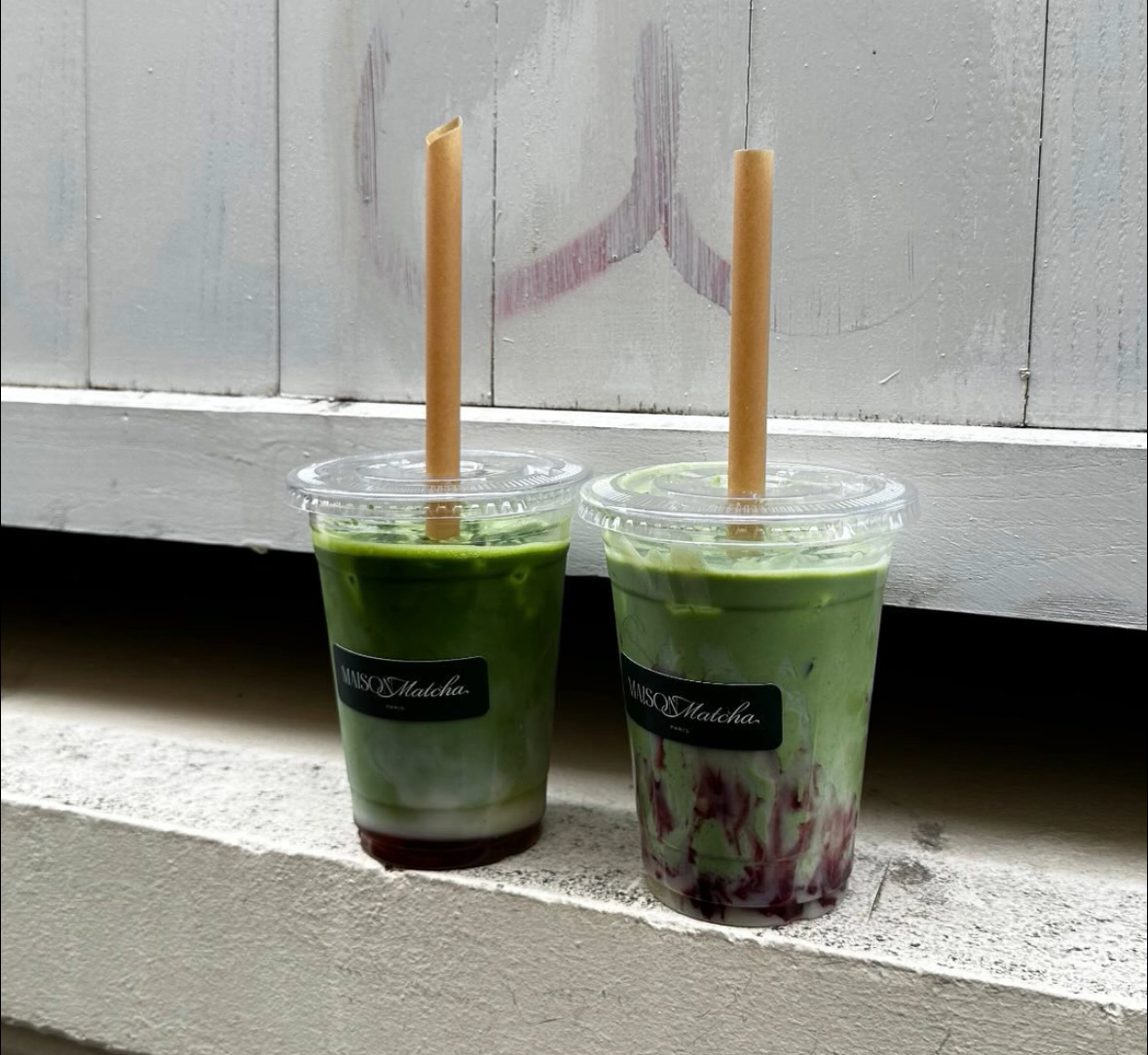
Today, one of the most common types of social media influencers is the health guru, showcasing their morning routines, meal preps, workouts and latest health trends. According to a recent Guardian feature, matcha’s rise has been shaped by shifting consumer values. Today’s drinkers are looking beyond caffeine—they want functionality, mindfulness and sustainability. People want beverages that help them feel better, not just more awake. Unlike coffee’s intense jolt and familiar crash, matcha offers a more gradual kind of energy. With its high antioxidant levels, anti-inflammatory properties and ties to ritual and intention, matcha is checking every box.
A Greener Brew: Matcha’s Sustainability Advantage
For a generation deeply invested in climate-conscious living, there’s also the environmental factor. Matcha production generally leaves a lower carbon footprint compared to coffee farming. According to a study by the Department of Water Engineering and Management at the University of Twente on The Water Footprint of Coffee and Tea Consumption in the Netherlands, “A standard cup of coffee with 7 grams of coffee in the Netherlands uses about 140 liters of water.”
On the other hand, matcha and other green teas are much lower: “3 grams of green tea in the Netherlands used to prepare one cup was found to use about 34 liters of water for growing, harvesting, processing and preparing.” This study takes into account the growth of the produce, harvesting, washing, roasting and brewing.
As Gen Z and millennials increasingly prioritize sustainability and mindful consumption, matcha stands out as a greener, more responsible choice.
The Art of the Aesthetic Drink
Lastly, let’s not ignore the aesthetics because, let’s be honest, café drinks are often as much about the vibe as the taste. For example, take some iconic Parisian spots like Café de Flore, known for its cappuccinos stamped with the café’s elegant wordmark, or Carette, famous for its rich hot chocolate served with a towering swirl of whipped cream. When I first arrived in Paris, it wasn’t necessarily the food that pulled me into these places but the beautifully crafted drinks I’d seen all over Instagram.
According to The Guardian, “many of the biggest brands are designed to be catnip on social media,” referencing the rise of Blank Street—a New York-based coffee chain with a minimalist, mint green aesthetic. With 40 locations in New York City, hundreds more across the U.S., and 24 in the U.K., Blank Street has mastered the art of the photogenic drink.
Matcha fits seamlessly into this visual culture. Its naturally vibrant green hue pops in photos, standing out against neutral backdrops and pastel branding. For a generation raised on social media, a drink that looks good and feels good to consume checks all the boxes.
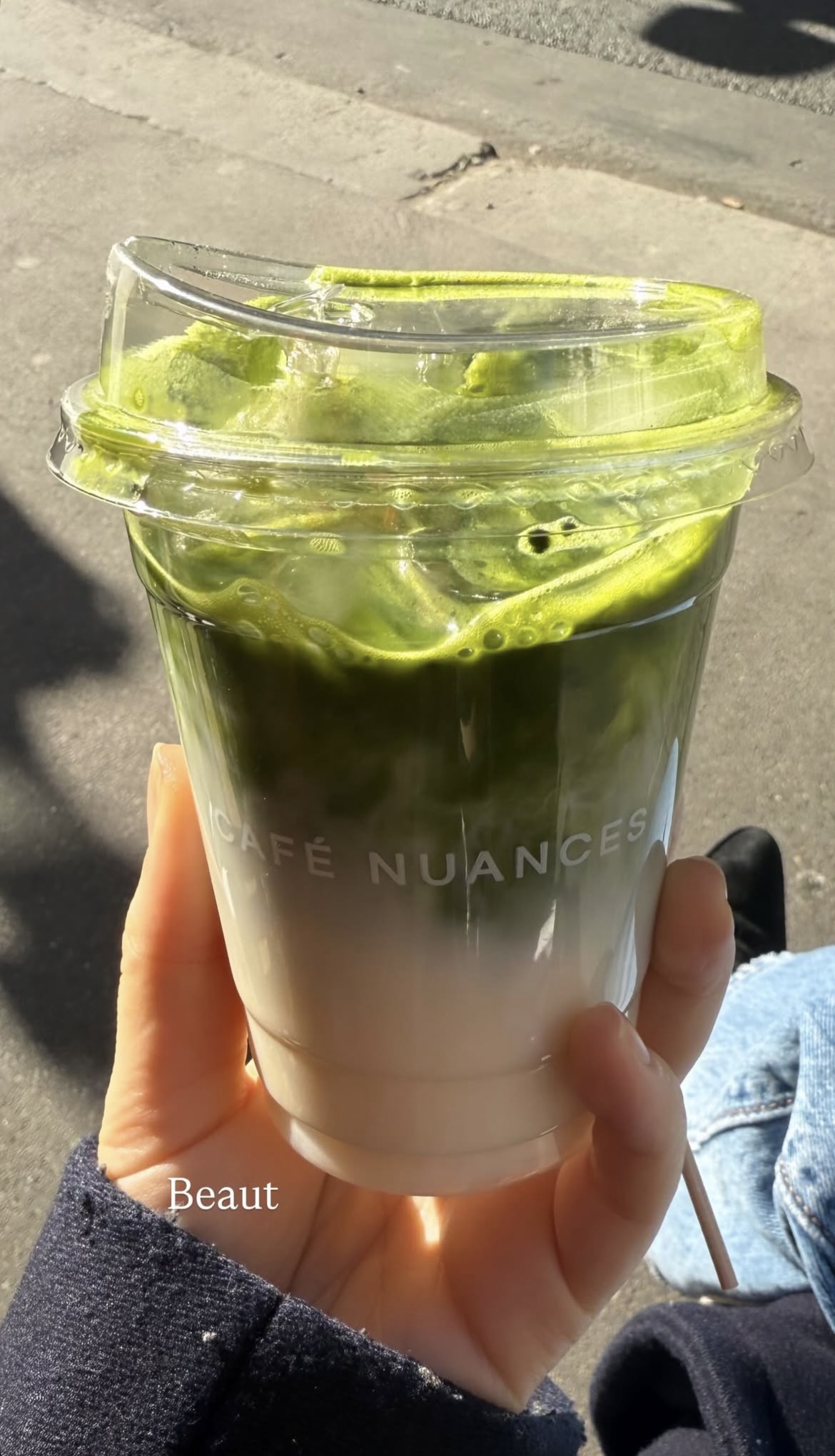
Although matcha has not come close to surpassing coffee’s market worth, it is slowly becoming the main act. As more people prioritize steady energy, holistic wellness and mindful habits, this green powder is becoming a lifestyle trend.
So, the next time you reach for your morning brew, you might just find yourself picking green.


