Life of a Fan Girl
Before “fangirl” became a common title, the term “movie-struck” was commonly used in the 1920s. This was when media started to appeal to teenage audiences by casting younger actors to play teens. Storylines followed growing pains, and music embraced the angst felt by a majority of teenagers. It was only natural for teens to be interested in these new forms of media. But this appreciation was quickly deemed immature or a waste of time once girls started to show interest.
Decades later, the trend of deeming something distasteful or inferior because young girls are the ones interested continues. Every type of fan is grouped into one category based on their gender, from casual listeners to diehard fans.
In the past 10 years, the “fangirl” label has been reclaimed, no longer associated solely with negativity. The year 2020 was a turning point for fandoms because the lack of opportunities to leave the house left people with few outlets besides connecting on social media through common interests. Fan and update accounts slowly became a business, keeping track of celebrity news in a more accessible, non-TMZ way. For a short period of time, celebrities became increasingly accessible to fans — moments before TikTok became focused on ad revenue and promotional content, and — people joined the app for fun rather than contractual obligations to boost sales.
The way fans interact with their favorite artists was quickly noticed by record labels and others who profit from popularity. What began as fan-made content, such as fancams created by talented fans, soon began to be used as promotion, including examples like Lionsgate’s TikTok presence. Trend-driven videos are now recreated by celebrities as promotional tools for new songs or projects. What was once an app for casual short-form videos has turned into a direct line of advertising to online followers.
The line between parasocial interaction and direct support has become increasingly blurred. Artificially casual social media presences meant to humanize major artists add to the pressure many fans feel. Fear of missing out, or FOMO, has existed for decades in many contexts, but within fandoms, it is especially prevalent. Fans see how certain merchandise items become rare collectibles years later — such as the pink vinyl pressing of Harry Styles by Harry Styles — while others remain accessible or fade into obscurity.
Larger artists and record labels often use fan FOMO to their advantage by releasing multiple variants of the same album. One example is Taylor Swift, who released almost 30 variants of her album The Life of a Showgirl in less than five months. Each included minor changes such as alternate album covers, vinyl colors, or additional acoustic tracks.
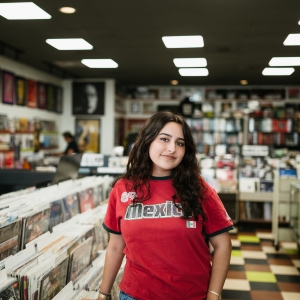
I spoke with a student at AUP to ask how she feels about the trend of releasing multiple variants of the same album.
“I feel like it was cool at first because it made you feel like you had something rare, but that gets really watered down once there are too many variants,” she said. Many fans are collectors, and what starts as a casual album purchase can intensify once variants are introduced. The mental pressure to complete a collection can begin to feel less like a hobby and more like an obligation.
She explained that she has spent the past few years collecting Taylor Swift cardigans that went viral on social media. “I didn’t think she was going to make one for every album, but I feel almost pressured to buy the new one to continue my collection, even though I don’t like bright orange,” she said, referring to The Life of a Showgirl cardigan. She added that she would rather purchase it now than pay resale prices in a few years.
Resellers vs. Fans
It is a battle as old as time, but one that has intensified in recent years. Not only have artists noticed how devoted their fans are — often willing to spend large amounts of money to show support — but resellers have taken note as well.
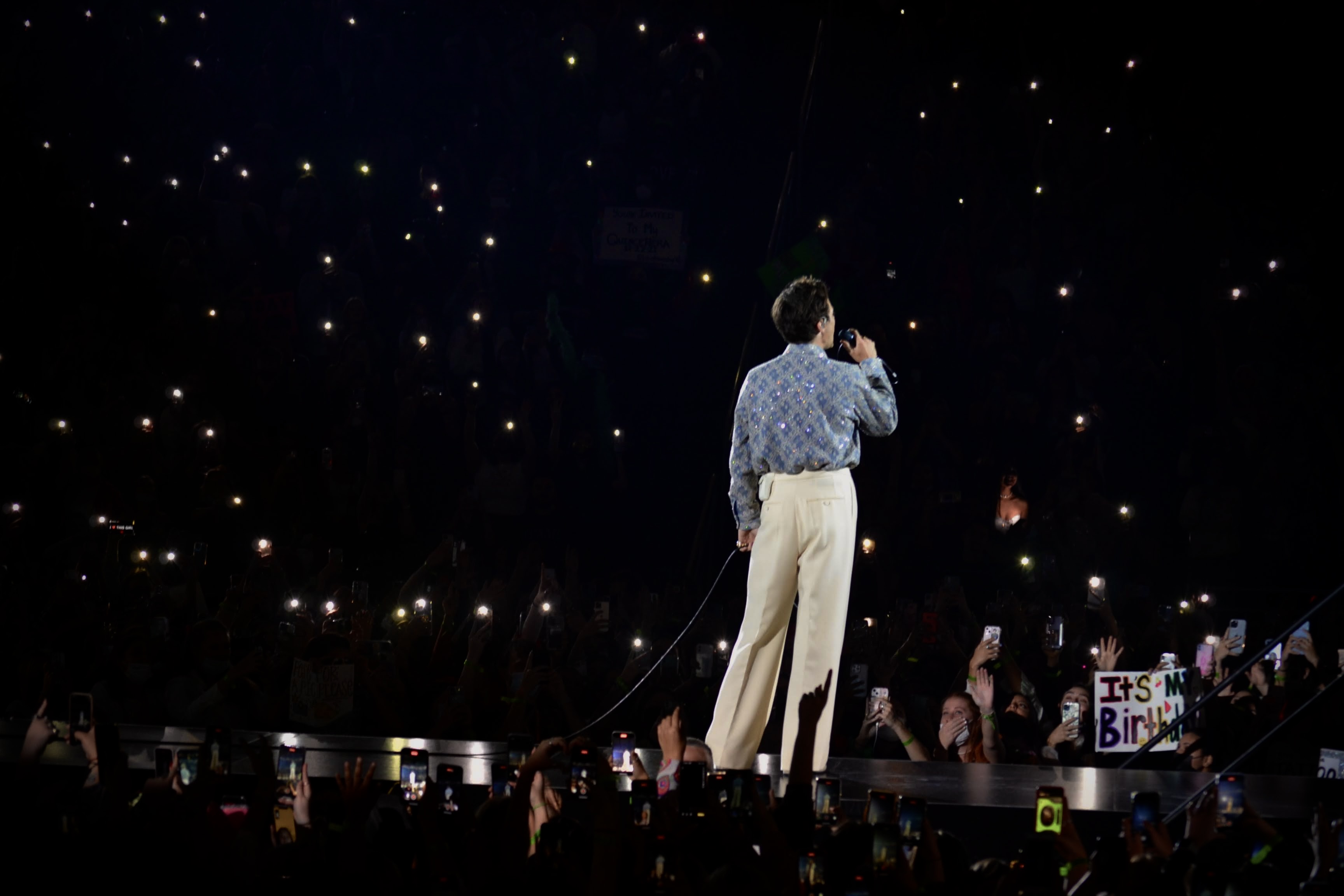
When a popular artist announces a world tour, fans must compete not only with each other for a limited number of tickets but also with bots that automatically purchase tickets to resell them at inflated prices.
Ariana Grande recently announced her first tour in nearly seven years, leading to immediate competition for available tickets. Original prices ranged from $50 to $300, only to be resold for more than $1,000. One fan reportedly spent as much as $2,000 on a resold ticket through StubHub. Ticketing companies such as Ticketmaster have faced criticism for failing to curb these practices, as they often receive a percentage of resale profits.
Some countries, including the Netherlands, have attempted to combat ticket scalping by making resale or ticket transfers illegal, allowing tickets only to be resold to venues at the original price or lower. These policies aim to protect fans and ensure that profits go to event workers rather than anonymous resellers.
Being a fangirl often means navigating systems that attempt to profit from personal interests while budgets strain with each new tour announcement — all while building communities with others who share the same musical passions.