Gen Z and Their Use of Media
When social media first became popular, it was an exciting way for people to connect through photos, stay updated on current events and share jokes and memes. Reaching 1,000 followers felt significant, and building a brand online seemed fresh and original. What was once considered a niche career path has now been normalized and has become a part of everyday life.
Presenting yourself online
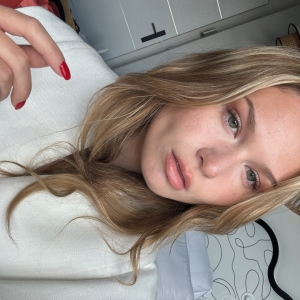
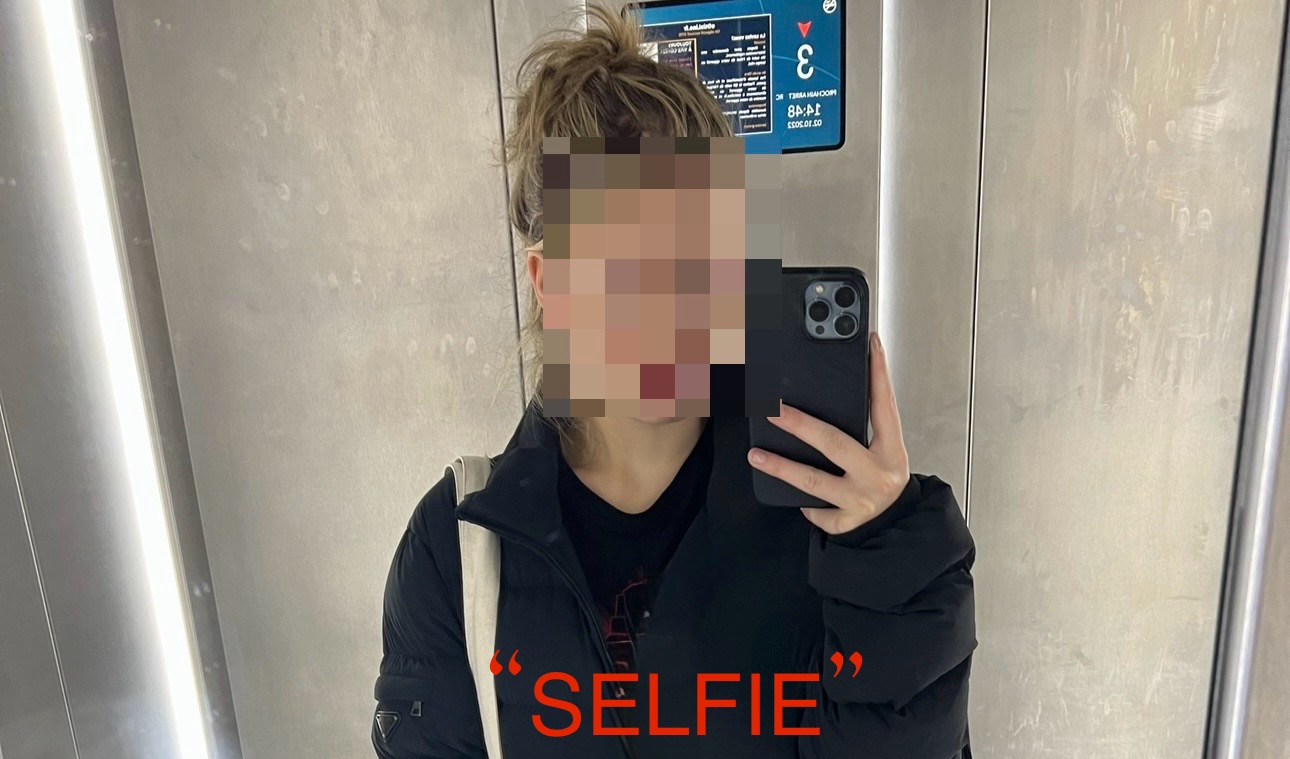
For Gen Z, how we present ourselves online is a huge deal. We curate digital curations, excerpts of our real lives — photo dumps of staged “candid” shots and a perfect caption to accompany. All different ways of forming your chosen aesthetic — whether you’re going for Y2K, clean girl, grunge, heroin chic, Pilates mom, minimalist, maximalist, etc. Even without getting paid or gaining exposure, people put major effort into photoshoots for the “perfect post”.
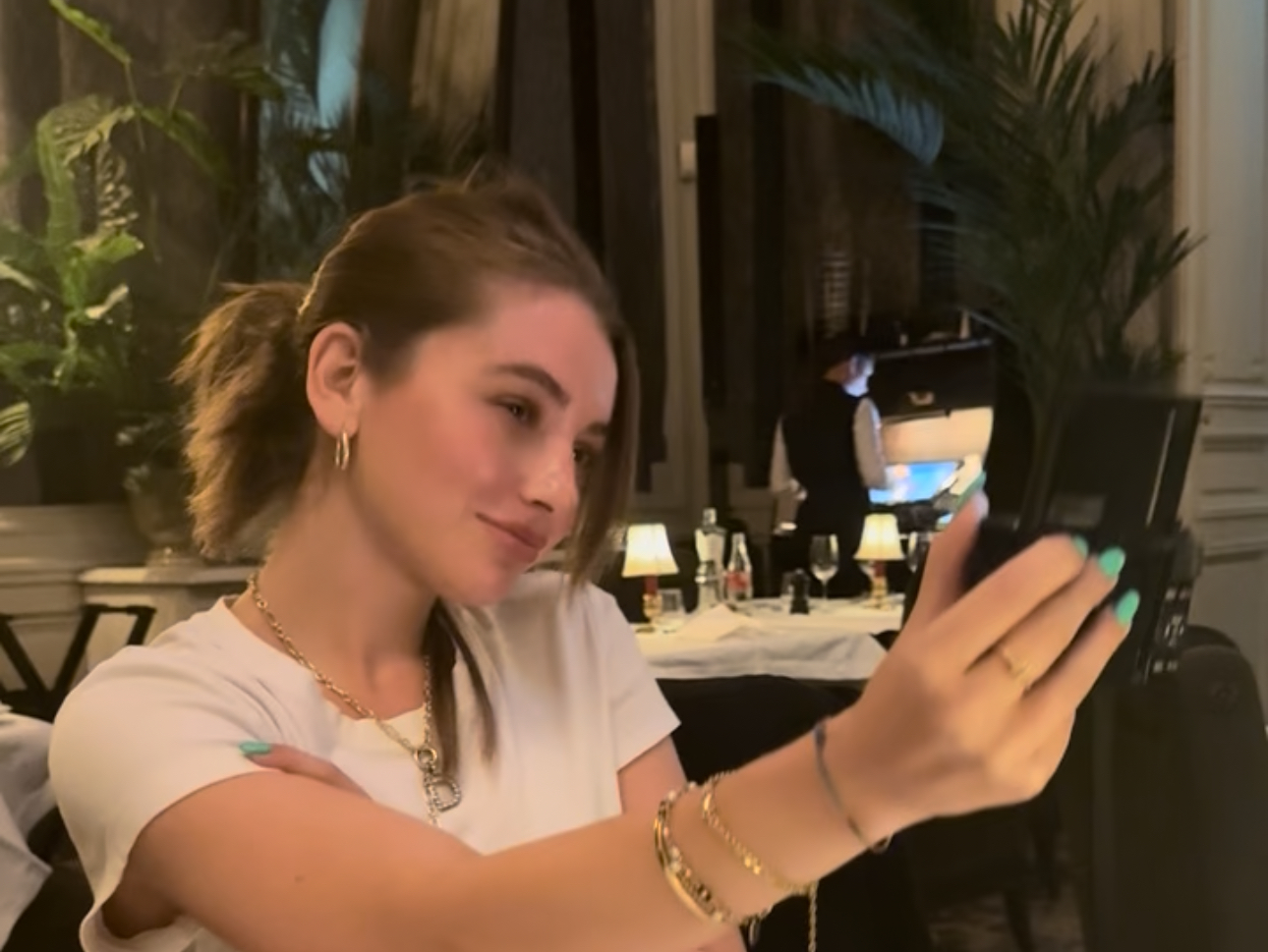
Sophie Smith, an AUP student says “I’ve always loved the creative process behind making videos. It’s about creating something I can look back on later in life. I like the idea of documenting small, ordinary moments. A “day in the life” feels authentic; it captures what my days in Paris genuinely looked like at this point in my life.”
Research shows that scholars Freberg et al, Abidin, De Veirman et al, Ge and Grerzel, Dhanesh and Duthler have come up with multiple definitions for what a social media influencer is. These definitions include being a micro-celebrity, someone who shapes an audience/fanbase through their posts, a tastemaker, and someone who gives their followers updates on their daily lives. Despite all of these definitions being separate, the most popular influencers tend to be a combination of each.
Since many users now emulate influencer behavior, it makes everyone seem like an influencer. The number of random people with thousands of followers these days is insane, to the point where having just a few hundred can actually feel surprising. Almost half, 49.9% of users on Instagram have between 1,000-10,000 followers, with only 26% having less than 1,000.
Sophie is quite active on her socials and has what some could consider to be a large following, but does not consider herself an influencer has around 4,000 followers on Instagram and 11,000 on TikTok. Jaylee Garcia, who does more vlogging content, has 10.8k followers on TikTok, and lastly, Bella Carter has 2,300 followers on Instagram. It was not surprising that the first 3 people I thought of to ask matched the statistics above.
Blowing up and why people want it
No wonder everyone wants in. The pandemic catapulted millions of people online at the same time, and algorithms became more and more aggressive about pushing “anyone can blow up” content. Economic uncertainty made influencing look like a shortcut, a way around traditional career paths that were feeling increasingly unstable. Although all of this sounds great, there are downsides to pay attention to.
Bella, who had a video blow-up on TikTok, reaching Kylie Jenner, leading to a collaboration, says, "Last year, I had a more vulnerable, personal video go viral, and from the response I received, I did feel influenced or obligated to post more about my personal life. But I think since then, I’ve realized I value privacy more, so with this recent viral video, I don’t have that same feeling of wanting to post more to feed into the attention." Since posting can be a bit of a "high", many don't think about the negatives that may stem from it.
As much as people should proceed with caution, interviewee Jaylee brings up the great point of networking; social media really allows all kinds of people to connect, even from faraway places, opening up chances for bigger opportunities. "I’ve recently started doing vox pops, voice of the people, in public, which has allowed me to meet cool people!"
The obsession with posting didn’t come out of nowhere, nor did it come from ego as much as from uncertainty. Gen Z grew up online, essentially absorbing from first memories the idea that visibility equals value; the idea that if something isn’t posted, it might as well not have happened. Social media became a place where identity became flexible, editable and controllable in a way that real life wasn’t. As the various platforms exploded, so did the pressure to turn ourselves into something legible, interesting or at least aesthetically coherent.
Feeds change, trends fade and aesthetics cycle every six months, but the instinct behind all of it stays the same: Wanting to be seen, remembered or at least understood for a moment. Maybe that’s why Gen Z posts so much. Not because they’re desperate for fame, but because little bits of their lives feel worth saving somewhere, even if it’s just on a screen.