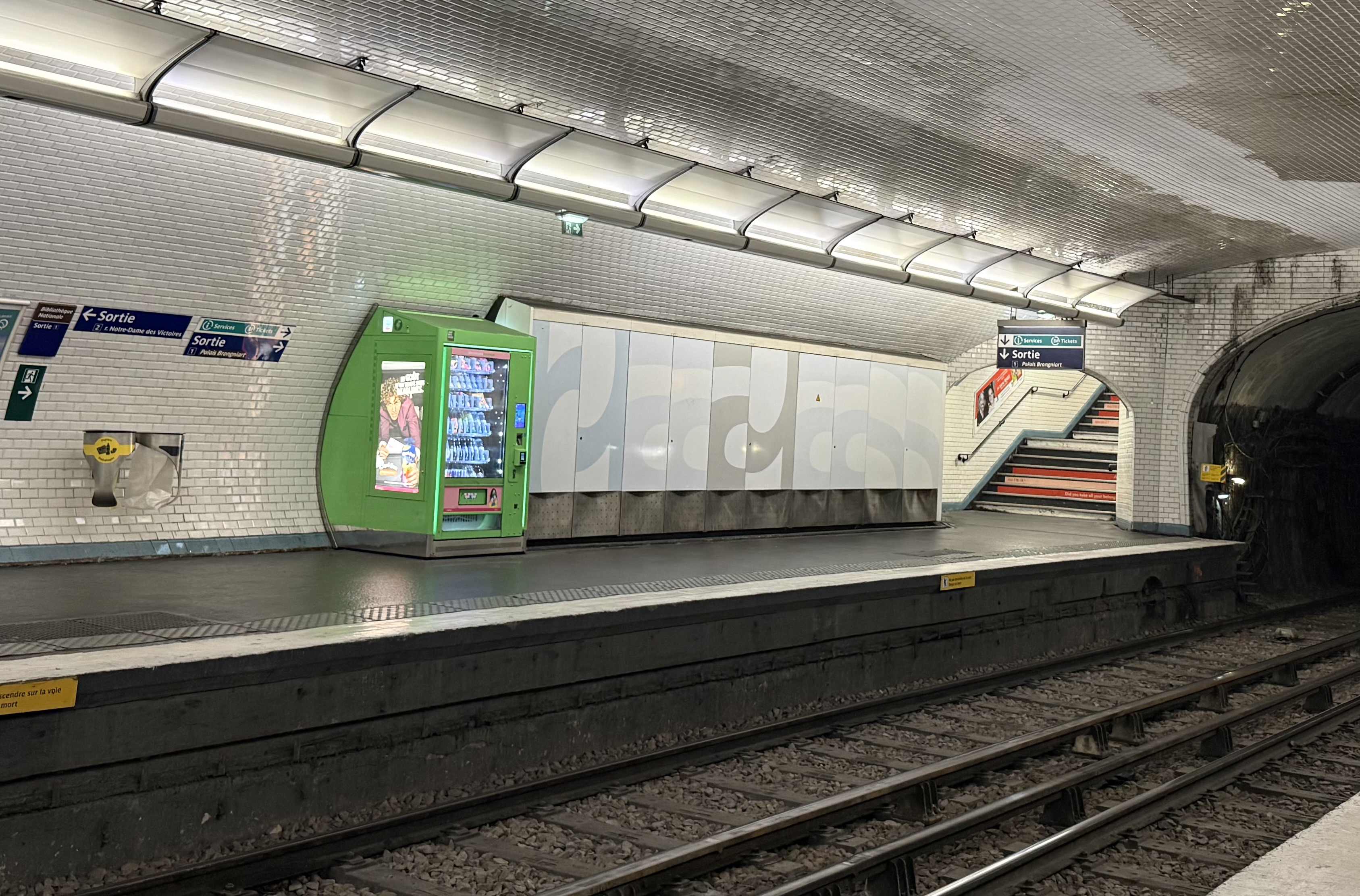
Confessional Horrors from the Underground
There is something about the Paris metro that humbles even the most confident commuter. On the surface, it looks simple with numbered lines and color-coded routes. But step underground, and suddenly logic disappears. The signs multiply, the tunnels curve in ways that feel mathematically impossible, and the air gets that unmistakable mix of dust, humidity and regret.
Everyone who lives here has their metro story. Some are funny, some tragic, most are just confusing.
Getting lost and found (and lost again)
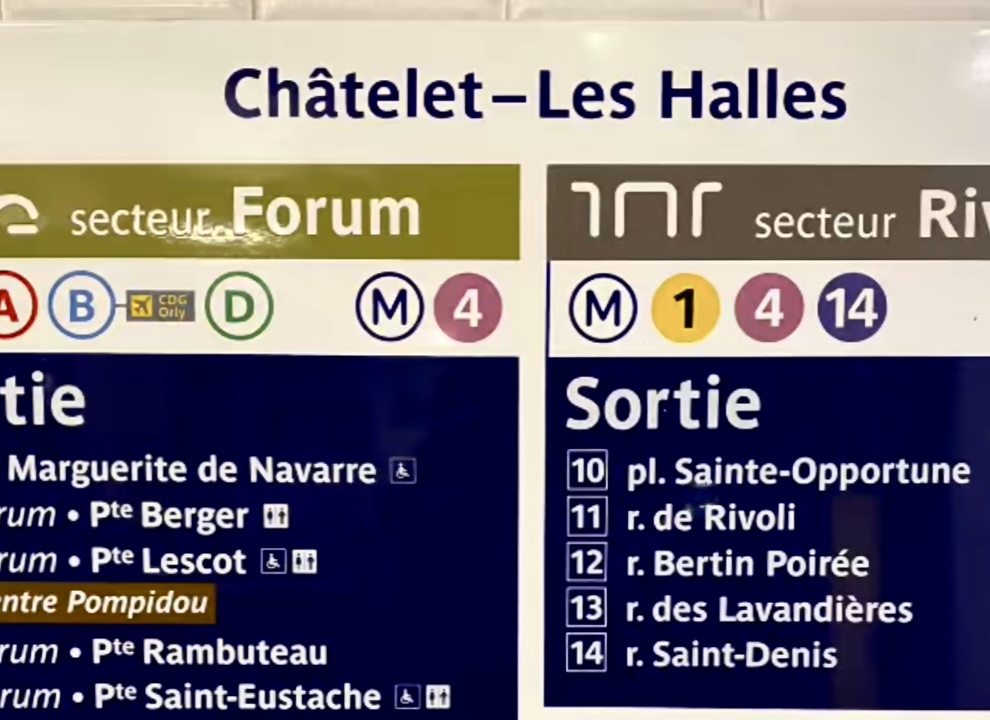
Take Châtelet for example: a place less like a station and more like a social experiment. One student (me) once spent twenty minutes trying to find the exit, climbing escalator after escalator until finally giving up, reboarding the train, and getting off at the next stop instead.
Or the classic transfer tragedy: following every sign from Line 8 to Line 10, double-checking every map, and somehow ending up back on Line 8 but in the opposite direction.
Paris: 2, Commuters: 0.
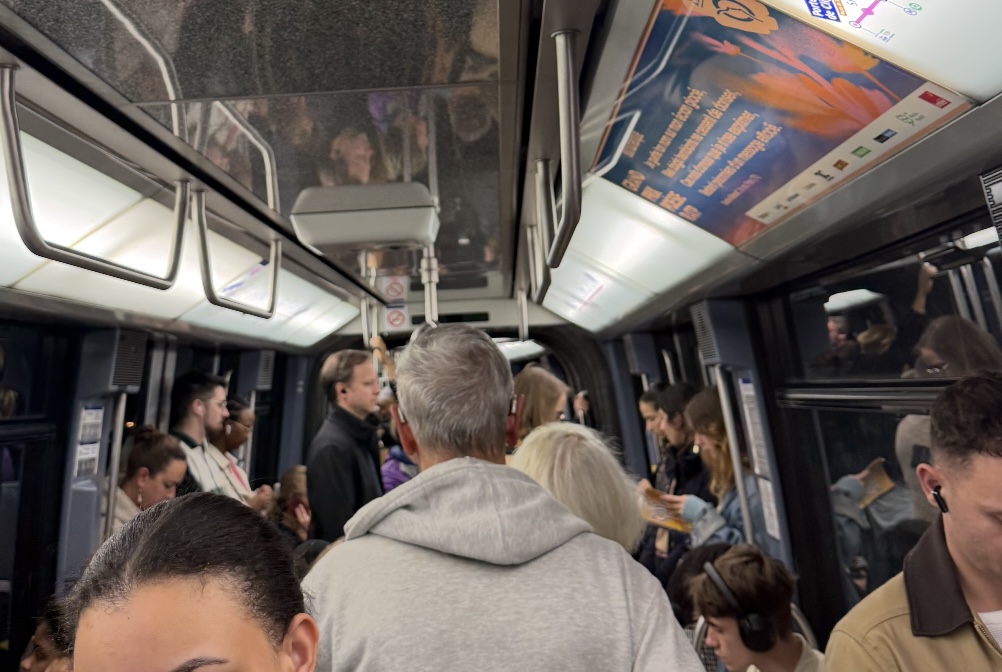
Then there is Line 8 and Line 13, the metro's unofficial rite of passage. Both laugh in the face of personal space. Doors open and everyone surges forward like they are competing for concert tickets. Air circulation is a fantasy, and by the third stop, you are closer to your fellow passengers than to most people in your life.
The deeper you go into the system, the stranger it becomes. At République, every corridor feels like a test of endurance. At Montparnasse-Bienvenüe, there is a travelator so long it feels like a spiritual journey. Some stations are beautiful with tiled Art Deco masterpieces while others smell faintly of forgotten dreams and something that might be cheese.
The metro also reveals Paris at its most human. There is always someone unwrapping a sandwich mid-ride, a musician filling the tunnels with familiar notes, and the quiet rhythm of a city moving together underground.
A collective kind of chaos
At least getting lost has its charm. The real horror begins when the metro stops.
Every student who has lived here long enough has survived at least one mid-tunnel breakdown. You are trapped between stations, someone sighs dramatically in French, and the lights dim just enough to make you question your life choices. The intercom crackles something unintelligible, and everyone looks at each other with quiet panic, except for the Parisians, who do not even flinch.
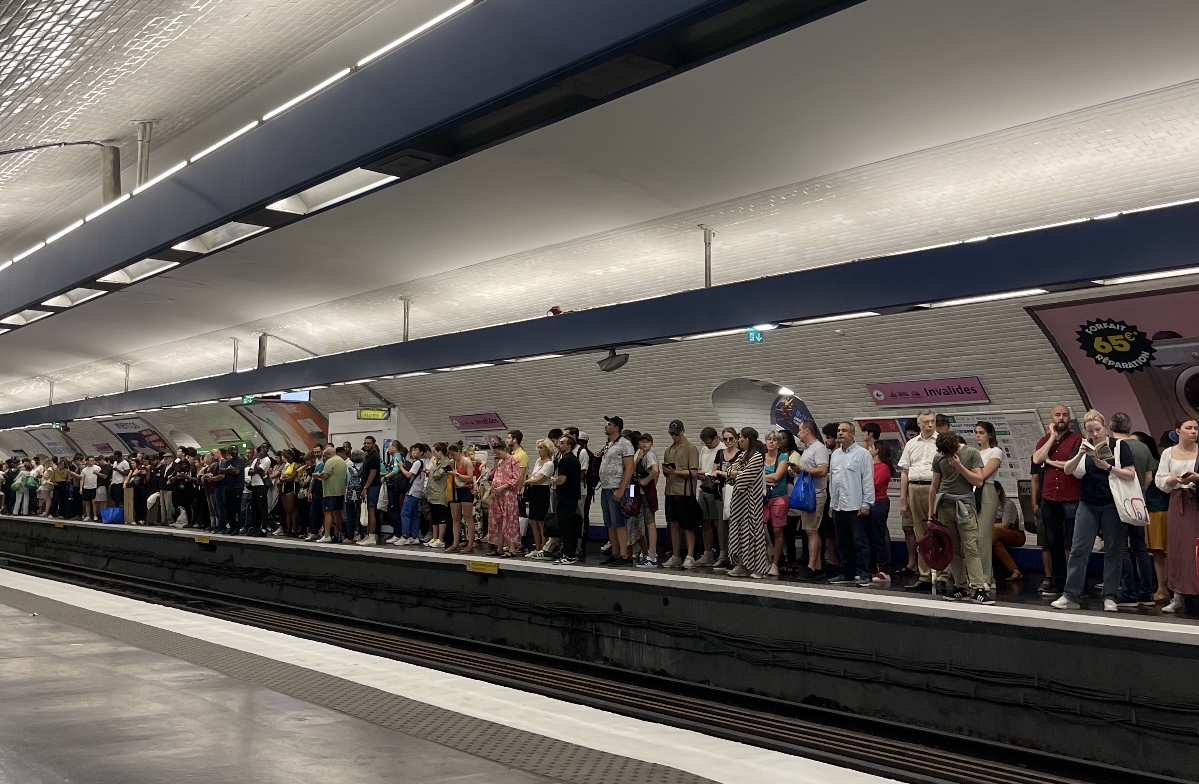
Then there are the strikes. One day, Line 6 is closed, the next, Line 12 joins in solidarity. You walk an extra twenty minutes and tell yourself it is "for the steps," even though it is raining sideways.
Summer only adds another layer of suffering. The heat turns the metro into a moving sauna scented with "eau de collective exhausion." The metallic seats burn, the tunnels feel endless, and deodorant becomes an act of community service. You begin to understand why everyone says Parisians are moody. They are just overheated.
And yet, despite all the delays, the wrong turns, and the mysterious smells, there is something oddly unifying about the experience. The metro is where Paris drops its pretenses. Everyone, from the impeccably dressed woman clutching a Dior tote to the student carrying a baguette in their backpack, stands shoulder to shoulder, staring blankly at the same route map.
There is a rhythm to it. A choreography. A kind of unspoken etiquette. Move fast, hold your bag close, avoid eye contact but always help someone with a stroller.
It is chaotic, claustrophobic and occasionally apocalyptic. But it is also the heartbeat of the city.
Paris teaches you many things: patience, style, resilience. But the metro? That is where you learn humility (and possibly the limits of your deodorant).
How to keep your cool below ground
There may be no true way to master the Paris metro, but a few tricks can help you pretend you have.
Follow the locals, not the signs. They somehow always know the shortest route, even when it looks like they are heading into a service tunnel.
Download Citymapper. It is the closest thing to divine intervention when you miss a transfer or end up on Line 8 for the third time.
Stand on the right, walk on the left. Nothing unites Parisians faster than someone blocking an escalator.
Carry deodorant in summer. Enough said.
Accept defeat gracefully. Sometimes it is faster to walk. Sometimes it is faster to give up.
In the end, surviving the metro is not about avoiding chaos, it is about learning to move with it.