After the Last Race
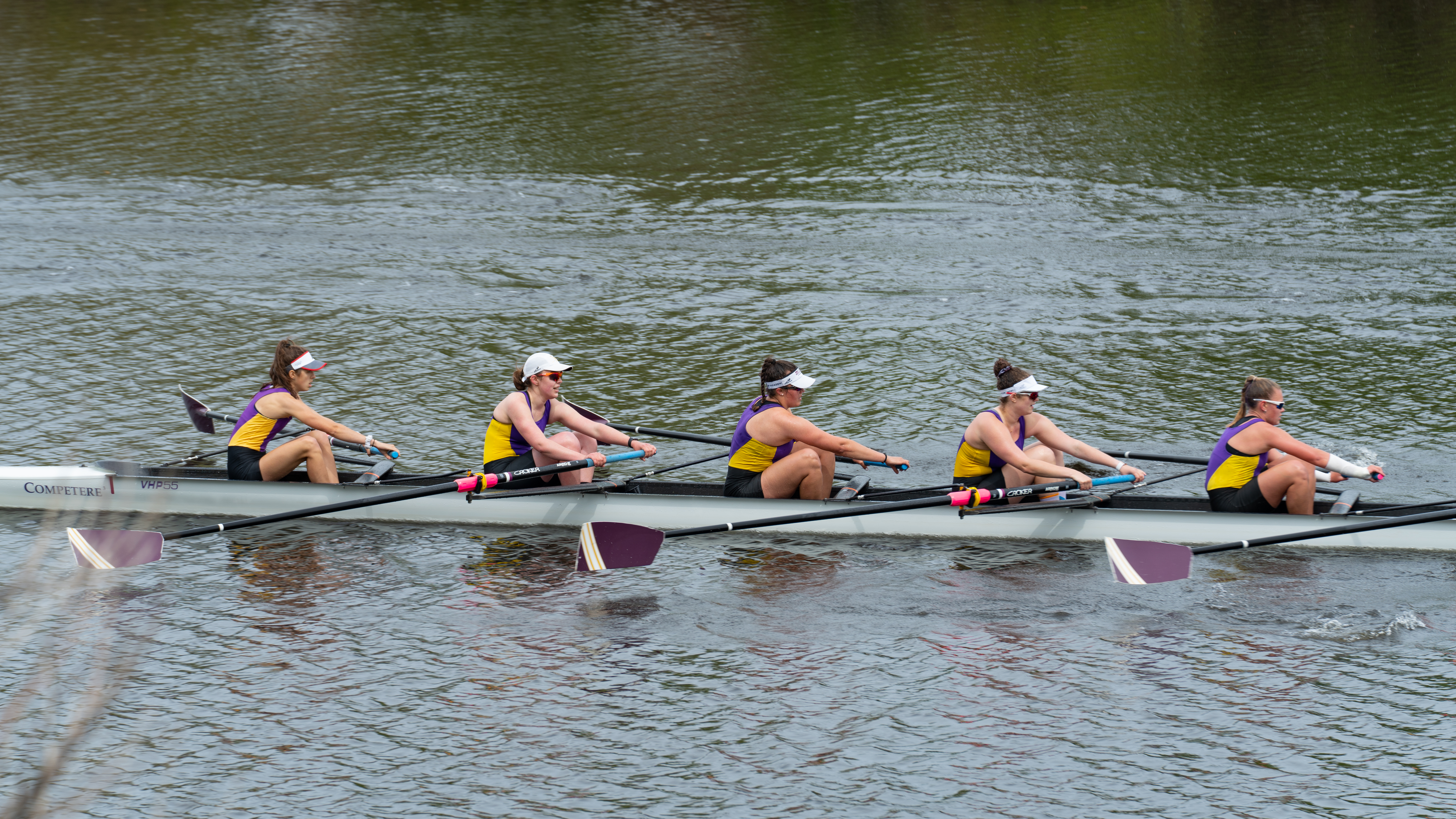
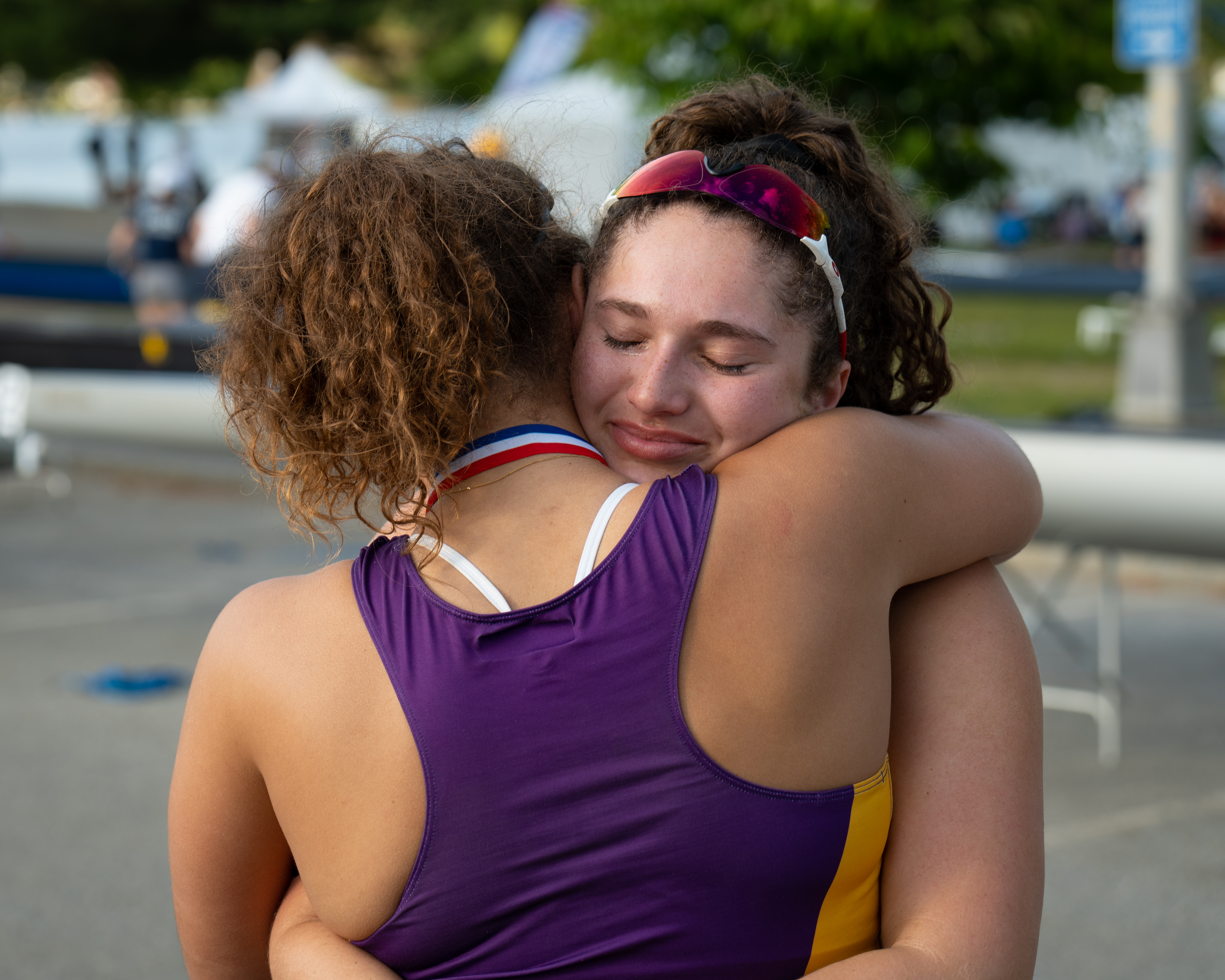
The moment I crossed the finish line of my last race in my senior year of college, I immediately burst into tears. My rowing career was officially over. A chapter that had spanned the last seven years of my life had finally come to an end.
Love at First Stroke
I first started rowing when I was fifteen years old. A sophomore in high school, I had been a competitive swimmer for eight years before needing to stop due to a debilitating shoulder injury and I was devastated. Swimming had been the most important part of my life for so long, and suddenly, it was over.
A college friend of my mom's was the first to suggest that I start rowing. As a teenager who was almost six feet tall, she told me that I was perfect for the sport. Looking for a new activity to fill my time, I figured I had nothing to lose so I might as well give it a try.
A few months after the end of my swimming career, I sat in a boat for the first time. The feeling of the wind blowing in my face and splashes of water hitting my shins was like nothing I had ever felt before. There were eight other people sitting in the boat with me, all of us testing out the water for the first time. The oar sat awkwardly in my hands, gently slapping against the water every time we passed over a wave. There was a knot in my stomach as I clenched my core, hoping that small action would keep me upright in the boat and save me from tumbling into the river below me.
From the motorboat at my side, the coach used her megaphone to call out, instructing us on how to take our first strokes. Immediately, the boat started tipping side to side, as half of us drew our legs up and rushed to the pulling position too quickly, clumsily throwing our oars into the water at different times, slamming our feet into the footplates in an attempt to get moving.
We did not move very fast, but when we pulled into the dock at the end of practice, I knew that I would be coming back for more.
Three years later, I accepted an official recruitment offer to row competitively at Williams College in Massachusetts.
In college, I quickly got used to my team's grueling schedule of eight to nine practices a week, morning and afternoon. My weekends were spent at regattas (crew competitions), and when I wasn't in a boat or at the gym, I was fitting in study sessions with classmates or writing papers on the bus rides to and from the lake.
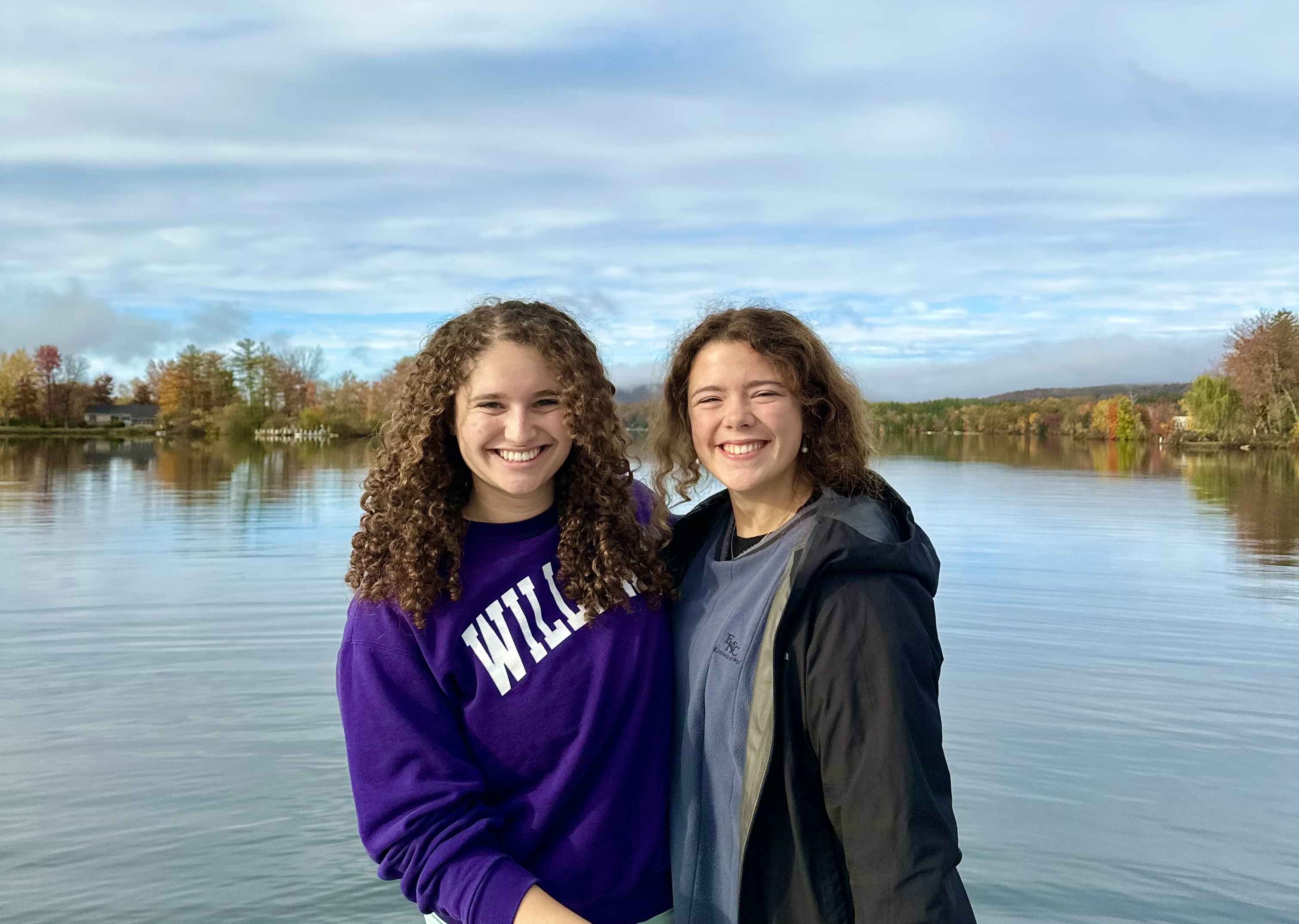
For four years, my team was my family. We would spend at least thirty hours together each week, singing hype songs on the way to races, braiding each other's hair, and wrapping each other's injuries. During my senior year, I even lived in a house with seven other members of the crew team.
My teammates were the only other people who understood what I was going through as a student-athlete, trying to balance time between my sport and my academics. They understood the pain of having an injury and needing to take time off from competition, or having to choose between going to a party and getting a good night's sleep before a 6 a.m. race.
I always knew that I could depend on my teammates on and off the water, and to this day they are still some of my closest friends.
The day of my last college race was bittersweet. I was distraught at the idea of having to leave my team, and anxious about my impending graduation which was only a few weeks away. Yet at the same time, there was a part of me that was relieved to be done with it. My body was tired. I was still recovering from a multitude of rib and shoulder injuries, quite literally being held together by athletic tape to ensure I wouldn't fall apart during the competition. After seven years of competing in rowing, I felt that maybe I was finally ready end my student-athlete career.
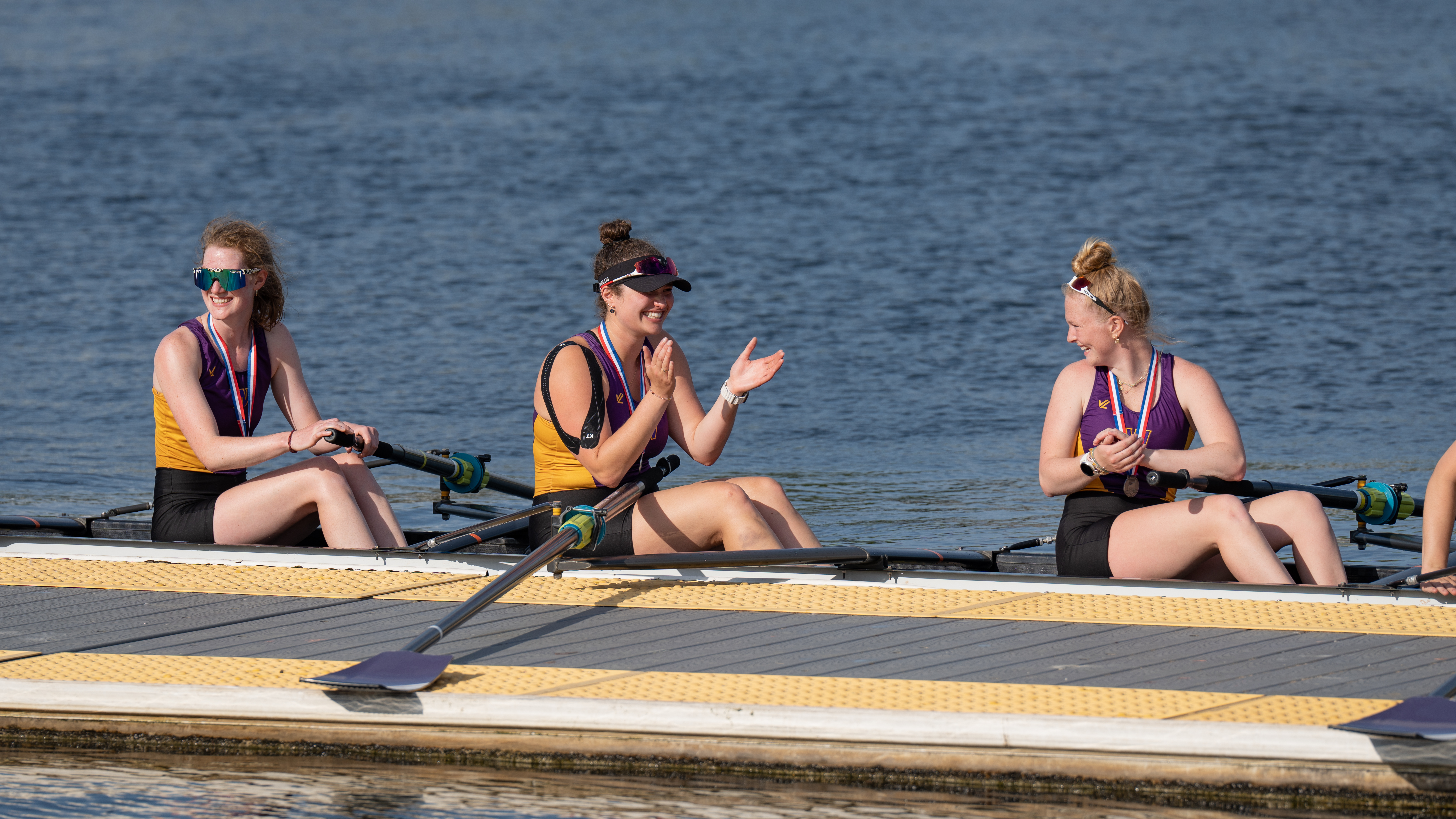
When I crossed the finish line after that last race, I immediately burst into tears, but I also had the biggest smile on my face. We won second place.
My rib was throbbing with pain as I reached my hands forward to high-five the girl sitting in front of me then repeated the action with the girl sitting behind me. I could see my parents and my teammates cheering us on from the shore.
I was done with college rowing forever.
Moving On
It's been two years since I graduated from college and stopped rowing, but sometimes I'll still catch myself feeling along the palms of my hands for any traces of the lingering blisters that I was so used to accumulating. Other times, I'll take a deep breath and realize the pain in my rib that I had grown accustomed to is no longer there, and I will feel a slight sense of relief. Yet I still feel an even more palpable longing for a time in my past that I know I will never get back.
After graduation I moved to France to teach English, then I moved back to my hometown in New York City to work in marketing. And now, I am back to being a student, but this time it feels so different.
Since I was seven years old, I had always been part of a sports team. Now, there is a part of me that feels lost.
How can I find ways to fill my time, when for years, I had a built-in practice schedule to do it for me? How can I motivate to go to the gym or participate in a workout class when I don't have forty other strong women whom I know I can depend on to be there with me when I go?
Who am I without my sport?
Where Do We Go From Here?
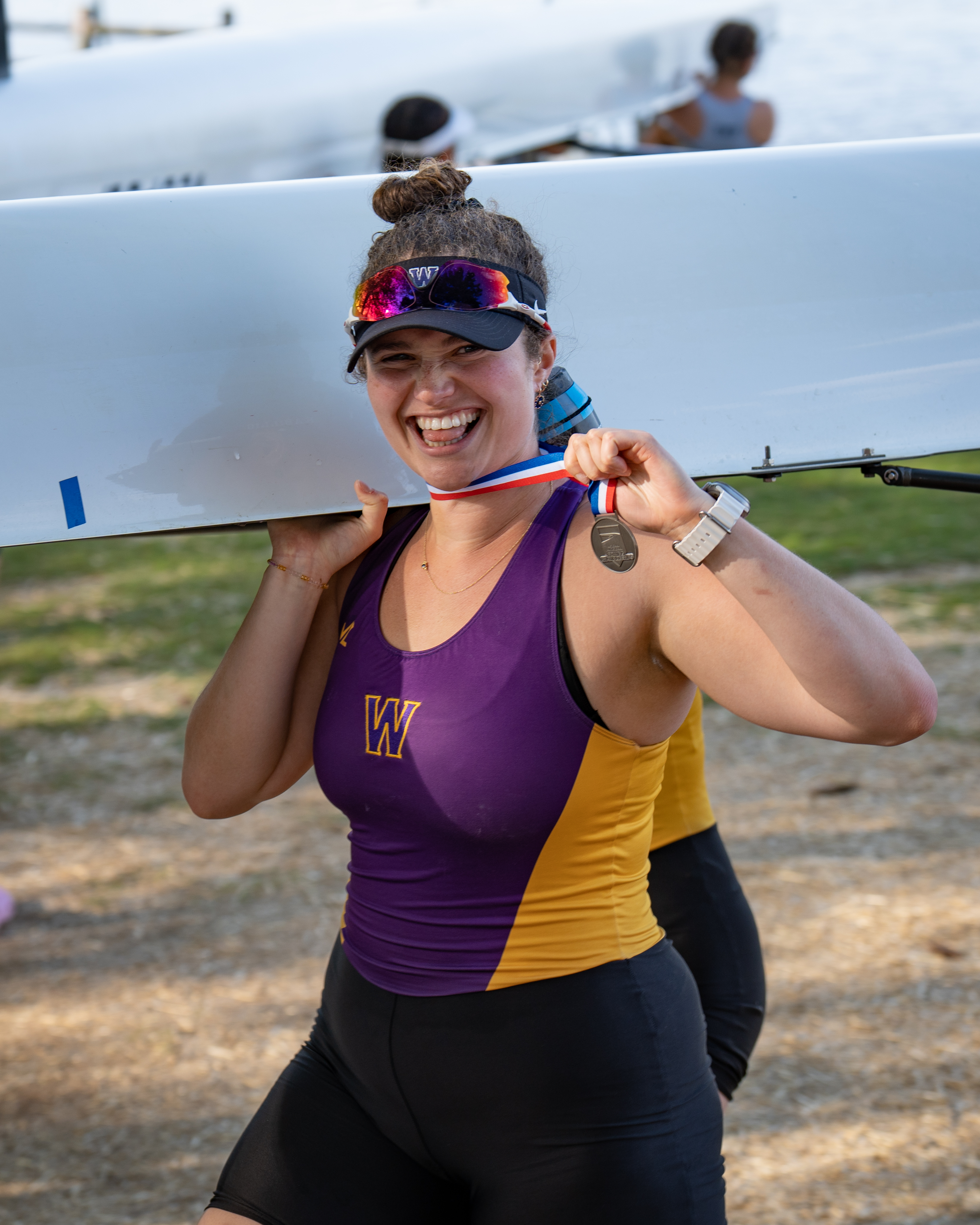
To help try and make sense of my new status as a "retired athlete," I talked to some other former athletes at AUP to see how they have coped with finishing their sports, and where they have found meaning in other parts of their lives.
"It took up all of my time," said Alisia, a master's student who played basketball, volleyball, and ran track in high school. "I would go straight from school to practice, every single day. Tournaments on the weekend."
Having competed in sports since she was in middle school, Alisia decided to stop playing volleyball when she started college in order to focus on her studies. Despite this, "sports stuck with me throughout my entire life... I never stopped being active, and it gave me that lifestyle which framed the way I live today."
When I asked what her favorite part of playing a sport was, Alisia said it was her team. "You build a bond of trust and understanding," she explained. "It's a really familial connection."
We then went on to talk about what it was like to end her athletic career. We both reminisced about missing our teammates and the bonds we had created while competing with them. "I went home and didn't know what to do with myself after class," she admitted.
Alisia is now a yoga instructor. Through the studios she goes to and the lessons she teaches, she has been able to find a new sense of community and belonging. At the end of our talk, she left me with these words of wisdom: "No matter where you go, if you find your practice, you'll find your people."
I also talked to Jacob, another master's student at AUP who rowed in college. Like me, he talked about the difficulties he has had trying to find the same sense of community that he had while being part of a crew team. "It's still really hard to replicate the same dynamics that you have during the sport. Part of how I've tried to find meaning is just doing some of the things I didn't have time to do before when I was rowing," he told me. "I have time to read, to cook, to go on a long walk."
Having a lot of extra free time is something I'm still trying to get used to. Like Jacob, I've found that I can enjoy some of the things I didn't have time to do while I was rowing. I'm reading a lot more, watching T.V. series I always wanted to see, and I'm joining clubs that I always wanted to be a part of when I was an undergrad.
I am grateful for all of the values and the discipline that rowing has taught me, and it has been validating to see that I can still carry everything that I learned with me and apply it to this new stage of my life. But every once in a while, I still feel a strong urge to put on my uniform and get back in a boat.
"I feel like an addict with the amount that I feel the need to row again," Jacob told me at the end of our call.
Don't worry, Jacob, I feel that way too. Maybe I'll see you back on the water.