Broken Powerlines and Unbroken People
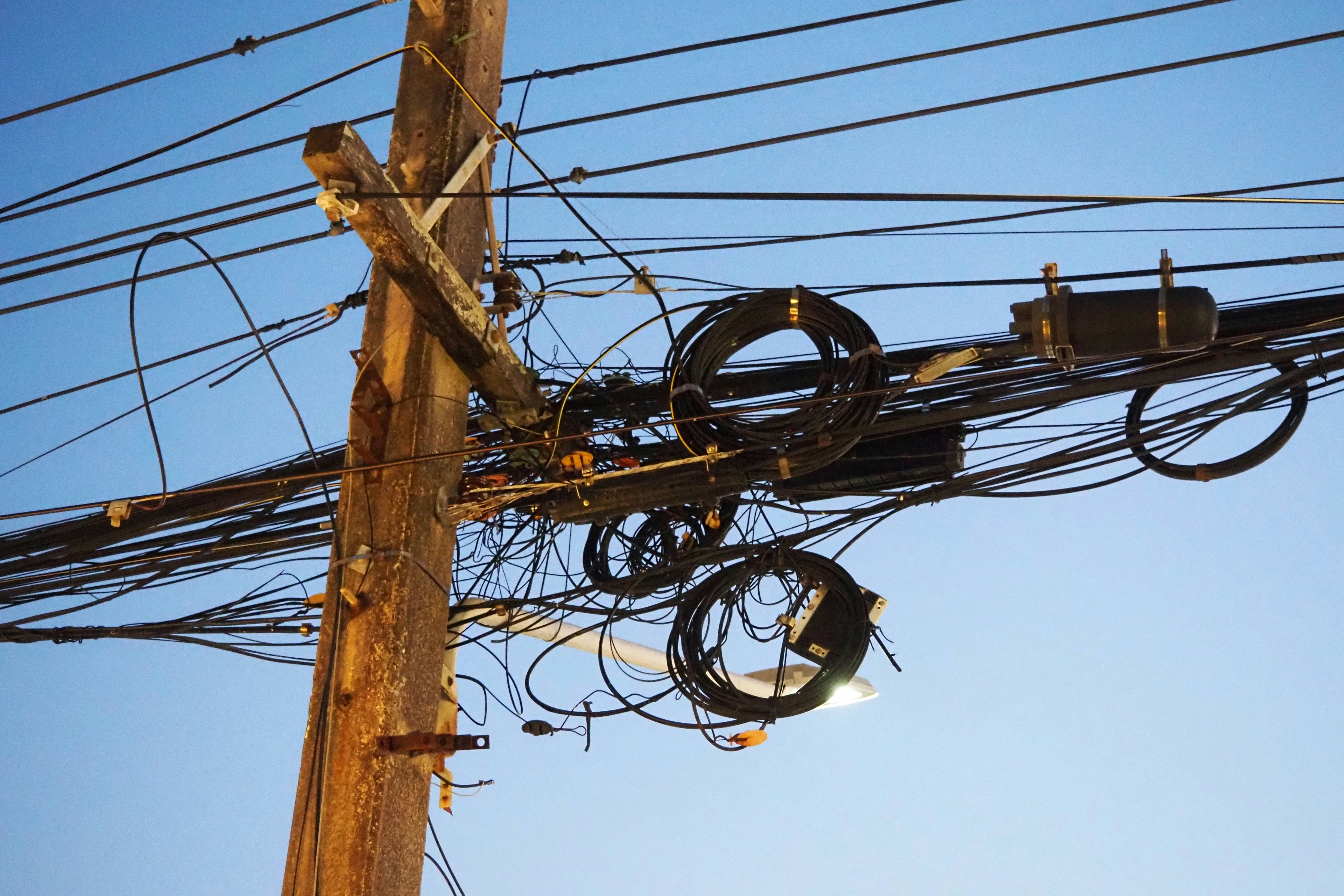
It's no secret that Bad Bunny's halftime show was filled to the brim with nods to Puerto Rican culture, from old men playing dominoes in sugar cane fields to teenagers drinking coconuts at a “coco frío” stand. But there was one reference that caught quite a bit of attention: the performance of his song “El Apagón,” which he sang atop broken power lines. This is not solely because of its unique aesthetic and Bad Bunny's incredible musical talent, but also because of the political implications of what it represents for Puerto Rico.
The Message in between the Lines
His song “El Apagón,” which translates to “the power outage” or “the blackout” in English, is about Puerto Rican culture, music, and people, but it is also a testament to the gentrification and frequent blackouts the territory has faced for over a decade. Though the Super Bowl is far from the first time Bad Bunny has spoken out about this—in fact, he has been known to comment on power grid failures and the LUMA Energy company before and during performances at previous concerts and events. Even more, the music video released for “El Apagón” in 2022 was less a music video than a 23-minute documentary about the issues Puerto Rico faces, highlighting the power outages specifically.
In 2017, Hurricane Maria, a Category 5 hurricane, devastated the territory, destroying the power grid and leaving residents without electricity for weeks; it took months before power returned for all residents. But unfortunately for Puerto Rican citizens, things have not improved.
In 2021, LUMA Energy signed a 15-year contract with Puerto Rico to manage and operate energy distribution across the island. This energy privatization has failed to deliver reliable electricity to millions of customers. Despite billions of federal recovery dollars and post-hurricane repairs, Puerto Rico’s 3.2 million residents continue to suffer from widespread disruptions, electrical surges, and rising electricity rates—even on sunny days.
According to federal reports, Puerto Rico experienced an average of 27 hours of power grid interruptions not related to large events such as hurricanes per year between 2021 and 2024. By contrast, people living on the U.S. mainland lost power for an average of just two hours per year.
Sadly, the current administration has seemingly become disinterested in effectively helping Puerto Ricans. In January, the Department of Energy canceled $450 million for grid resilience programs in Puerto Rico, Latitude Media recently reported. The redaction marks the end of the $1 billion Puerto Rico Energy Resilience Fund, which the Biden administration established in 2023 to help keep people’s lights on, schools open, hospitals open, and supermarkets running. The current President Donald Trump’s Department of Energy has redirected $365 million of that funding—originally meant for rooftop solar and battery storage projects—toward “practical fixes and emergency activities.”
The Ode to a People’s Resistance
So in what ways was this injustice represented in Bad Bunny's performance on Super Bowl Sunday? First, Bad Bunny begins by waving the original Puerto Rican flag, featuring the original light blue before the archipelago became a territory and the color was changed to dark blue by the United States. To represent the instability of power, the lights—not only from the broken light poles but from Levi’s Stadium itself—were made to flicker, placing the viewer momentarily in the same mindset of confusion and unrest that Puerto Rican citizens face.
Notably, there were acrobatic dancers dressed in all white, wearing straw hats and swinging around the utility poles. These dancers were meant to symbolize the pride of Puerto Rican people, particularly the jíbaros. The jíbaros are island farmers who wear the traditional pava hat and have risked their lives restoring infrastructure when critical aid has failed to be delivered. The powerful imagery and the passion in Bad Bunny's performance serve as a tribute to Puerto Rico's strength, resilience, and self-reliance.