Paris’ New Wave of CBD Shops
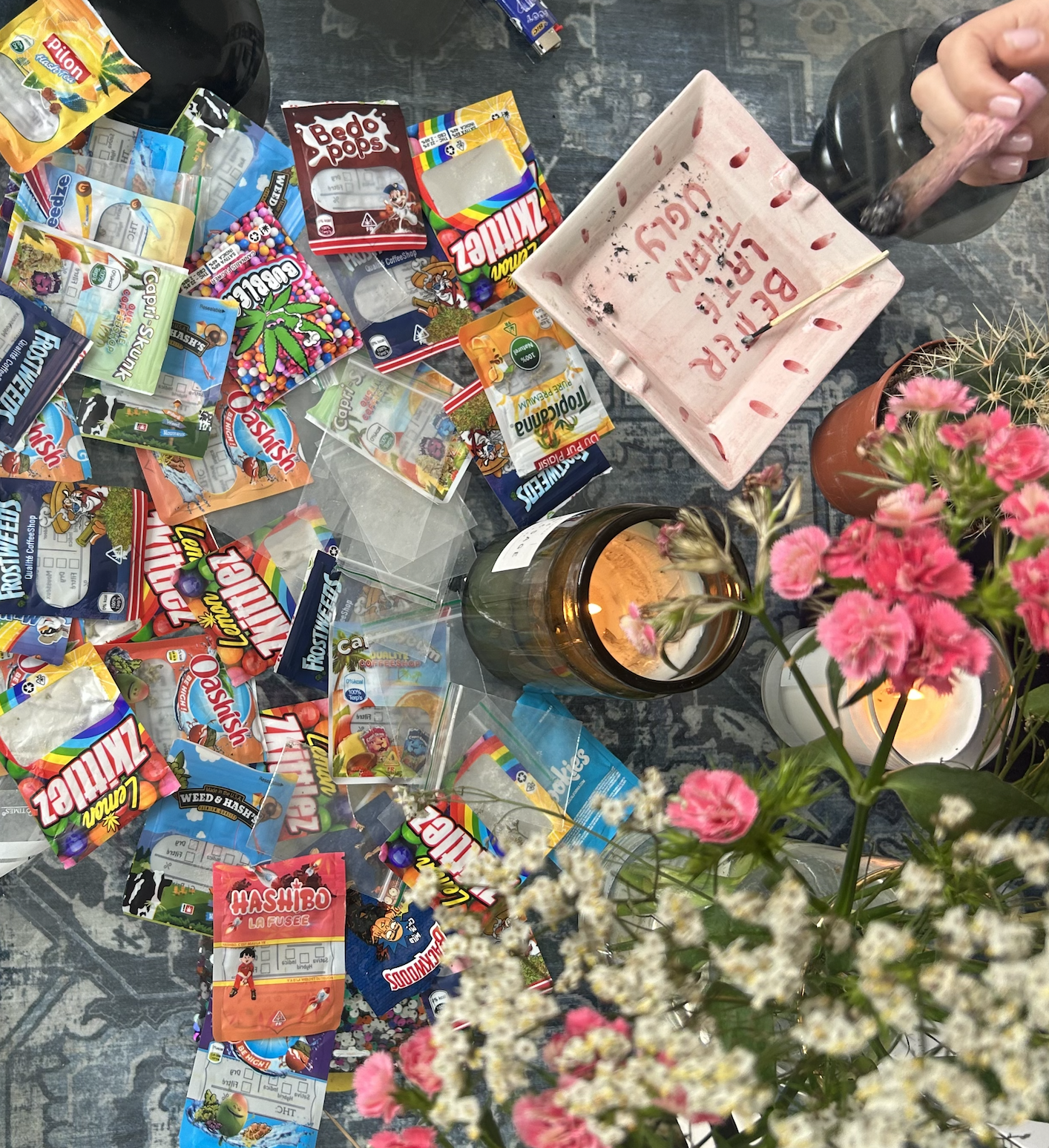
Over the past three years, a quiet but unmistakable retail boom has taken over Paris. CBD shops now line the streets from Belleville to Bastille, from the 15th arrondissement to the Marais. Many sell products that look, smell and in some cases feel strikingly similar to traditional cannabis, minus one crucial detail: They claim to stay below France's legal limit of 0.3% THC.
But with the growth in the CBD market, a second trend began, the sale of products containing new cannabinoids such as HHC, CBN and HHCP. These strains don't appear naturally in the plant, but are synthesized or transformed chemically in labs. Since French regulations focus almost exclusively on THC, these substances entered stores before lawmakers could say anything.
This has raised debate among public health experts, politicians and cannabis advocates as to whether France has inadvertently created a system where naturally occurring cannabis remains illegal, while semi-synthetic substances with psychoactive effects circulate freely.
A Legal Loophole, or a Regulatory Blind Spot?
According to an article by LordofCBD, under French and EU law, hemp products containing less than 0.3% THC can be grown, processed and sold. Non-intoxicating and naturally occurring CBD became the original commercial driver. But HHC and other semi-synthetic cannabinoids soon followed. They can be extracted from hemp, but most of their psychoactive chemicals are synthesized through chemical conversion, so they fall in that gray zone where they are not precisely banned but not entirely tested.
French agencies began to restrict individual molecules only after concerns from toxicologists and rising reports of strong intoxication. But each time one is banned, manufacturers release a new variant that avoids classification.
Students Notice the Trend Too
The expanse of CBD and HHC shops hasn't gone unnoticed by students. Several students shared mixed feelings about the booming market. “I get why people go to these shops; they’re legal, they’re clean and you don’t have to deal with the street,” said Jack Griffin, a junior at AUP. “But I don’t love that half the stuff they sell is basically synthetic. It feels like we’re being pushed away from natural things toward chemicals that could be worse for you.”
Others say that the shops have become a normalized part of city life. “At this point, I see a CBD shop every other block, and honestly, most people my age don't even know what cannabinoids like HHC really are; we just know they get you high and they're sold legally. That's the weird part,” said Issy King, a communications student at AUP.
Some questioned the logic in keeping THC illegal while allowing newer molecules to circulate. “THC is the one that’s been around forever, and it’s the one that’s banned, but these new things we’ve barely heard of are totally fine to sell. It makes no sense to me,” said Jackie L, a senior at AUP.
What Do Consumers Actually Know?
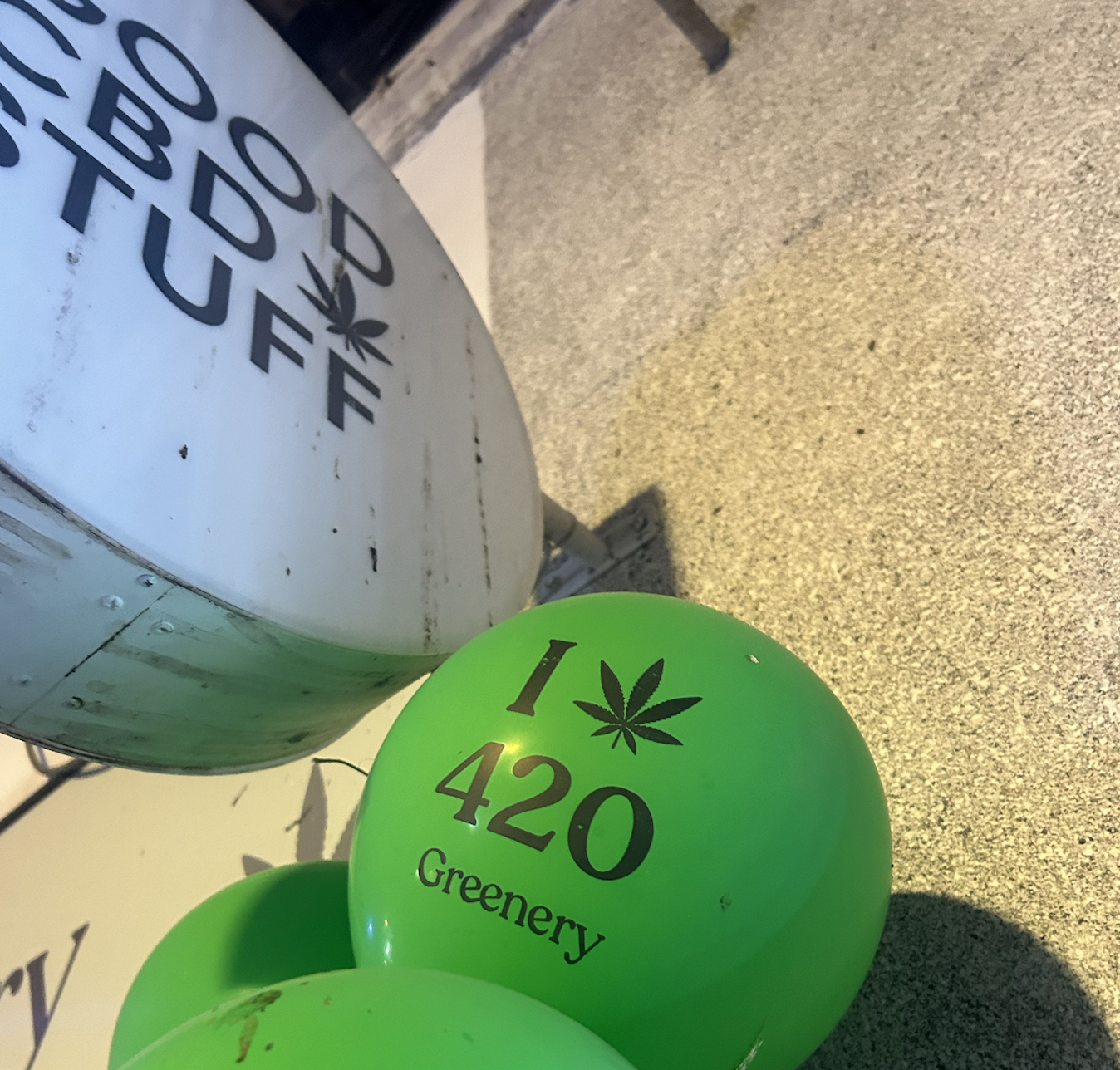
Around Paris, customers often say they walk into CBD shops expecting natural hemp products, not semi-synthetic cannabinoids. Some choose CBD stores because they are legal, visible and appear safer than the illicit THC market. Yet many of the new compounds have limited toxicology data, no standardized dosage guidelines, chemical production processes that vary widely and minimal oversight of purity or contamination.
Researchers at the National Library of Medicine underline that neither natural cannabinoids nor semi-synthetics are automatically safe or unsafe. But the speed at which new molecules reach the market makes it hard to keep testing and regulations consistent.
Why is natural THC still illegal?
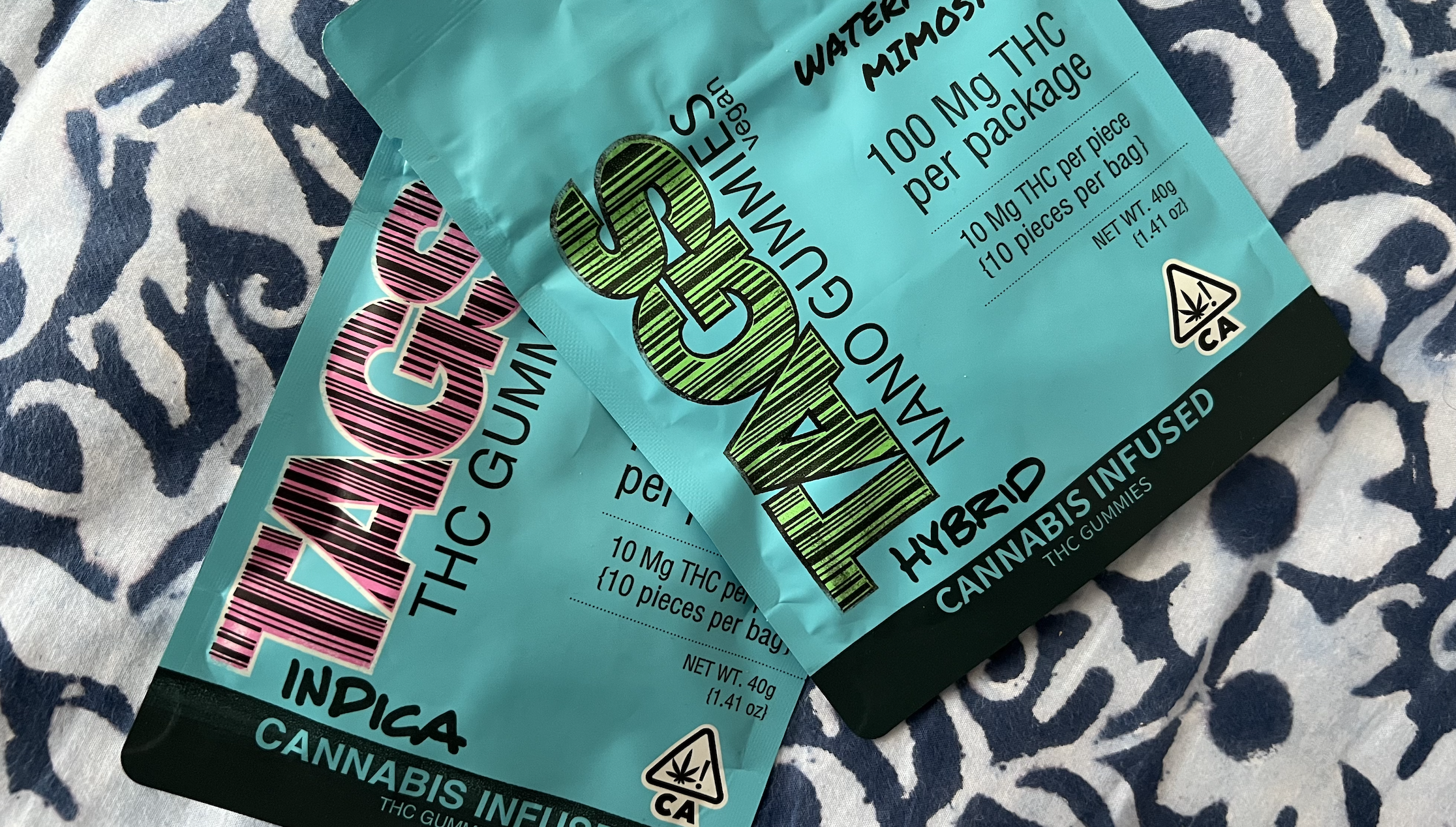
Advocates for cannabis reform argue that the current system creates contradictions. Natural THC-rich cannabis remains illegal, while modified cannabinoid products of chemical processing can be sold openly.
An industry insider says this pushes consumers toward substances that require more intervention, not less. “People who would prefer regulated, tested natural cannabis end up buying products that are less understood,” explained one CBD shop owner in the 6th arrondissement. “The law unintentionally encourages it.”
The main question still hasn't been addressed: Should naturally occurring cannabis remain prohibited while chemically modified cannabinoids line store shelves? For now, the CBD shops across the city symbolize more than a trend. They reflect a legal system trying and failing to keep up with a rapidly evolving cannabis culture.