
The Fabric of Deception
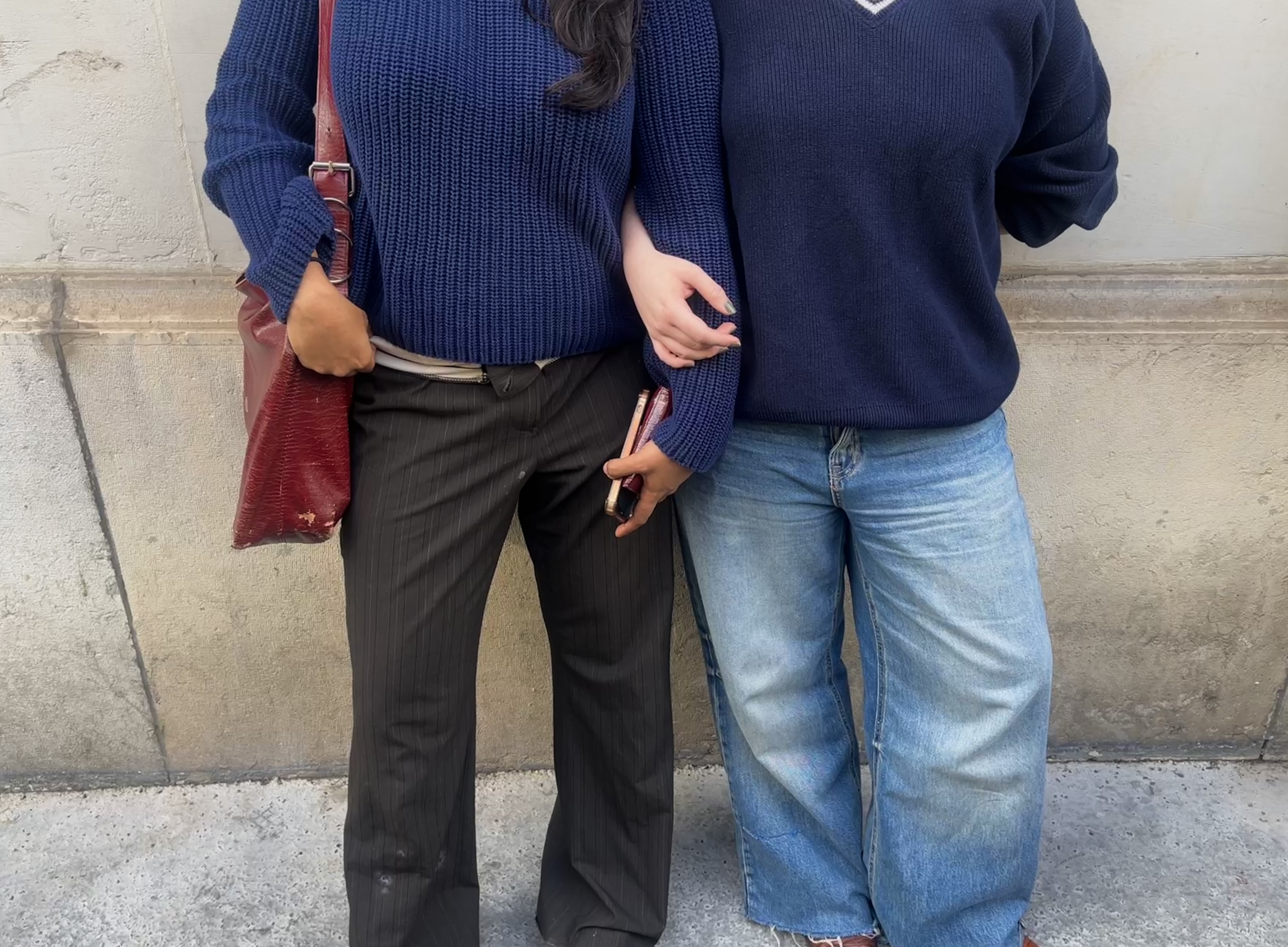
Walk through the hallways of AUP, and the relationship between the environment and style is immediately apparent. Situated in a city defined by its fashion weeks and a global reputation for elegance, the student body often reflects this international pressure to maintain a curated aesthetic. From oversized blazers to structured trousers, the current trends lean toward “timelessness”—a look that suggests durability and natural quality. Yet a closer look at care labels tells a different story. While garments mimic the matte finish of wool or the softness of cotton, a significant portion of modern student wardrobes is made of synthetic polymers: polyester, acrylic and nylon.
This shift toward synthetics has occurred alongside a decline in material literacy. As consumers, many of us have lost the ability to distinguish between organic fibers and petroleum-based alternatives by touch alone. For AUP students, this creates a particular vulnerability. We are the primary demographic for eco-branding, a marketing strategy designed to signal environmental responsibility. However, the line between genuine commitment and greenwashing—the practice of using deceptive marketing to appear environmentally friendly—is increasingly blurred. While greenwashing permeates industries from tech to energy, students most often encounter it in the high-street shops surrounding the 7th Arrondissement.
The Legal Fabric
Greenwashing isn't just a buzzword; it’s a legal battlefield. While brands use earthy tones and recycled-paper tags to soothe our environmental guilt, global regulators are beginning to pull the thread. In the United States, the industry giant H&M recently faced a class-action lawsuit (Lizama v. H&M Hennes & Mauritz LP) alleging that its “Conscious” collection misled consumers. The suit claimed the brand’s “environmental scorecards” were less sustainable than their main line, using data that did not apply to the specific garments being sold.
Berthon argues that these branding efforts often obscure the systemic reality of the business model. “Any brand that is fast fashion and that claims to be sustainable is greenwashing to some degree,” she explains. “The fast fashion model, despite claims around becoming more sustainable, cannot be environmentally sound by design.” She points out that even when companies introduce small eco-friendly lines, they continue to produce massive quantities of clothing using virgin, plastic-based fabrics, ultimately contributing to the same cycles of overproduction, waste and pollution.
The list of eco-vague marketing extends across the high street. In 2022, Zara touted “carbon-captured” polyester, a high-tech claim that research suggests accounts for only a microscopic fraction of their total production. Lululemon is currently under investigation by Canada’s Competition Bureau for its “Be Planet” campaign, which critics argue masks the company’s rising carbon emissions. Even Shein, the titan of ultra-fast fashion, launched a “Shein Exchange” platform for resale—a move many environmental lawyers call a “distraction” from a business model that produces thousands of new styles daily.
According to a 2025 industry analysis, approximately 68% of sustainability claims made by fashion brands are classified as unsubstantiated or misleading, creating a credibility gap that continues to erode consumer trust. For a student body living in a fashion capital, these figures suggest sustainable shopping may be more complex than a green tag implies.
The Fiber Hierarchy
Understanding the impact of these clothes requires examining the fibers themselves. Generally, the industry divides materials into two categories: those that prioritize breathability and biodegradability versus those designed for cost-efficiency and durability.
Linen, organic cotton and hemp are often cited as the gold standards for sustainability. Linen, derived from the flax plant, is highly breathable and requires significantly less water and pesticides than conventional cotton. Lyocell, a semi-synthetic made from wood pulp in a closed-loop process, offers a more sustainable alternative to traditional rayon.
Polyester, acrylic and nylon continue to dominate the market as the pillars of fast fashion. While they offer wrinkle resistance and lower price points, they are derived from fossil fuels and do not biodegrade. Acrylic, frequently used in knit sweaters sold by fast fashion retailers, is essentially a plastic made from acrylonitrile. Beyond the environmental footprint of their production, these fibers shed microplastics into the water system during every wash cycle.
When considering synthetic options, the distinction between virgin and recycled materials is often debated. Magali An Berthon, a fashion studies professor at AUP, clarifies that while “recycled materials are inherently the same materials as new materials” and choosing recycled options reduces energy and raw material consumption, the underlying issues remain. As she aptly puts it, “Recycled polyester is better than virgin polyester. But it is still polyester.” Because the fiber remains a non-biodegradable, petroleum-based plastic that sheds microplastics, Berthon recommends that consumers “purchase a laundry bag that prevents microfibers from being released in water streams” whenever buying polyester garments.
The AUP Student Perspective
The tension between environmental ideals and the pragmatic reality of a student budget is a recurring theme within the AUP community. While the desire for sustainable consumption is strong, the accessibility of ethically produced garments remains a significant barrier.
Alicia Galarza, a Politics and Middle Eastern Cultures student who works in fashion trade shows through a fashion journalism internship, has seen the industry’s inner workings firsthand. “I have started to appreciate more natural materials as I have gotten older,” she notes, reflecting on her shift toward quality over quantity. “I am now more willing to invest a bit more for better quality items that can last longer. Something that I have noticed at the different trade shows is that while some of the designs require more synthetic materials, there is a beauty in the more ‘natural’ materials that create more toned-down pieces.”
However, Galarza acknowledges the systemic gap that keeps many students tethered to the high street. “More high-end brands that do utilize environmentally sound fabrics aren’t always accessible price-wise,” she explains. “This gap leaves many people unable to access these products, leading to popularity in fast fashion.” For her, the compromise often means seeking out 100% cotton tops at accessible retailers like Brandy Melville or Hollister, balancing a need for breathability with the limitations of a student bank account.
This compromise is a daily calculation for Sasha Divekar, a fashion major who balances her academic knowledge of textiles with the necessity of retail shopping. "The majority of my clothing comes from Bershka, H&M and Stradivarius,” Divekar says, noting that these shops provide the sizing and everyday reliability she needs. “I’ve been trying to look at labels and be more aware after being in the Fashion Textiles and Materials class... but it’s not necessarily economically convenient for me to shop sustainably on a regular basis.”
For Divekar, the awareness of greenwashing is something that filters into the classroom, though she feels the industry still keeps the most critical conversations at arm's length. “The idea of sustainability always comes in around the end of the course,” she says. “I feel like it’s so hard, especially with artificial textiles coming in; it just gets harder to distinguish how to be sustainable in the fashion industry. I’ve had to do a little bit more research on greenwashing than I’ve heard in class.”
This sentiment is echoed by Katia Villalba, a Marketing major who approaches the “sustainable” lines of big retail chains with a healthy dose of skepticism. “I am aware of greenwashing, and I do think it is hard to balance,” Villalba says. “So many brands have come out with ‘environmentally friendly’ options that aren’t truly good for the environment and just use the term to make people feel good.”
Unlike the fashion majors who might look for specific weave patterns, Villalba’s shopping habits are driven by the immediate sensory appeal. “I don’t really check the materials. I buy it if it feels and looks good,” she explains. “If the clothing piece is something that is just a ‘fast-fashion’ trend, then I just look for the most available option.”
Toward a New Material Literacy
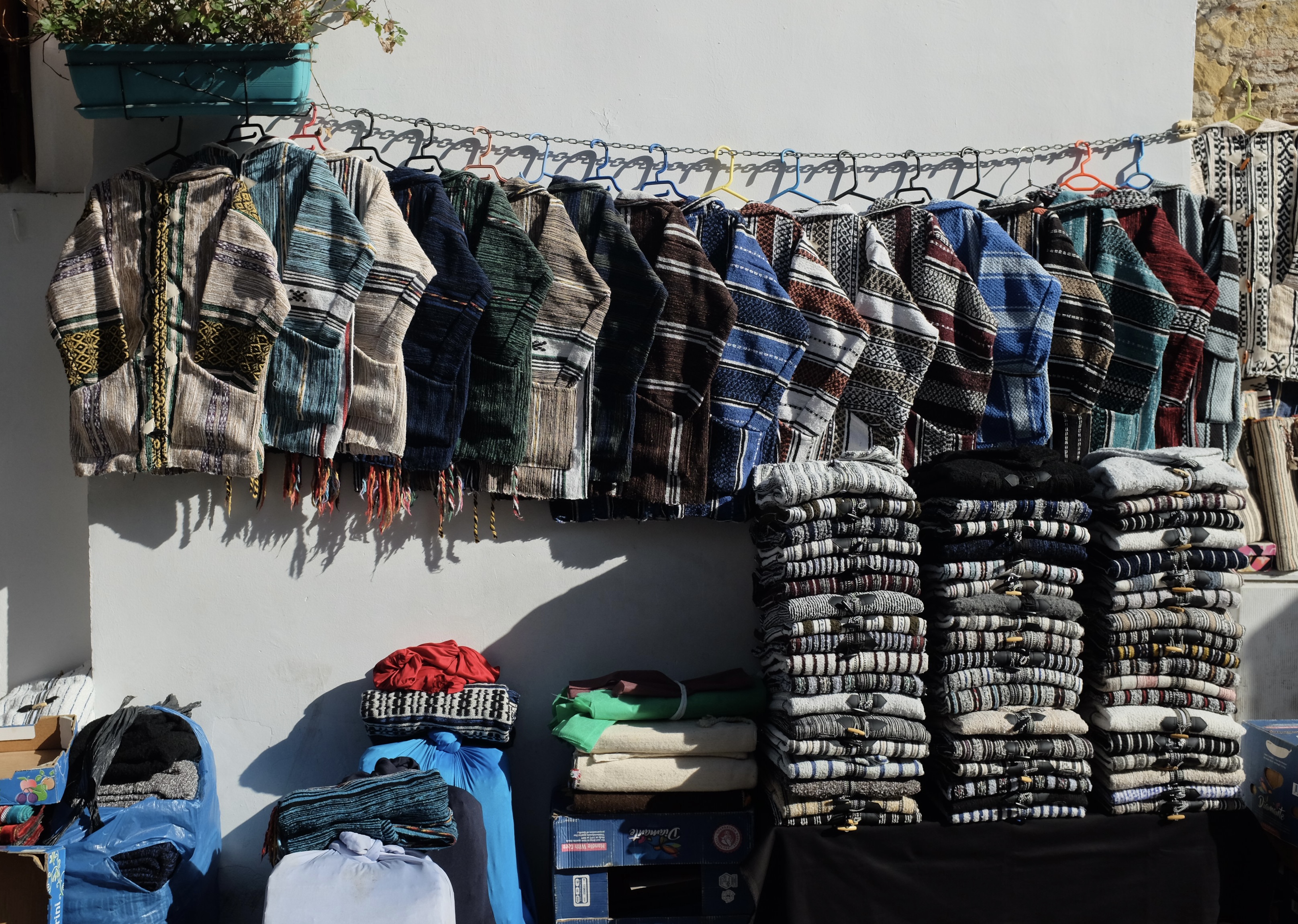
As the fashion industry moves toward tighter regulations, such as the EU’s proposed “Digital Product Passport,” the responsibility for transparency may soon shift back to the brands. In the meantime, AUP students are finding their own ways to bypass the greenwashing trap through creativity and the circular economy.
For many students, shifting away from fast fashion means finding creative alternatives. Divekar suggests that upcycling existing clothing is a viable path forward for those who want to stay on-trend without contributing to the cycle of waste. “I recently got my sewing machine,” Divekar shares. “I think the internet has become such a great source because you can find videos in no time that teach you how to sew. To feel like you have your own style but also uniqueness, it's a good way to upcycle your own clothing. If I find something I like in a store, maybe I could make it with stuff I already have at home.”
For Villalba, the solution is the digital second-hand market. “I started selling on Vinted because I wanted a quick way of getting rid of my clothes without throwing them away,” she says. “I feel like it is very sustainable for students because you are able to make money from selling. Reselling or donating is the best way to go about trying to stay sustainable.”
However, relying solely on platforms like Vinted is not a silver bullet. While they facilitate circularity, the user experience often mirrors traditional retail; the ease of browsing can gamify the process, inadvertently encouraging more consumption rather than a reduction in it. Furthermore, these platforms are not immune to the market’s flaws, often hosting counterfeit goods and experiencing price inflation that pushes them away from true accessibility. Relying on resale requires a discerning eye, as the convenience of the digital marketplace can sometimes mask the same patterns of hyper-consumption students seek to escape.
Ultimately, the “timeless” aesthetic so prevalent on the AUP campus is only as durable as the fibers upon which it is built. By shifting the focus from the marketing on the front of the tag to the technical information on the back, students can begin to reclaim their material literacy. In a city that dictates global style, the most fashionable choice may be the one that prioritizes the fiber over a brand's empty “green” promise.


