K-Beauty in the City of French Pharmacy
Within the skincare world, enthusiasts are torn by the comparison between two powerhouses: the clinical tradition of French Pharmacy and the technological innovation of Korean Skincare (also known as K-Beauty).
This competition between the two markets has become more apparent within the consumer behavior of the Parisian market. As a budget-conscious student, now navigating a city full of shopping, opportunities, I prefer to prioritize spending money only on products that deliver tangible results.
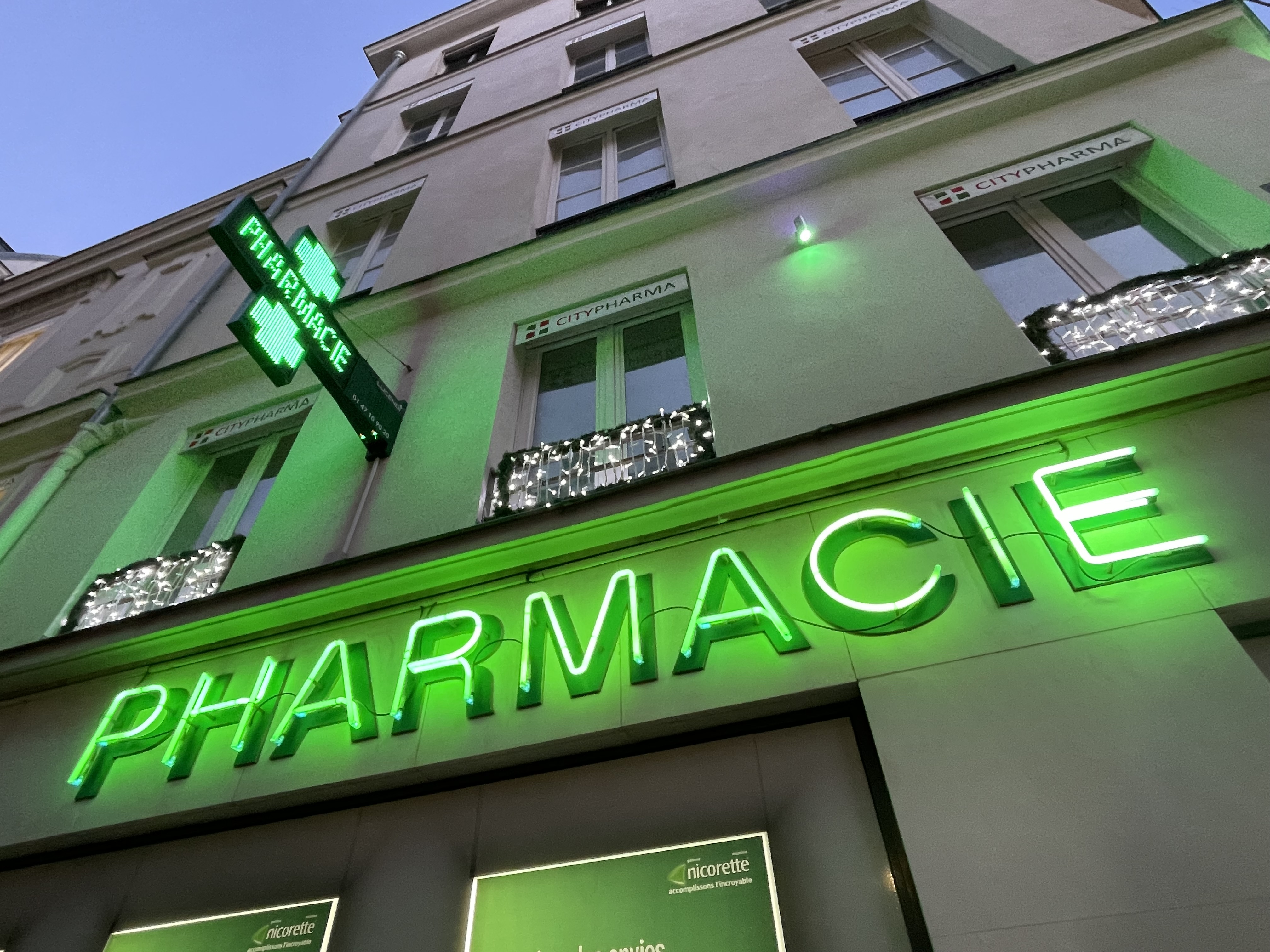
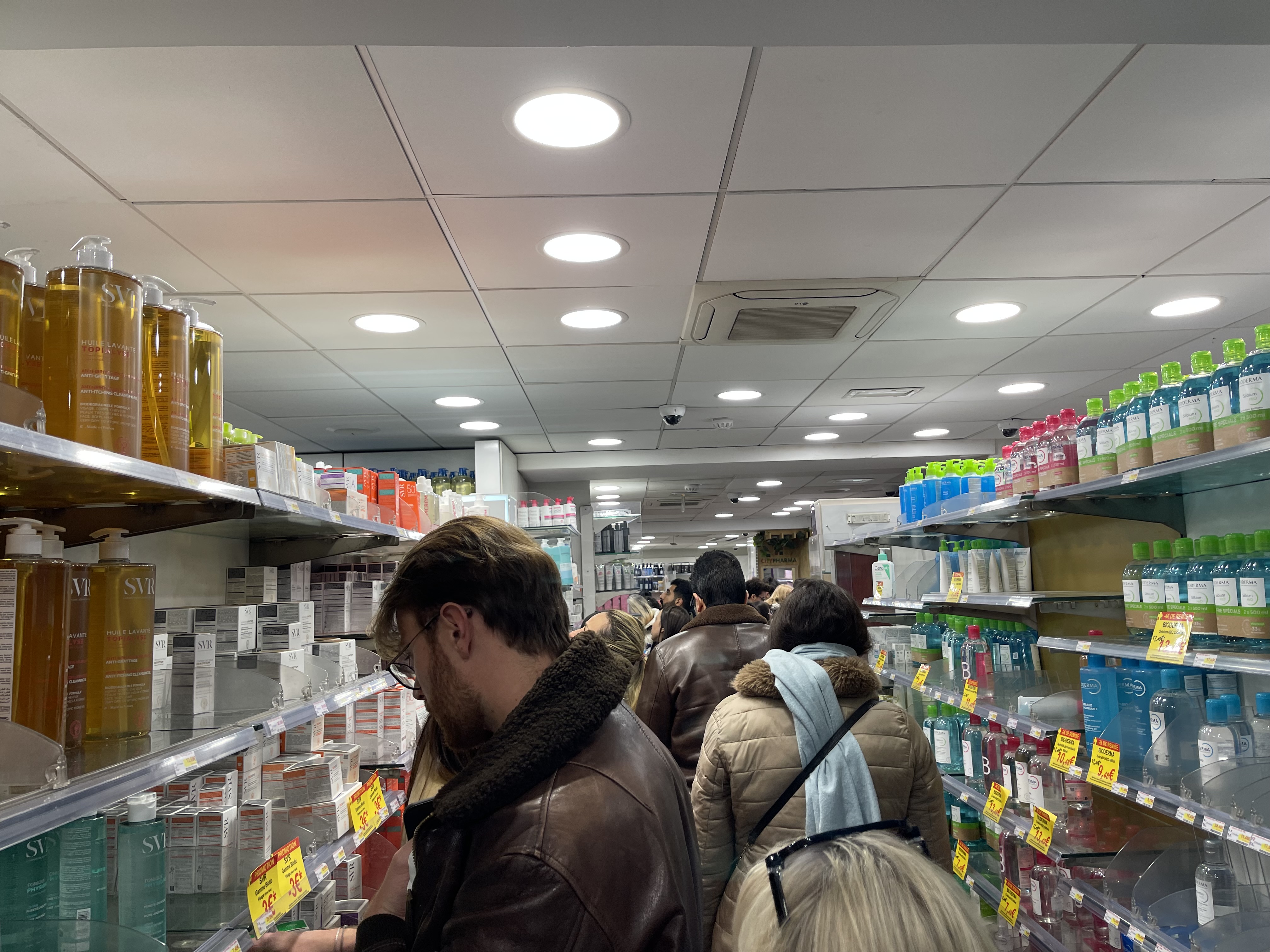
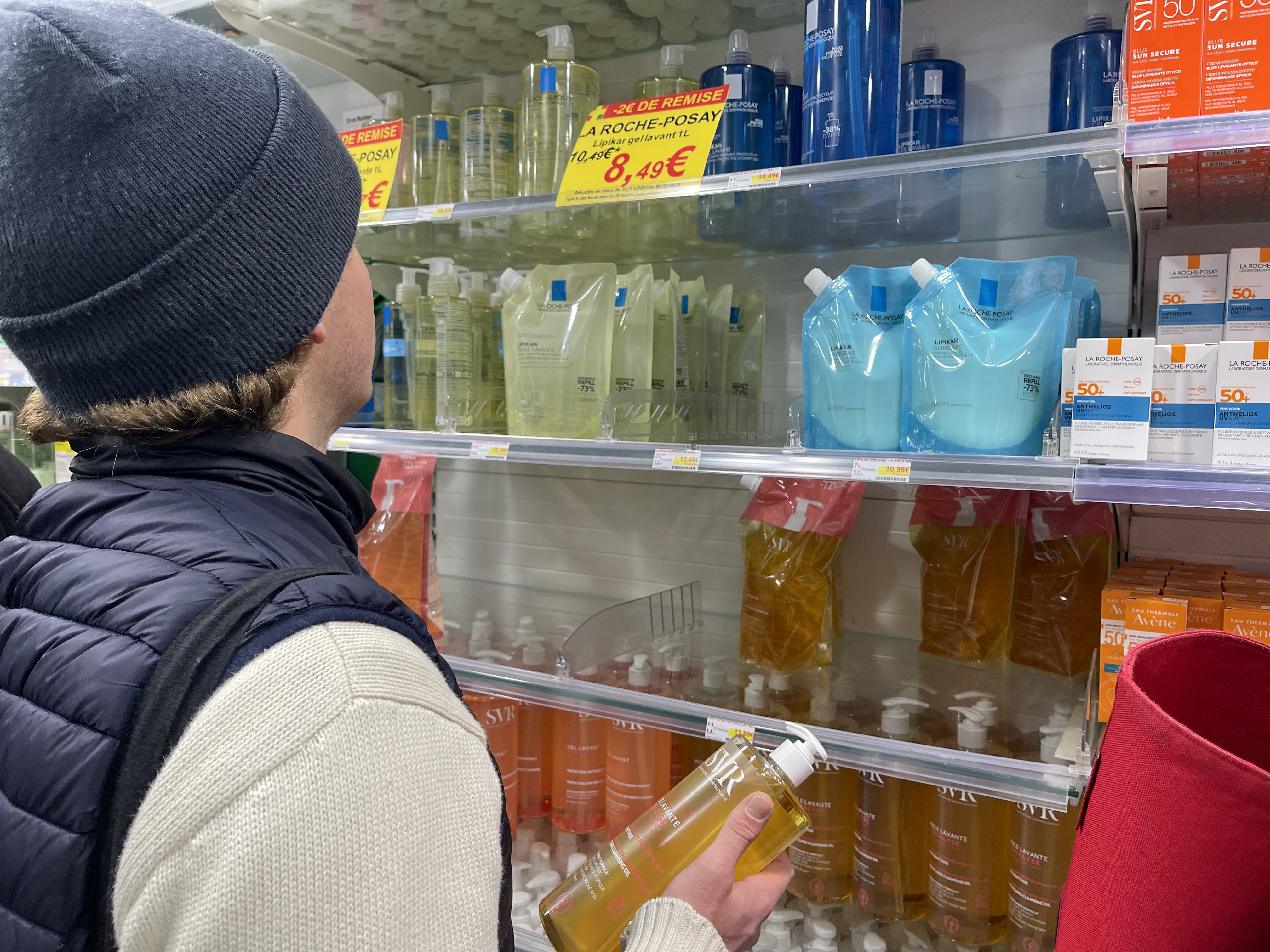
Consequently, while shopping at iconic, highly regarded places like City Pharma, I have naturally and inevitably relied on clinically-endorsed, minimalist creams and serums that define French derma-cosmetics. The products at these lcoaions embody the French ideology behind elegant and low-maintenance beauty.
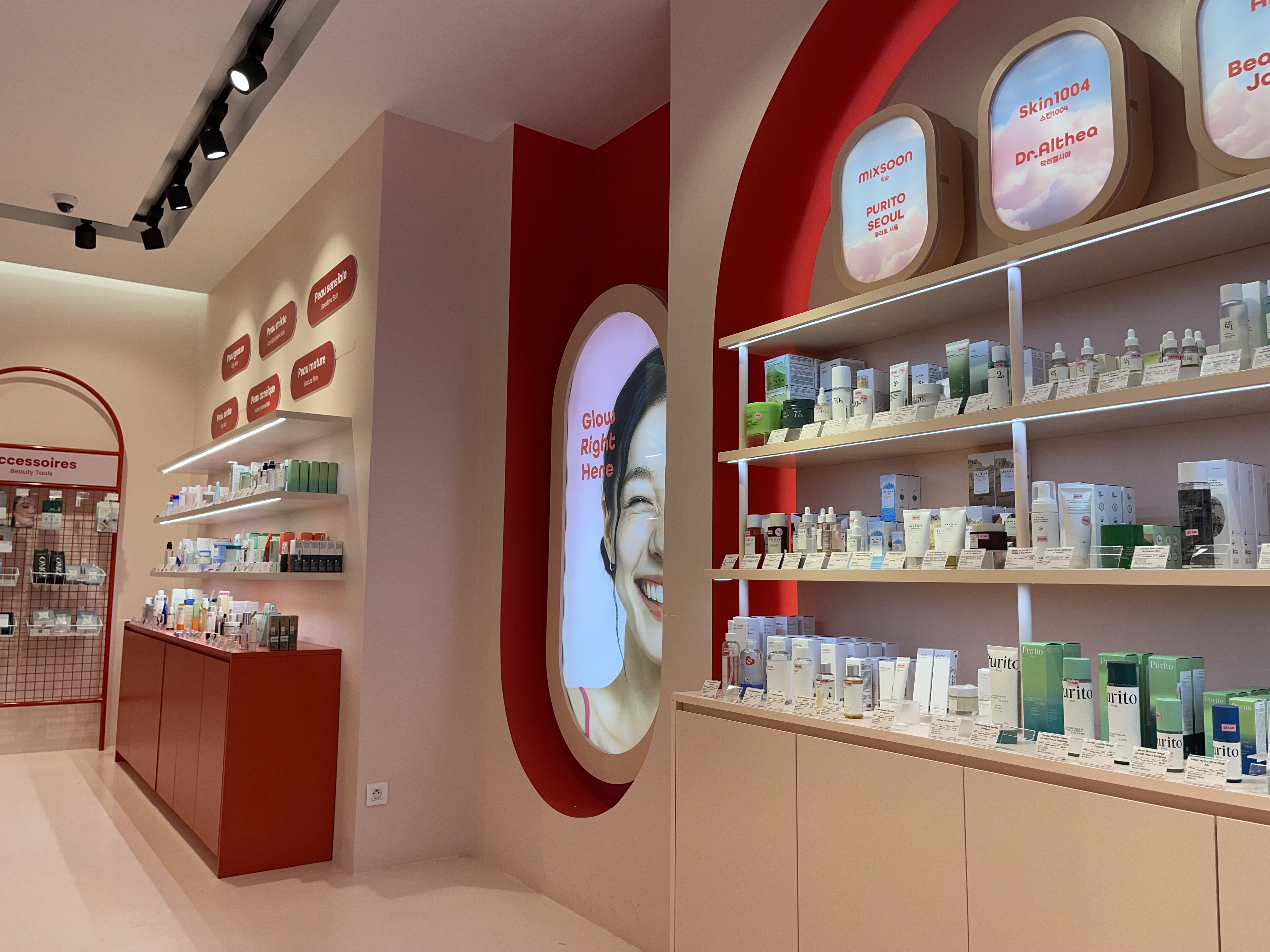
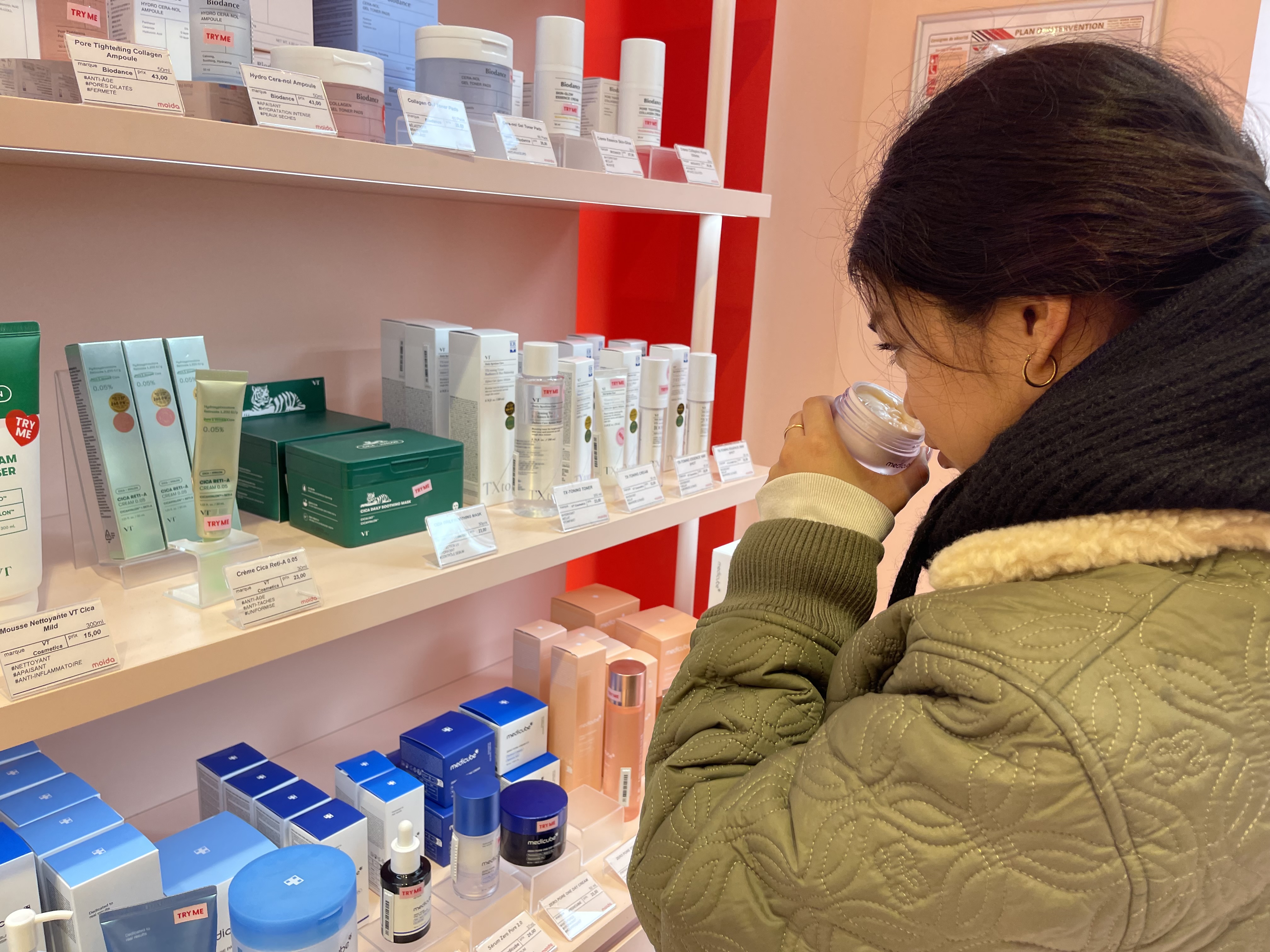
However, as the global expansion of Korean Skincare has reached Paris, its multi-step routines and innovative ingredients have introduced intrigue among consumers. This is especially true for someone who has overly sensitive skin and can have the occasional flare ups with scented products.
The difference between these product styles is not only through the way they are marketed, but they seem to have opposing skincare philosophies: French Beauty being built on clinically-backed products, whereas K-Beauty focuses on visible transformation. For the budget-conscious consumers, I intend to analyze where the optimal value lies.
Clinical Preservation vs Active Transformation
The core difference between the two market styles is between the philosophical and the structural.
French skincare operates under the idea of clinical preservation, prioritizing either immediate or long-term integrity of the skin barrier. The formulas of these products often contain thermal spring water for hydration, panthenol for soothing and repairing, and basic ceramides. These ingredients aim to repair and reinforce in an effort to calm sensitivity, restore the skin barrier and fulfill the French standards of skin appearing naturally healthy and untreated.
Korean Skincare, in contrast, focuses on visual and active transformation. This philosophy can be seen as maximalist as what can seem like a never-ending skincare routine but also intentional seeing that each product serves a different purpose. But each product is supposed to work with another to deliver the desired results. Whether it is to have plump and hydrated skin or that dewy and radiant glow also known as "glass skin" in the skincare world. K-Beauty uses the ingredients that are meant to alter the skin's texture and tone. Common ingredients in many K-Beauty products include Centella Asiatica (also known as Cica) for inflammation, Hyaluronic Acid for hydration, and Niacinamide which is used for brightening, reducing pores, and controlling oil production. And while K-Beauty encourages an extensive skincare ritual, the tradeoff is often time and proper layering of products.
Comparing Essential Staples
To test the cost-effectiveness and efficacy of these two approaches, I went and directly compared popular budget-friendly staples designed to solve common student skin concerns: cleansing, moisturizing, and treating breakouts. This comparison will highlight the difference in product formulation in order to further identify the core split between both skincare cultures.
Cleanser: Creamy vs Foamy
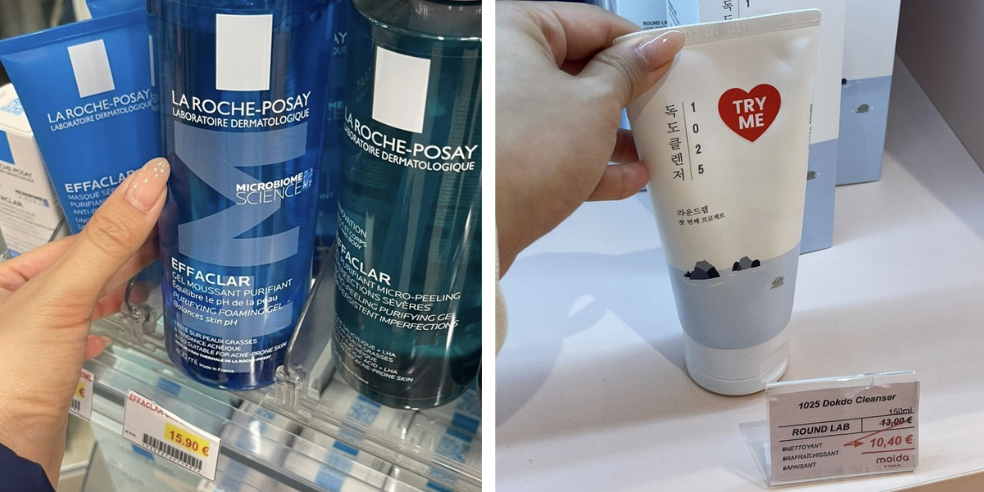
For cleansing, the price points are similar between both products are around 12-17 euros. The French cleanser that is widely recommended is the La Roche-Posay Effaclar Purifying Foaming Cleanser. This staple cleanser is recognized for its simple ingredients like Niacinamide and Ceramide-3 to not only cleanse but to reinforce the skin's protective barrier.
On the K-Beauty's end of the spectrum the optimization of skin health starts from the very start of the regimen. I chose to use the Round Lab 1025 Dokdo Cleanser as the alternative. Why it is a standout is because it is formulated with ingredients like Panthenol, Deep Sea Water from Dokdo Island which helps to remove impurities and sebum and other gentle ingredients to reduce redness or easily irritated skin.
Ultimately, both offer gentle cleansing and are non-scented. The difference is very subtle, but overall the K-Beauty product seems to be more on repairing ingredients whereas the French option is more barrier integrity or maintaining the skin barrier.
Moisturizer: Heavy Duty Vs Light and Layer-able
This comparison continues with moisturizers.
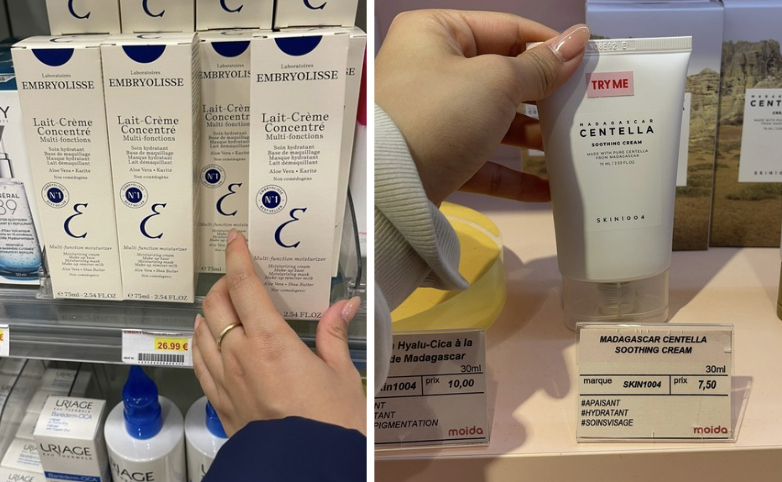
The French route will be represented by the Embryolisse Lait-Créme Concentré (around 17-20 euros) which is not only popular in the skincare world, but also has been supported by those in the makeup community. This product is marketed as a multi-use staple and for its soothing and hydrating properties. Furthermore, it can be used as not only a moisturizer but also the perfect primer for a dewy finish. However, it is important to note for those who may be scent sensitive, that this product does contain fragrance but it is known to be subtle.
In contrast, the Korean alternative, is the SKIN1004 Madagascar Centella Soothing Cream (around 15-18 euros), is designed for active repair. It is praised for its soothing ingredients such as Centella Asiatica which calms irritation and supports skin repair and other calming and supporting ingredients that make the cream suitable for sensitive skin. This product hits all the "core values" and has become a cult favorite seeing that it heals damaged skin barriers, and is considered to not "be greasy", and has a more affordable price point.
And so, the French option provides that multi-functionality and a primer base, perfect for either day or night; while the Korean option provides target barrier repair and a gentler formula for sensitive skin.
Blemish Battle
Finally, for breakout treatments, which is where both sectors differ significantly.
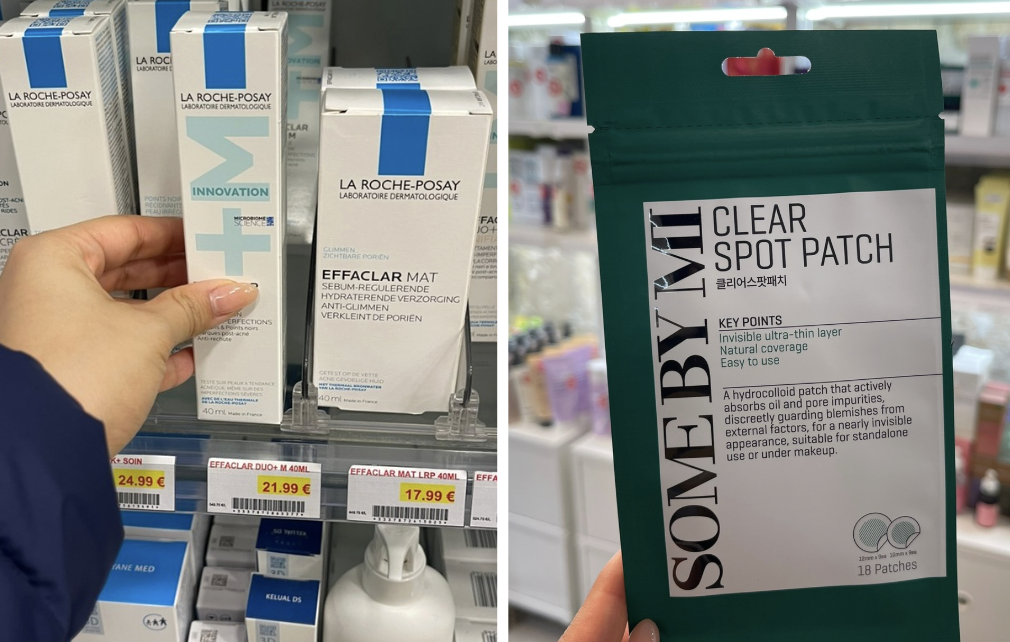
Within French cosmetics, many products seek to target active blemishes aggressively through clinical ingredients. A stand-out product would be the La Roche-Posay Effaclar Duo (around 14-18 euros) due to its strong actives like Benzoyl Peroxide which serves as a gentle exfoliant and Salicylic Acid which fights against acne-causing bacteria, reduces blackhead and white heads, and has anti-inflammatory effects. This product can be both as a spot treatment or a whole face treatment for those who are acne prone.
Whereas, K-Beauty takes a gentler, more external barrier approach. Products like SOME BY MI's Clear Spot Patch (around 4-7 euros) is an alternative. It is a hydrocolloid patch that are often infused with calming ingredients like Tea Tree Oil and Salicylic Acid, while the hydrocolloid works to draw out impurities and encourages for scar-free healing. These patches are extremely thin and basically invisible when put on. Which makes it perfect for day or night use, even under makeup. It is a non-drying, barrier method for those who may have sensitive or dry skin.
Ultimately, within this comparison, K-Beauty focuses on healing without scarring. French Beauty withholds the more potent actives for the more specific treatment products.
Price-Per-Millimeter
When it comes to the bang for your buck, the final debate ends on how each market prices their product per millimeter.
If the deciding factor depends on the economic value, then the French Pharmacy may be the route you want to take. Although the initial price points may appear high, you must take into consideration the strategic purchase of buying in bulk.
For example, the iconic household staple like a 500ml of micellar water or large format barrier creams are drastically lower considering the price per millimeter. When thinking of skincare as an investment and wanting it to last, you are ultimately, paying for consistency, and dermatologist backed products.
If you are looking for something new and innovative, K-Beauty excels at using ingredients that are more "cutting edge". Additionally, students still have the ability to find affordable serums and creams that contain similar complex actives (like peptides and vitamins) that would normally come with a higher price tag in western counterparts.
This accessibility may not be as price-forgiving given the context of how complex you want your skincare routine to be. Since the overall philosophy of Korean Skincare relies on that multi-step routine, a full regimen from one brand can quickly add up and surpass the price of even high-quality French staples.
However, trends do acknowledge that consumers can strategically select products within various K-Beauty brands to build their own customized and effective and even less complex routine. So, you don't necessarily have to sacrifice a simple routine to engage in result-driven products.
So, now what?
It is important to note than neither French Pharmacy nor K-Beauty is a clear winner. This analysis is only meant to compare and give you the option to see what may work best for you. It is clear that both offer distinct value. French products could be best for cost-effectiveness and its more derma-backed products. K-Beauty provides access for more specialized and high-impact ingredients.
Maybe don't choose one. Choose both, combine them and by some essential basics from a French Pharmacy and use some portion of that budget for K-Beauty treatments like serums and masks to create a routine that is both financially smart AND highly effective.