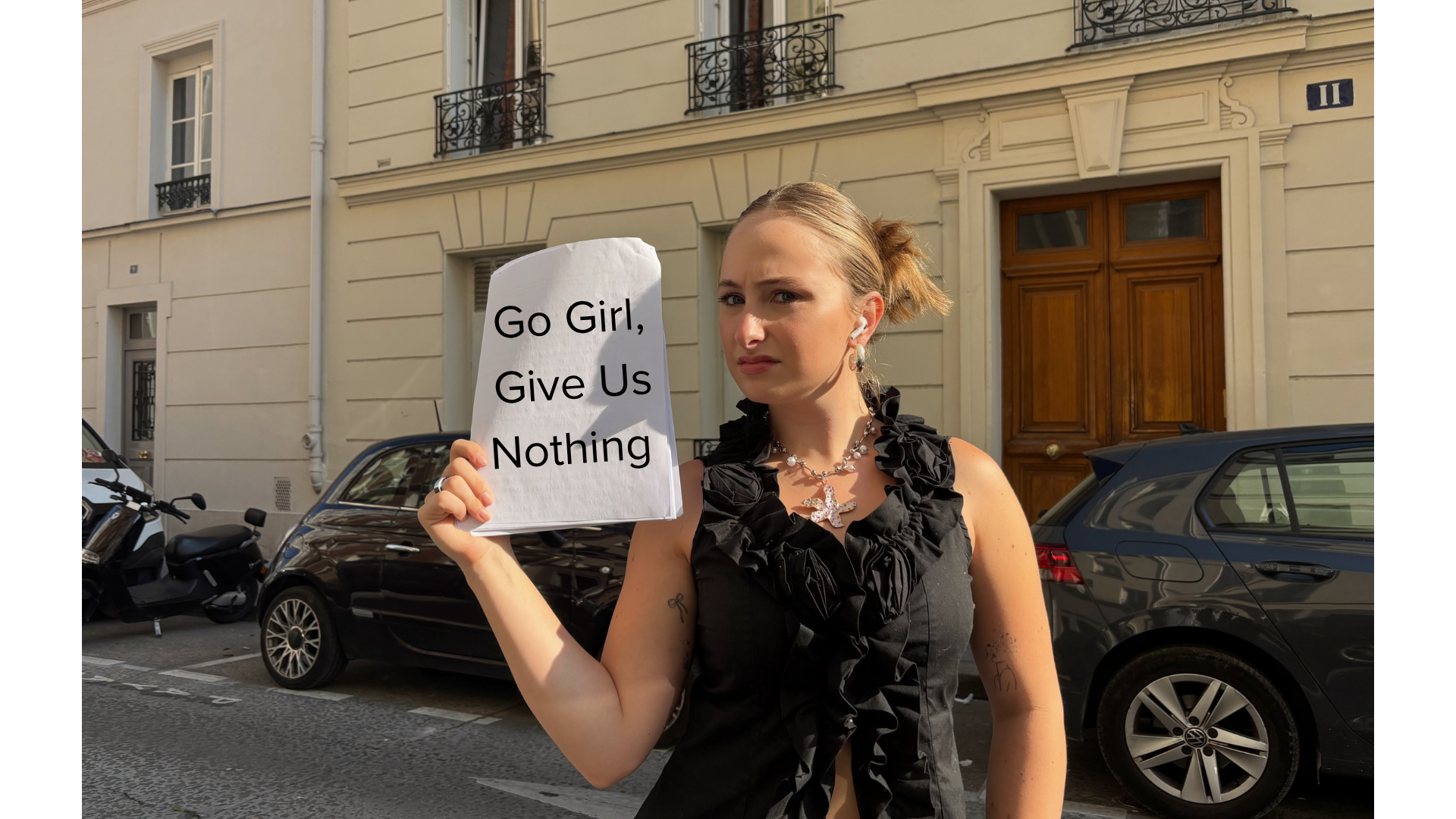
"Go Girl, Give Us Nothing"
The last time I was truly captivated by Vogue U.S. I was seven years old, begging my mother in the supermarket aisle to buy me the newest September issue featuring Kirsten Dunst. Draped in pastel gowns and adorned with pearls, she was transformed into a modern Marie Antoinette: a decadent homage to history, glamour, and fantasy. Although some could have called it controversial to my young eyes, it represented an age of daring and whimsical fantasy. That cover crafted my perception of what fashion was, and who Vogue was in that story.
Vogue wasn’t just a magazine – but rather an institution that made legends.
Now twenty-four, I am scrolling through an endless sea of social media posts when I see the October 2025 cover of Vogue U.S… Kendall Jenner and Gigi Hadid look back at me from the cover. Suddenly childhood wonder has transformed into an eye roll.
It wasn’t just the vacant stares or the exhausted formula of celebrity posing that gave me pause. Nor was it the uninspired textiles or lack of artistic risk. It was something simpler, yet more revealing: a lack of vision. Between them, Jenner and Hadid have appeared on the cover of Vogue U.S. five times in the past five years, not to mention countless international editions and brand campaigns.
What makes them the defining voices of today’s fashion narrative?
Marc Jacobs seemed to offer an explanation:
“There was a hunger for the supermodel thing we knew from the past: Kate [Moss], Naomi [Campbell], Linda [Evangelista], Christy [Turlington]. That had been missing in fashion for a long time. Models had become interchangeable, so it was exciting with Kendall and Gigi: they had this fresh enthusiasm.”
Despite his praise though, I can’t help but disagree and the internet seems to echo my sentiments.
The phrase “Go girl, give us nothing” has become a viral callout on social media expressing frustration toward celebrity models who often deliver lackluster performances. Kendall, in particular, has been frequently criticized for her flat runway presence and uninspired editorial work despite being one of the highest-paid models in the world.
The truth is, unlike Kate or Naomi, Jenner and Hadid are nepo-babies. They walked through doors their predecessors had to break down, and were handed one of the most influential stages in fashion media. In a time as historically charged and socially urgent as ours, it seems their voices are too often filled with PR talking points and predictable subjects.
But Vogue U.S. wasn’t built on safety.
When Anna Wintour took over as editor-in-chief in 1988, she redefined Vogue magazine entirely. Her debut cover, featuring a then-unknown Michaela Bercu wearing jeans and a couture jacket, was revolutionary. A radical statement, blending high fashion with street style, signaling a new era. The decision to feature celebrities on covers and merge pop culture with fashion was bold for its time. But 37 years later, the formula that once felt disruptive now feels stale.
Vogue U.S alone has garnered 51.2 million followers on Instagram, over 145 million views on its digital platform, and today has a dedicated print readership of 10.8 million - so why has it become the ‘safest’ fashion publication within the Vogue universe? I posed the same question to a longtime reader.
“The truth is, Vogue is not standing out any more like in other countries,” says Isabella Morocco, a Fashion Track major at the American University of Paris. “Vogue China and Vogue Portugal come to mind. The U.S edition is insanely oversaturated with people we’ve seen before,”
International editions like Vogue Portugal, Vogue Italy, Vogue China and Vogue Czech Republic – despite having a fraction of the audience – consistently surpass Vogue U.S. in originality and boldness. Their covers introduce fresh faces, embrace bold visuals, and prioritize culturally relevant storytelling.
A prime example being, Vogue Portugal’s recent "Wisdom Issue," which paid tribute to a demographic often sidelined in fashion: older women. The issue celebrates voices shaped by decades of experience, resilience, and grace; stories that resonate deeply in today’s world. The visuals are refreshingly honest, featuring women with minimal editing and effortless chicness. A level of originality and rawness that Vogue U.S. wouldn’t dare to attempt today.
And in contrast? Vogue U.S features Kendall and Gigi discussing horses and their high-profile friendship. Being one of the biggest fashion publications in the world, can we really say this is the pinnacle of fashion journalism? That this is the cutting-edge Vogue we once knew?
At this point, I do find myself turning to international editions to rediscover a sense of awe that Vogue U.S. once created.
Now, the publication has been given a rare window.
After decades at the job, Anna Wintour announced her shocking departure from the Editor and Chief position in the beginning of September, passing the torch to a new era effective immediately. But who is her successor? Thirty-nine-year-old Vogue alum Chloé Malle: a former social editor and, unsurprisingly, the nepo-daughter of actress Candice Bergen and Oscar-nominated French director Louis Malle.
“I’m not sure why people are surprised that Chloé Malle was named editor-in-chief at Vogue,” says Lillian Healy, a master’s student in the Fashion Track at the American University of Paris. “Have you seen Jaden Smith is now the men’s creative director at Christian Louboutin? The fashion industry has always known how to look progressive while continuing to uphold the same power structures.”
To her credit, Malle has not shied away from acknowledging the privileges that shaped her path:
“There is no question that I have 100% benefited from the privilege I grew up in,” Malle told The New York Times. “It’s delusional to say otherwise. I will say, though, that it has always made me work much harder. It has been a goal for a lot of my life to prove that I’m more than Candice Bergen’s daughter, or someone who grew up in Beverly Hills.”
Still, despite the reassuring sentiment, it’s a familiar rhetoric among those who’ve benefited from nepotism. One that figures like Kendall Jenner and Gigi Hadid have also struggled to confront directly, often attempting to downplay or discredit their advantage rather than simply acknowledge it.
So, the question remains... Will Chloé Malle breathe new life into Vogue’s legacy, or become the final nail in the coffin of its waning cultural relevance? In a time that demands bold new voices and revolutionary ideas, will nepotism continue to dictate the future of media?
“Chloé Malle has a unique opportunity right now to take Vogue into a different direction and make it her own” said AUP student, Isabella Morocco
And yet, it was Chloé Malle who oversaw Kendall and Gigi's October 2025 issue.
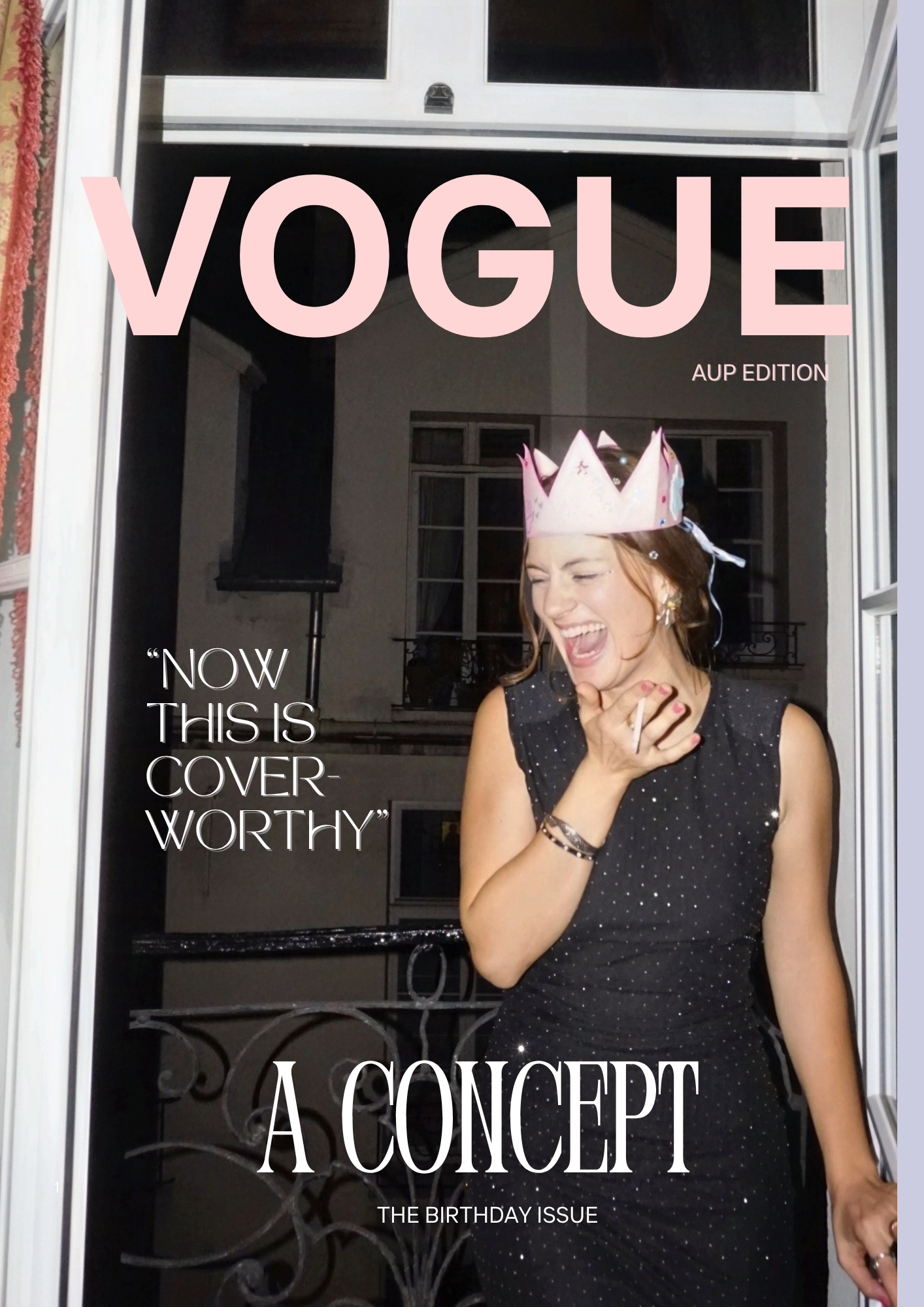
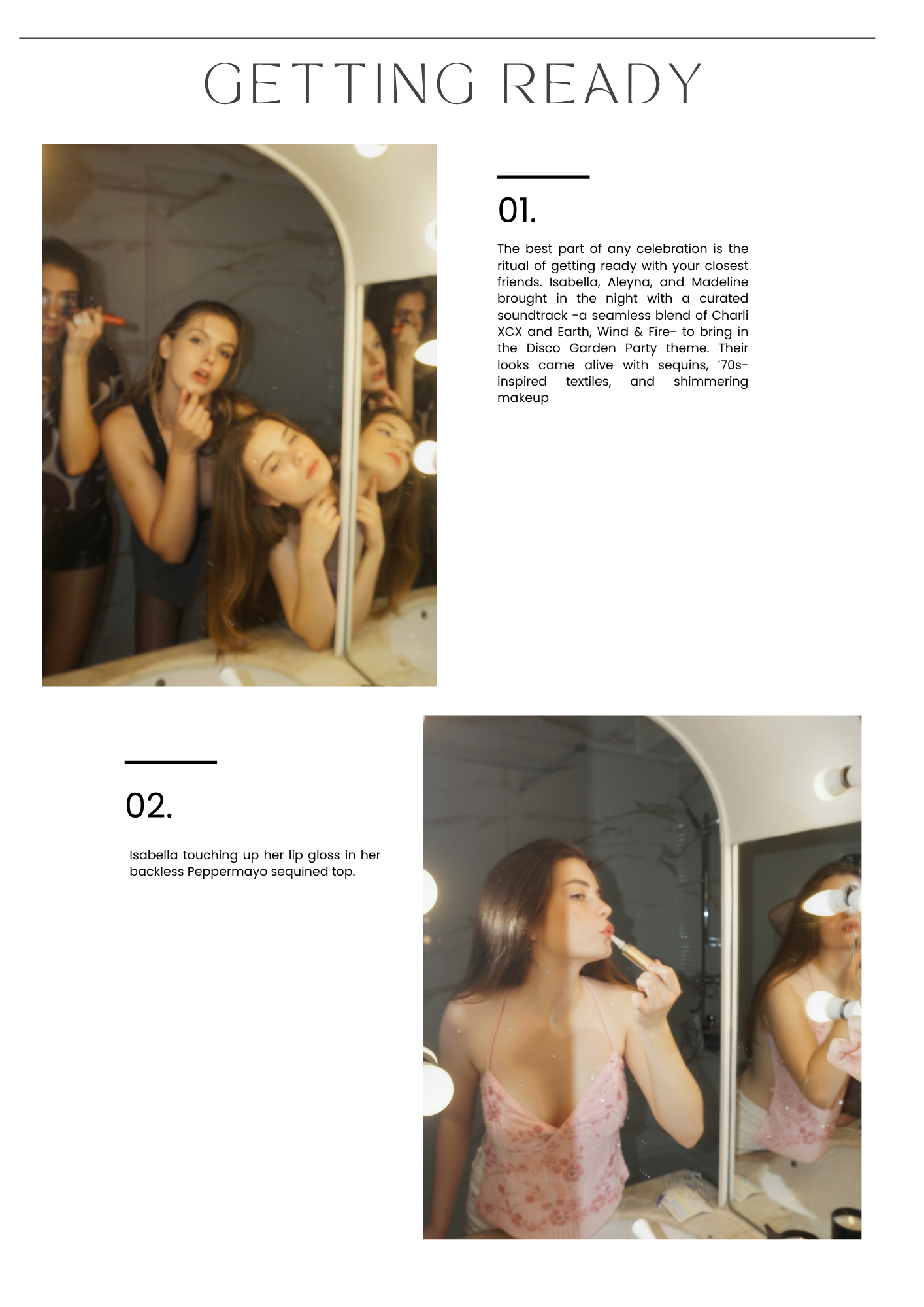
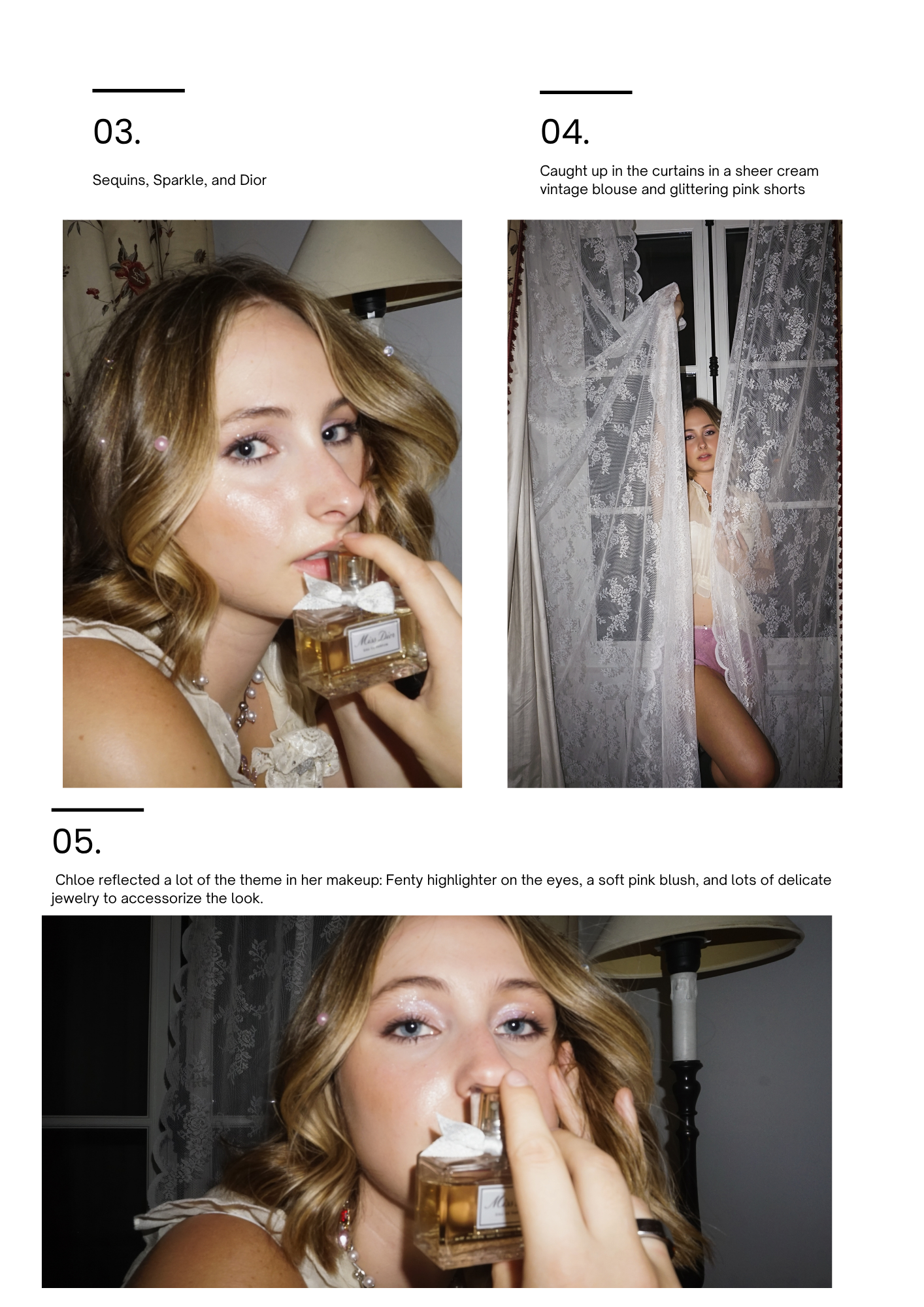
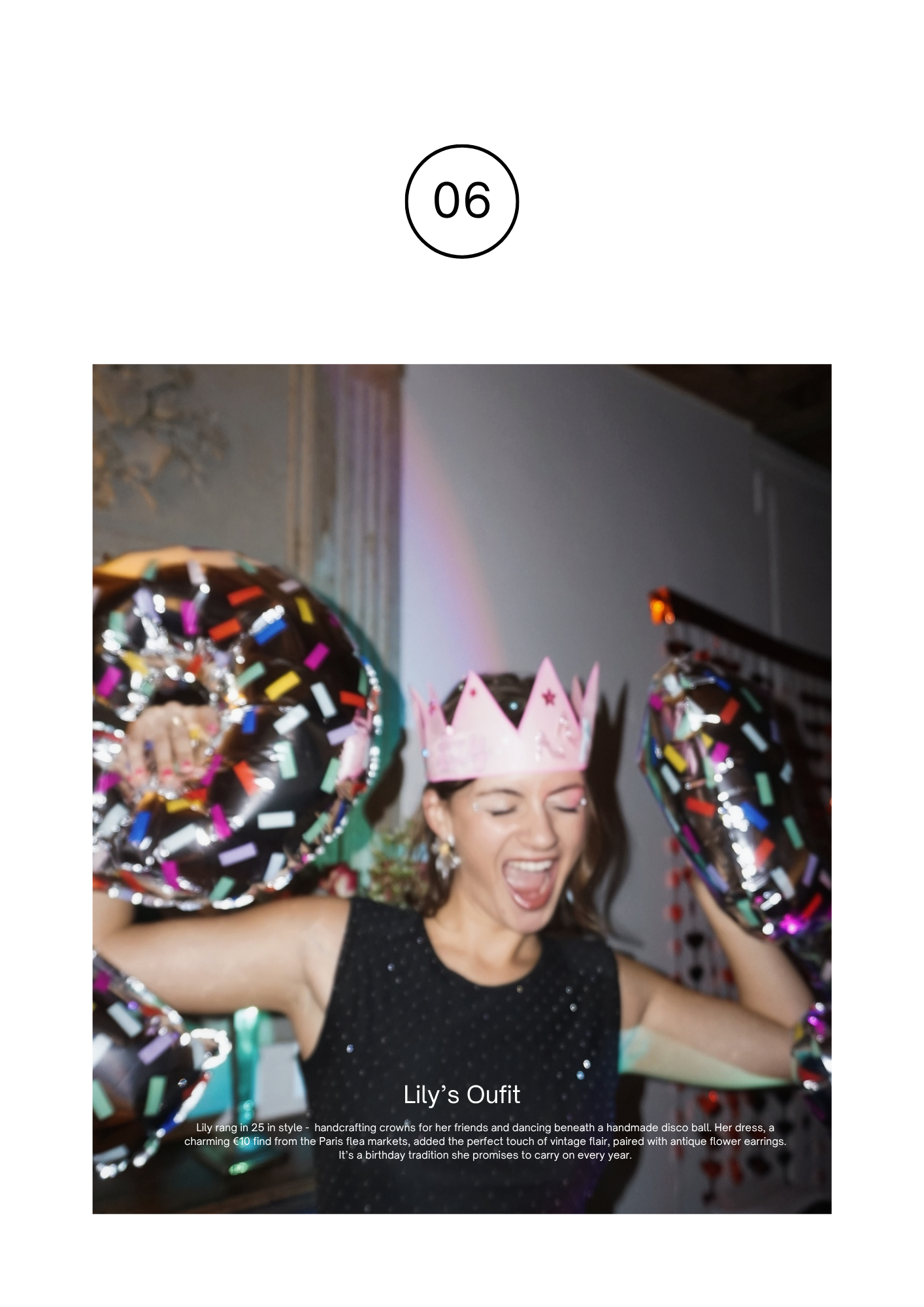
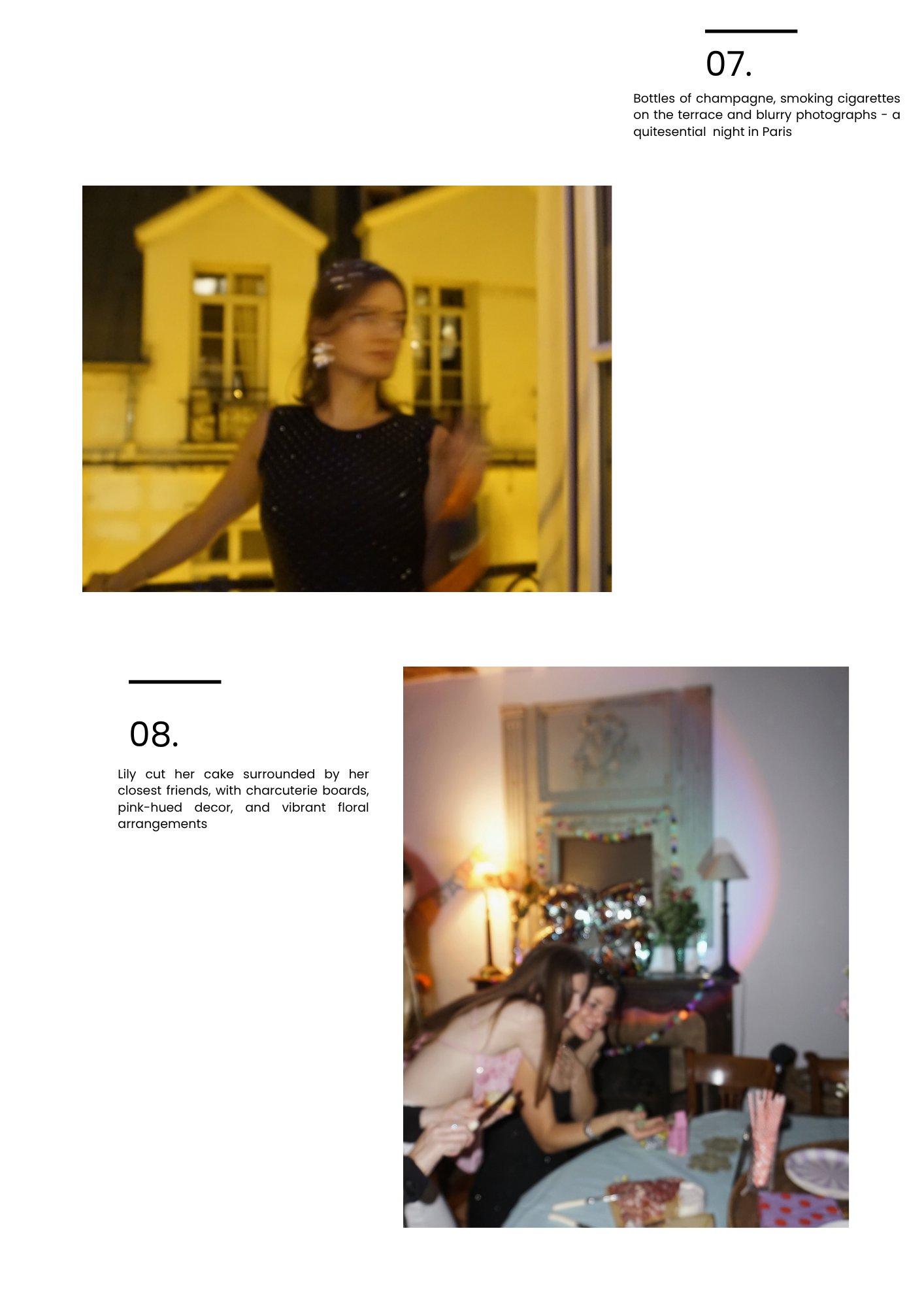
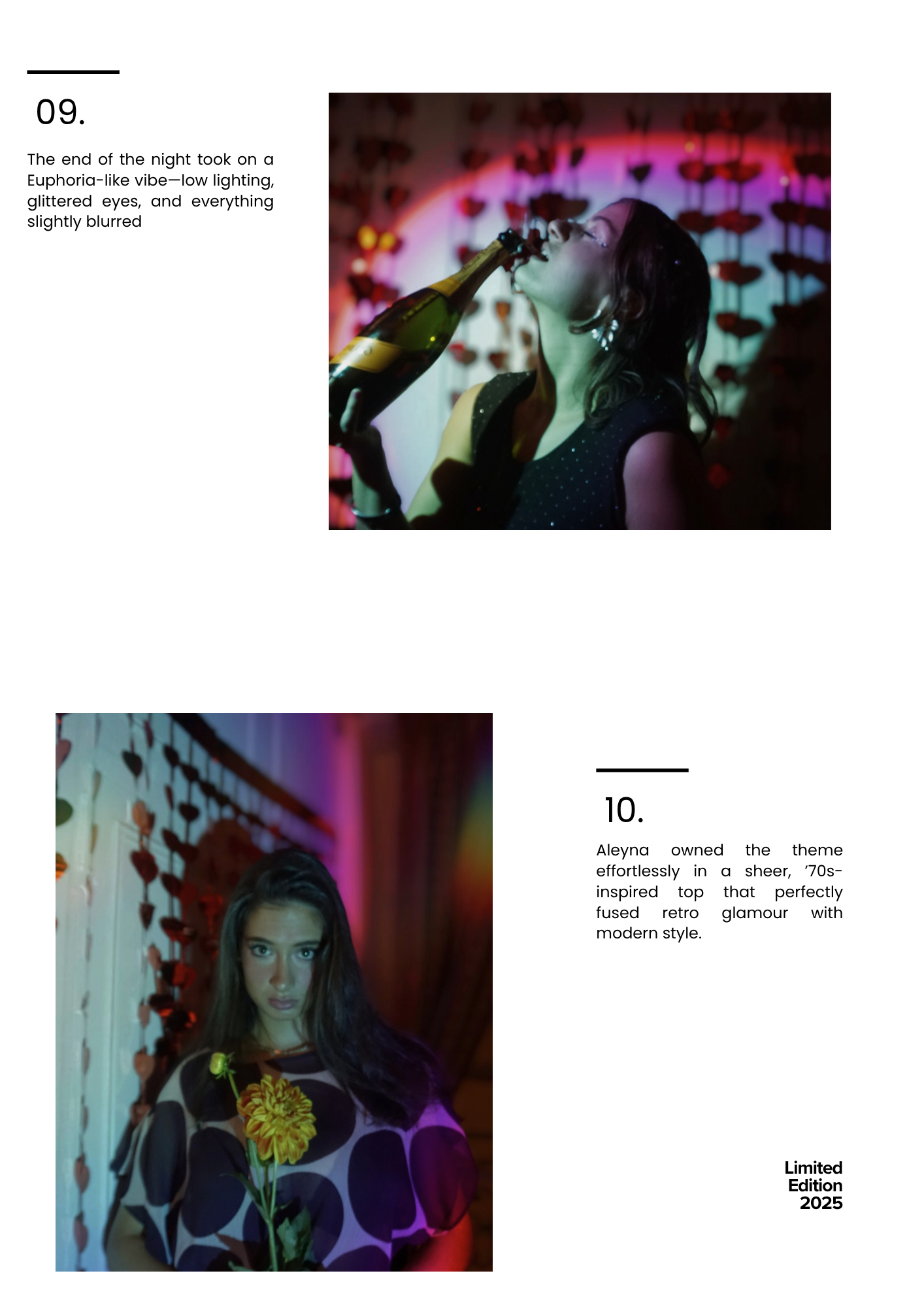
In that moment—while yearning for a fresh voice in the conversation—I decided to create my own version of a Vogue cover/issue. One that reflects what I believe the magazine should stand for today:
Real smiles. Real people. Real Life.