
"All You Need Is a Girl and a Gun"
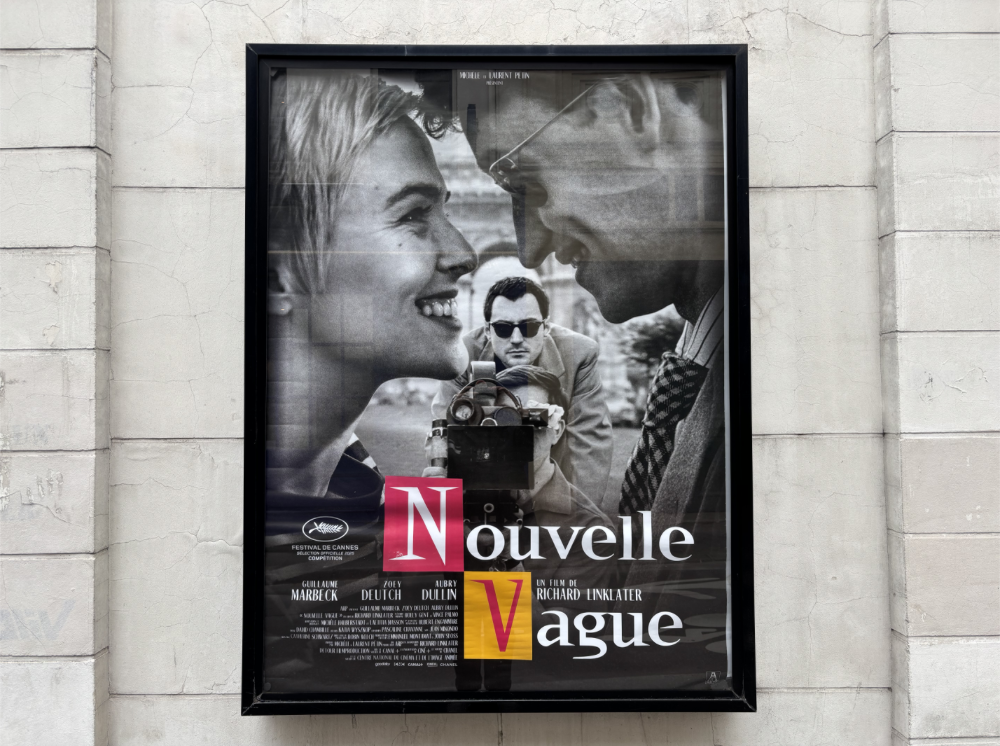
The romantic Parisian myth runs wild in the imaginations of millions, and ever since the novel gave way to the film as culture’s primary mythmaker, the output of the French New Wave has had a dominant voice in its construction and maintenance. In his latest film, American auteur Richard Linklater (Dazed and Confused, Before Sunrise) depicts the production of the film Breathless (1960), the lightning strike which set off a cinematic movement which would change film grammar forever.
Linklater’s Nouvelle Vague, which has been showing in French theaters ahead of a Netflix release on November 14th, is certainly concerned with maintaining the myth of Paris's image in the public consciousness.
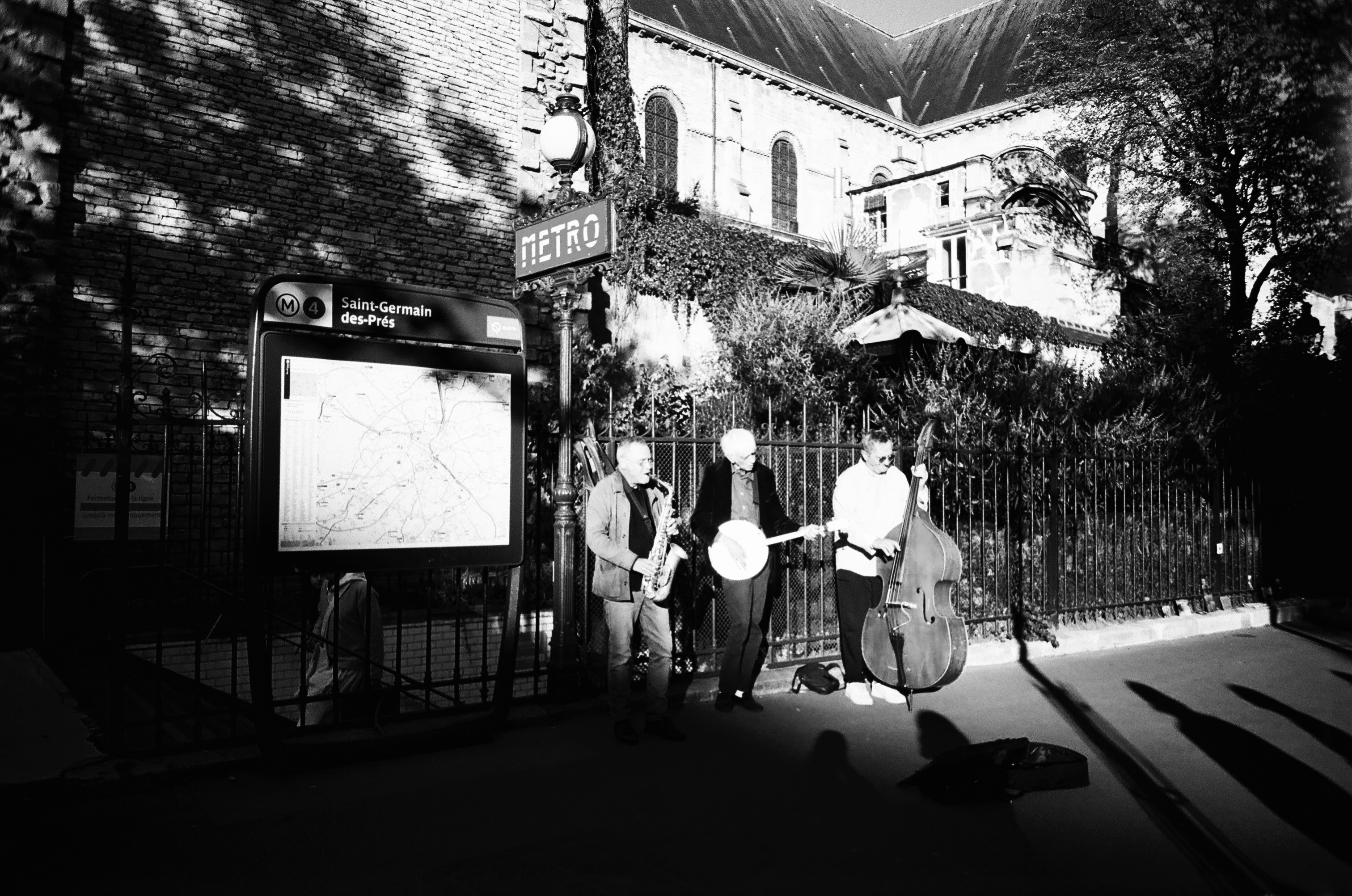
Tourists and expats arrive in the City of Light expecting to stroll down cobblestone alleyways and become immersed in a world of tweed blazers and Dior dresses - rubbing shoulders in no time with the latest icons of fashion, sports, and media.
We cannot help but fall under this spell. It has been ingrained into our amygdala via the written word, the celluloid strip, and the social media algorithm. Paris is what you dream it can be, until you get here. Then it is, for better and worse, reality.
Jean-Luc Godard, the critic-turned-filmmaker, knew these sentiments and played with them well in his debut film Breathless (À Bout de Souffle).
The film–shot on a shoe string budget in the streets, cafés, and hôtels of Paris–tells the story of a young hood, Michel (Jean-Paul Belmondo), who is on the lam in the French capital after killing a police officer. As he evades the law, he attempts to convince his on-and-off girlfriend, Patrica (Jean Seberg) to run off with him to Rome. Michel ducks through movie theaters to avoid police, steals cars to fund his escape, and stalks his lady friend across the city as she fulfills her obligations as an ambitious junior journalist. All the while, the Paris of 1959 spills out to the edges of the frame with famous landmarks, chic passersby, and trendy café hangouts. It is a time capsule of the Parisian myth which you can still see retained by the beret-wearing tourists that frequent the Latin Quarter.
The film is shot in black and white, a deliberate tool to transport us back to a mid-century milieu, a factor which for Godard back in the day was simply a practical consideration. The 1.33:1 aspect ratio is also reminiscent of Breathless and other output of the times before we had Panavision and IMAX projected across the screens of our grand movie halls.
The camera is always moving, and calling attention to itself when, instead of cutting from person to person in dialogue, the camera itself turns, mimicking the movement we all do when caught between two chatty pals.
One interesting flourish that Linklater brings to the film himself is the manner in which a rogues' gallery of French film luminaries enter each scene: they pose statically and face the camera as their name appears briefly below them. While there are simply too many faces and names to keep track of, it matters little because these characters rarely speak a word in the scene that unfolds after their introduction. Even those who do become significant characters in the story can be remembered as just “the producer” or “the friend.”
It is all there simply to force you into this clique; to make you feel like a fly on the wall watching cinema history unfold. What this sort of masturbatory reference-making will do to general audiences, time will tell, but I expect some glazed over eyes and shrugs. This one though is not meant for a general audience by nature. This one appears to be playing to the back of the theater, and the movie nerds who populate it.
The film opens with the premier of two films which will be an inspiration for Godard: Otto Preminger’s Bonjour Tristesse starring Jean Seberg and François Truffaut’s breakout The 400 Blows. They were not an artistic inspiration, of course, but this is where Godard gets the idea to hire Seberg as his leading lady and where he begins a sort of petty one-upsmanship with his friend and film critic colleague Truffaut which will last the rest of their lives. From these early scenes, we get an accurate and helpful framing of Godard’s character: self-important, bitter, and (for better or worse) genius.
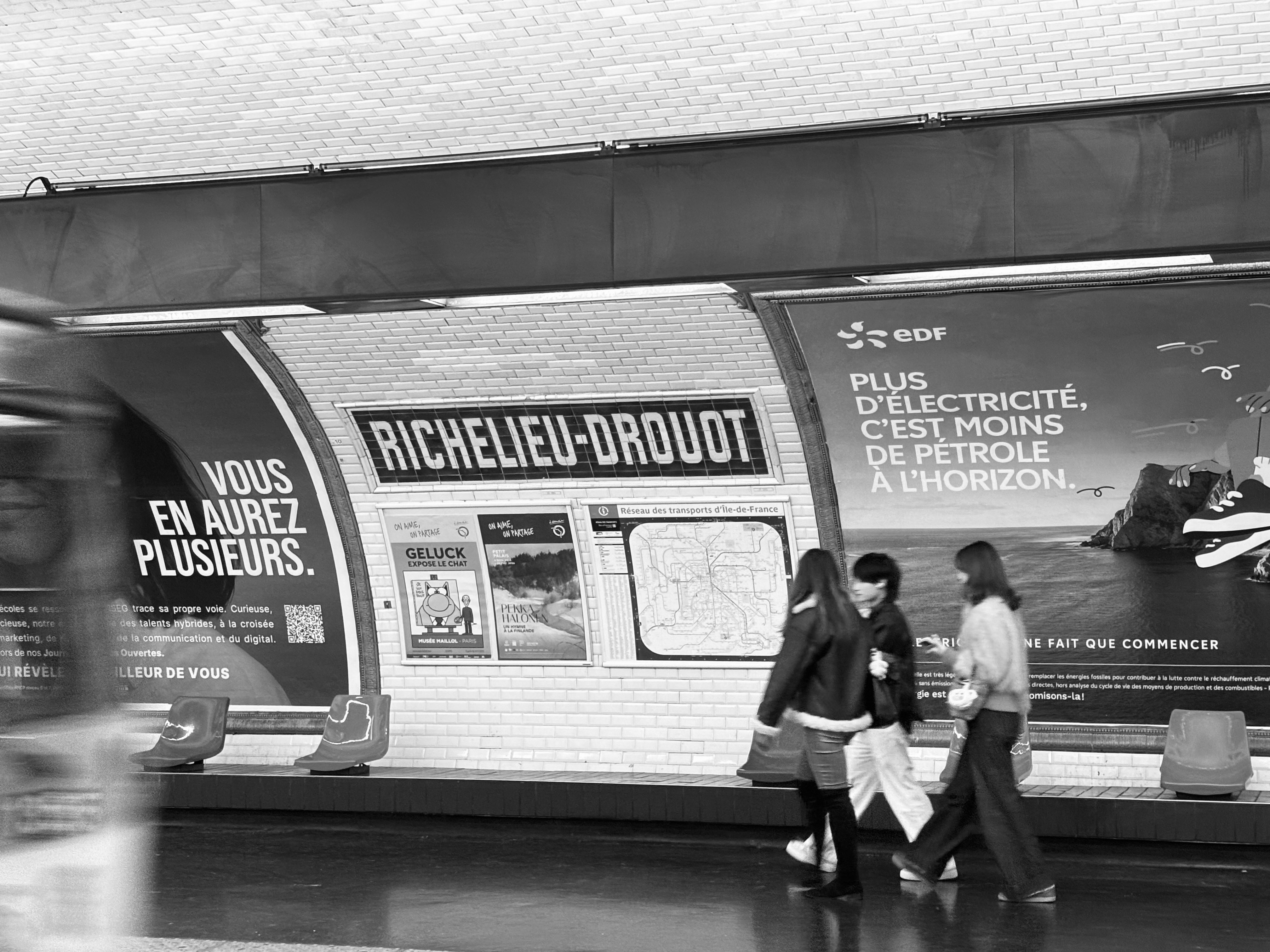
From here, our protagonist passes through Parisian salons, metro stations, lecture rooms, and mansions in his effort to recruit a crack team of up-and-coming professionals and assembles what vague outline of a story he has into a somewhat shootable script. It is in these scenes that the subject film's production passes through the prolonged third act at a sort of consistent inevitability. Godard makes script changes, the crew makes do with their limited locations and schedule, the actors' New Wave luminaries pop in and out to scold the director or offer him advice.
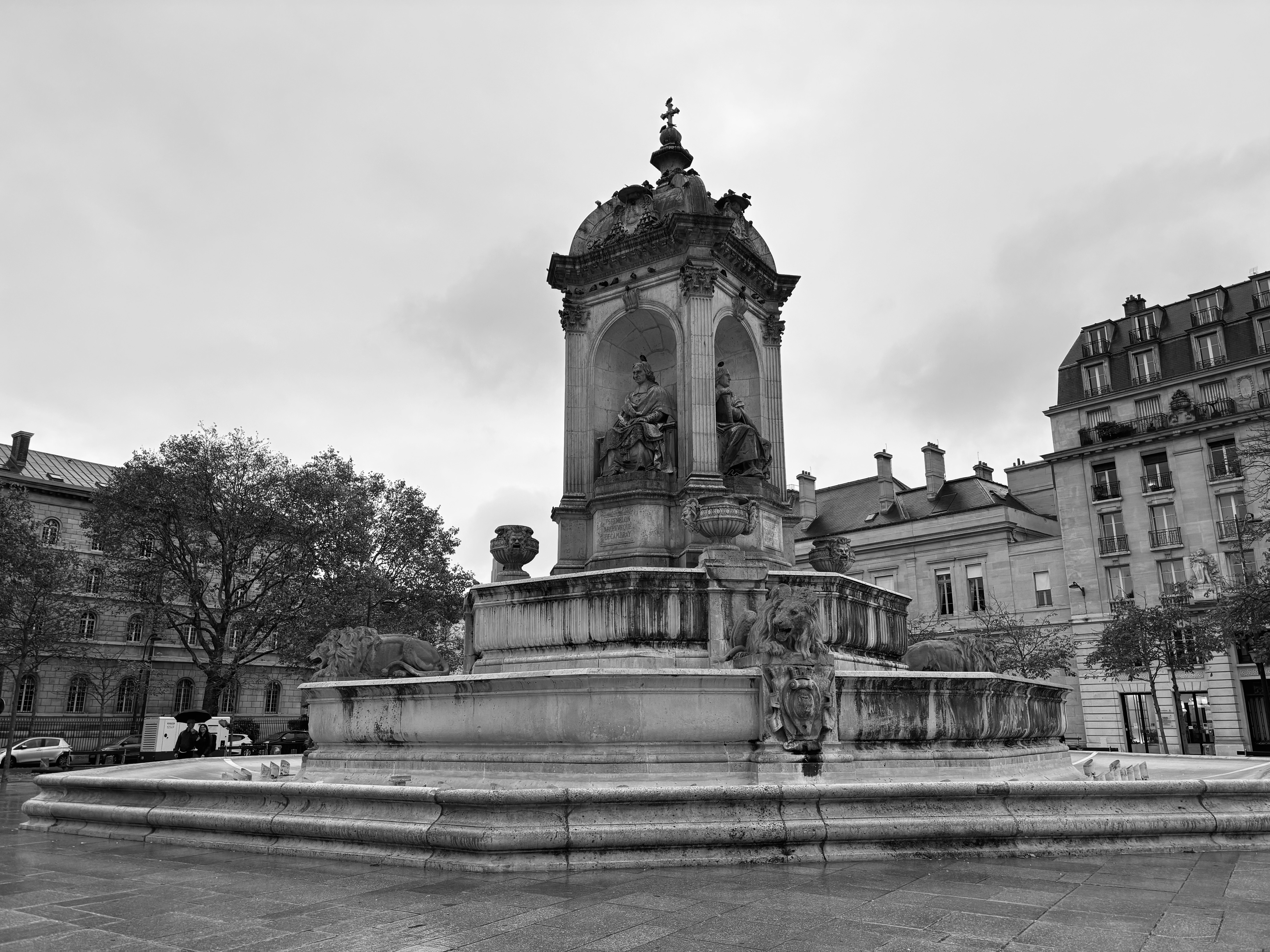
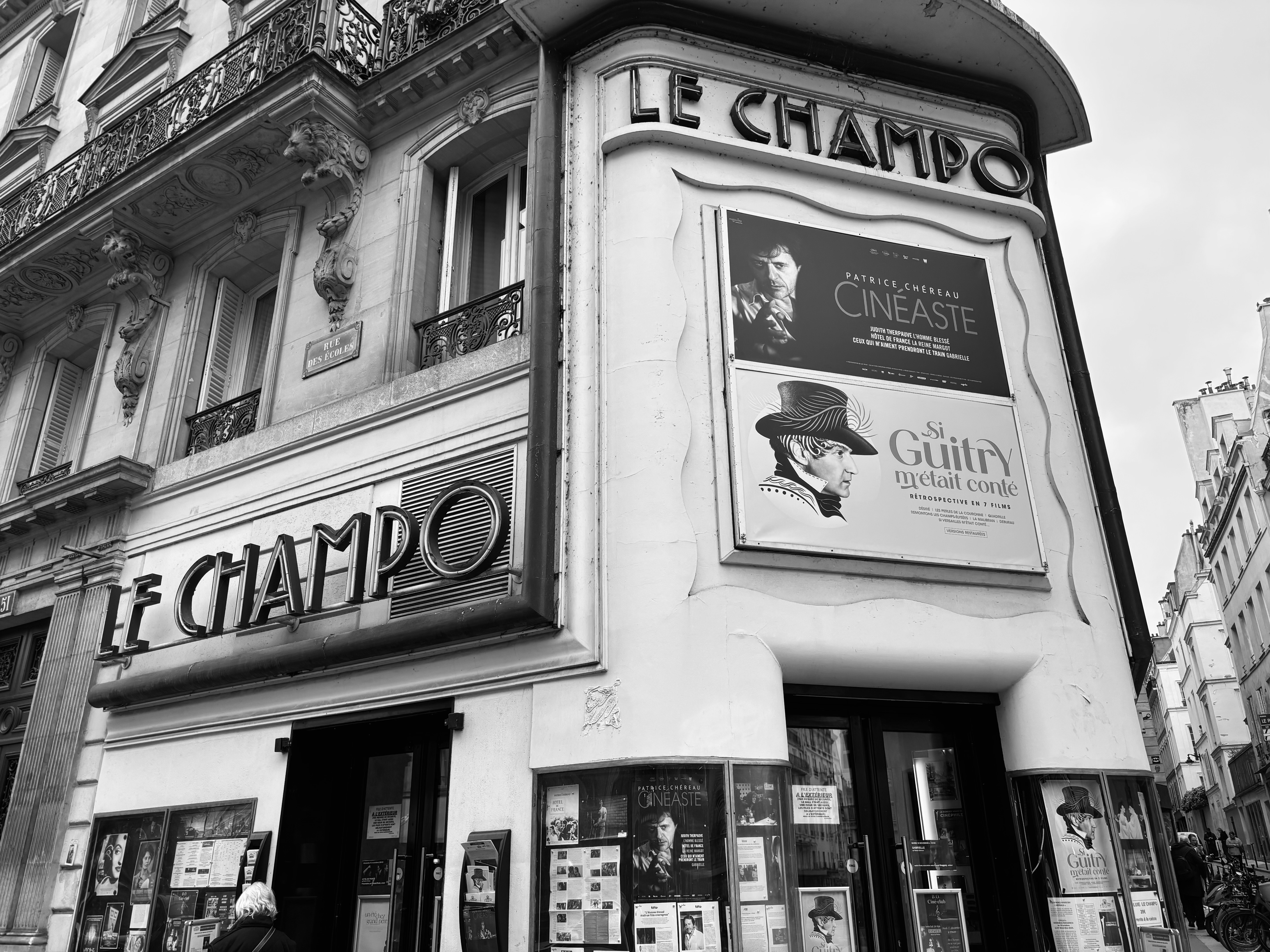
There is significantly less weight to the drama in this act because we know exactly how the movie turned out–you can simply pop into a screening of Breathless at the Filmothèque du Quartier Latin to confirm this. When we arrive at the end of the story, the true purpose of the film and its telling is spelled out in only a few little title cards describing the importance of the film and its impact on the art form. It left me wondering, why did I need to sit in the theater for almost two hours to be left with anecdotes that could just as easily come from a cursory wikipedia search?
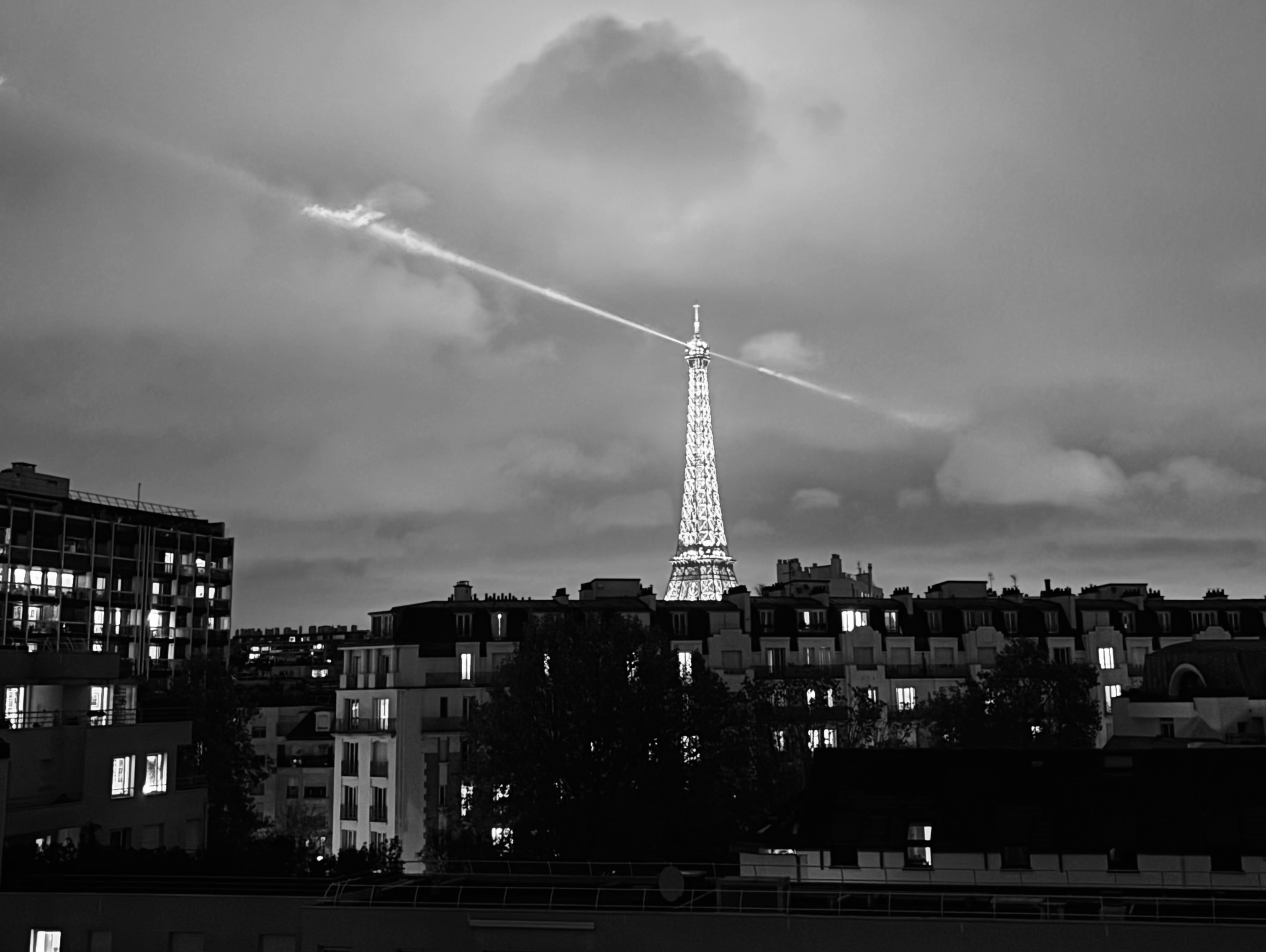
The answer is obvious to those who simply love the movies: you got to hang out with your New Wave buddies in the intervening time. Like our images of Paris in the mind’s eye, the images of the New Wave are perhaps better captured in black-and-white photos. But to immerse yourself in them is to understand why those photos carry so much weight. Sure, you could print a photo of the Eiffel Tower and hang it above your bed, but until you have stood at its feet and gazed up to its seemingly endless peak, you do not appreciate its beauty. The same goes for artistic genius: until you spend a movie’s runtime as a fly on the wall in all that chaos, that inspiration, and that risk-taking, then you can’t fully appreciate the final product.
Nouvelle Vague is a delightful way to spend 106 minutes, despite it amounting to little more than a guided tour of a day a film industry gone by. What conclusions are we meant to draw from it? That a deep-thinking jerk (or a gaggle of them) managed to squeak their efforts through the maw of film production and the shabby result has been remembered and appreciated for generations. What is that beyond a pat on the back?
There is very little artistic torture, very few big ideas (despite what Godard blathers about between disastrous shooting days), and very little conflict throughout the run time. If you are searching for a daring study on artistic genius and all of the messiness that it rues, then you may have come to the wrong place.
If you long to live through those black and white days of Paris in the 60s with your buddies Godard, Truffaut, Seberg, etc., sipping coffee and plotting a cultural revolution, then you will surely enjoy yourself. Just remember to slap yourself back to reality when you step out of the theater and into the tangible Paris of today. Go out and find the new French New Wave (or, God forbid, make it!), rather than live in the past long after the credits are up.


