Unraveling Fast Fashion at AUP
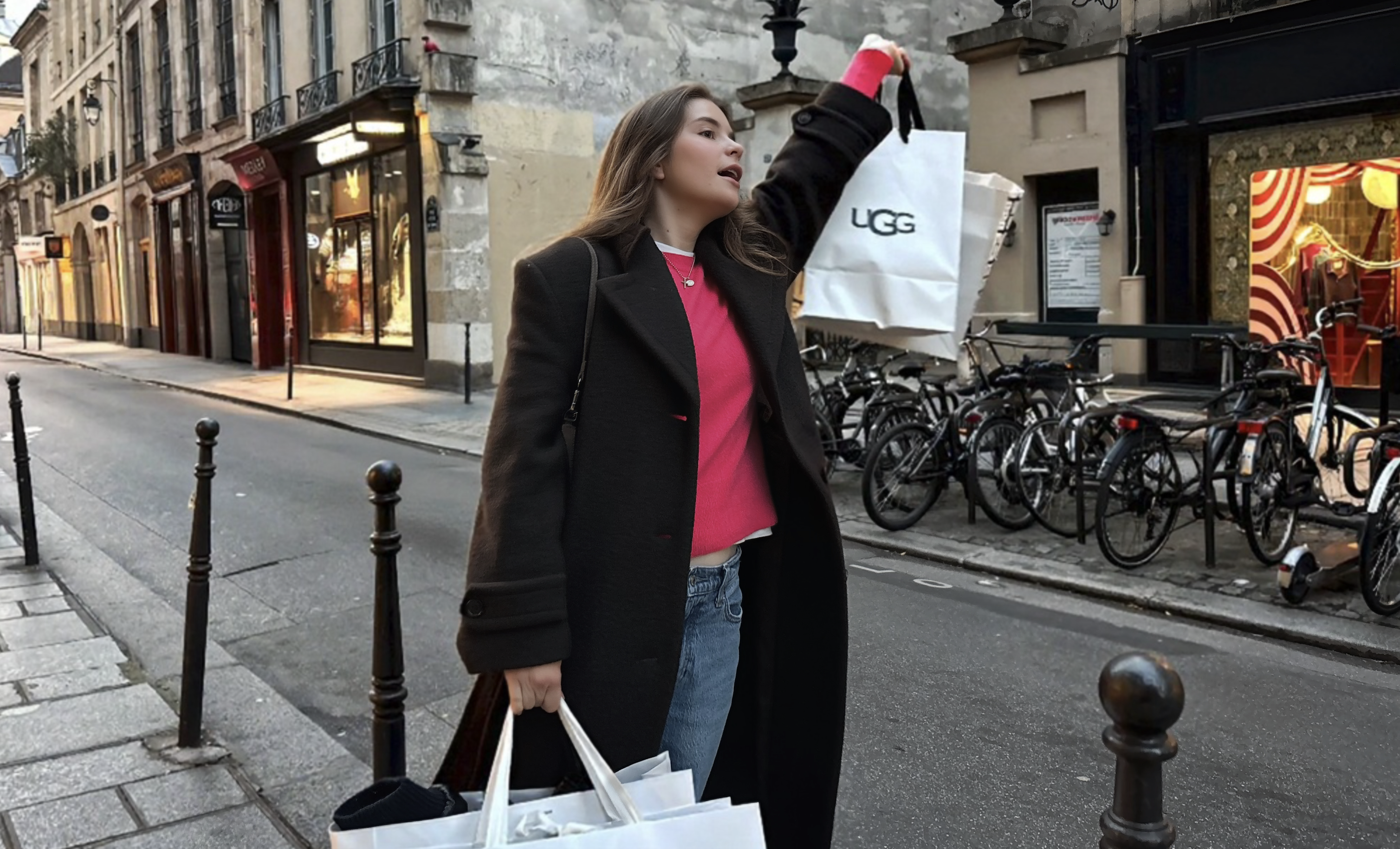
Like many 21st century shoppers, I've often been seduced by the ease of fast fashion. With trends shifting faster than ever, keeping up can often feel overwhelming - especially as a fashion student.
But I invite you to think back to your last fast fashion purchase because, lets be honest, we all have one. Did you ever look at the label? Did you question how long it would last?
Yes, this is a familiar message, and like me, you've probably brushed it off. Plastic and overconsumption rule the fashion industry... what else is new? That was my mindset too, until I took Fashion Histories and Geography with Professor Sophie Kurkdjian at The American University of Paris. In just a few short months, I’ve learned not only the history of garment production, but also how decoding material tags, thanks to insights from fellow fashion student Isabella Marrocco, have become vital habits for a healthy closet.
Fashion School and a Shift in Perspective:
When coming to AUP as a fashion student, revisiting familiar topics about the environmental harm caused by the industry was expected. These were themes I'd already encountered during my undergraduate studies at the University of California, Santa Barbara - but, they had never truly resonated on a personal level.
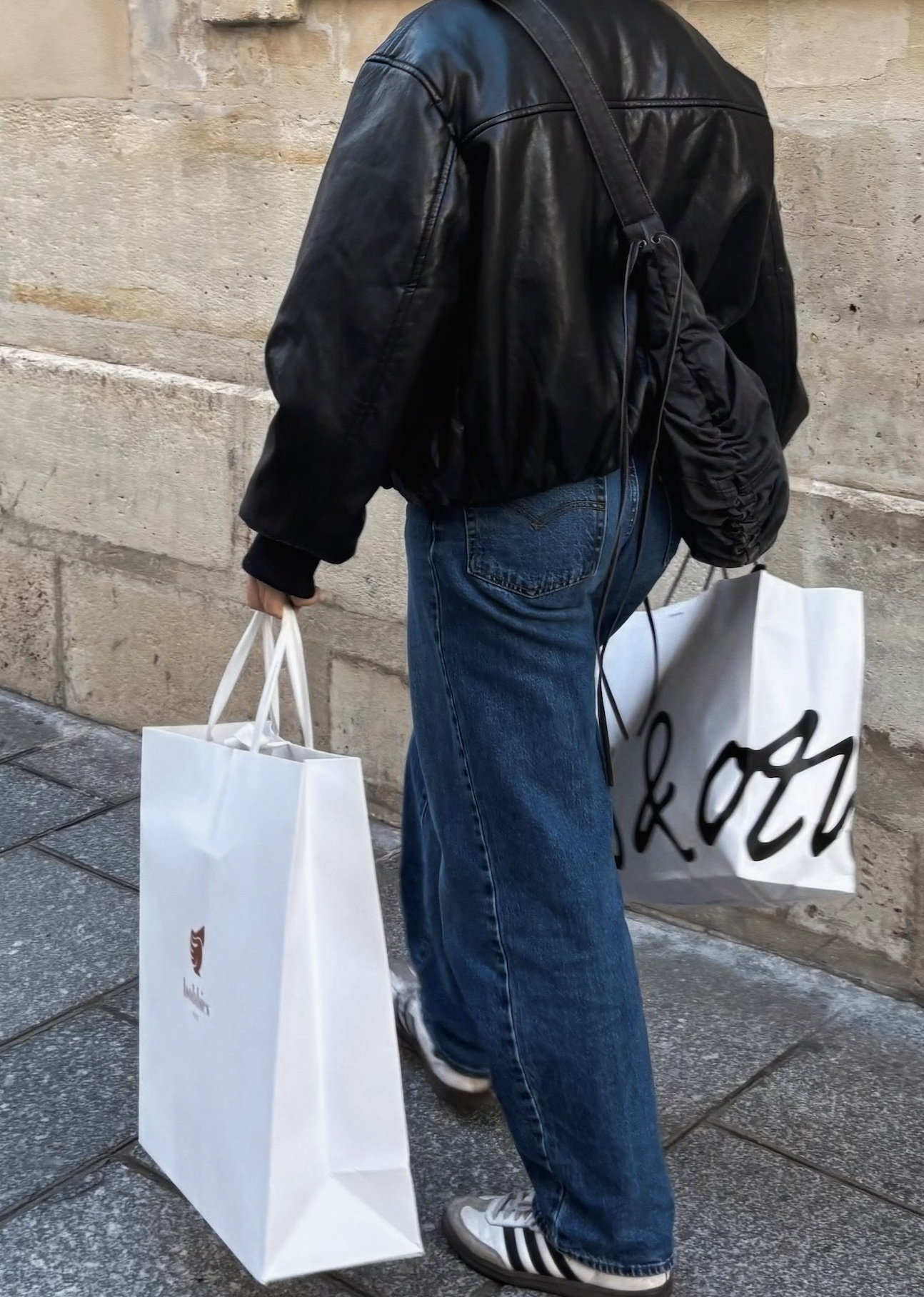
Now, just two months into my master's program, something has shifted. Being in Paris, the fashion capital of the world, comes with higher expectations for quality and craftsmanship. I still see this standard alive in the city's vintage stores and thrifting districts, particularly in the 3è arrondissement. Yet, I can't ignore what's happening on the other side of the fashion spectrum. Zara stands on nearly every corner, and Shein recently opened a pop-up within the city. And what's more concerning is that these stores are full and crowded with people ready to buy, despite the countless boutiques that make up the cities core.
"To be candid, before I came to AUP, fabrics and their quality were never on my radar" admitted Aleyna Ozcelik, a fellow master's student. "But I return to Zara because they're ahead in terms of styles and trends- and their prices are hard to beat"
That statement captures the shared dilemma. Craving creativity, yet convenience wins. When needing a new winter coat or a skirt for a themed night out, more often than not we instinctively reach for something new and affordable instead of shopping within our closets. But it hasn't always been this way.
Before Fast Fashion: When Clothes Had Stories:
In the past, clothing was made to endure. Recycling and repurposing were apart of everyday life, and garments were treated as cherished possessions rather than fleeting trends. People wore their clothes until they could no longer be worn, then found creative ways to give them new life: adding ribbons, altering silhouettes, or transforming them entirely. This practice spanned all social classes: even the wealthy repurposed garments, allowing each piece to live multiple lives.
"Recycling played an important role because second-hand fashion was a key part of everyday life" explains Professor Kurkdjian. "Most people made their own clothes or bought second hand garments at markets like the Carreau du Temple."
Today, the culture of care has been replaced by one of speed. We no longer labor over clothes; instead, we seek the instant gratification of ownership. But what are we proving if the "proof" pills after one wear or falls apart after a single wash?
"Everything has changed: we produce more, but the quality has declined" says Kurkdjian. "Mass consumption and large-scale production have become defining features of the twenty first century lifestyles. Today, clothes are often seen as 'objets jetables' - items to buy, wear (or not), and garments, especially since sewing has become less common, and fewer are familiar with traditional crafts such as couture, embroidery, or knitting skills that were once widespread among women in the past"
Why Is Quality Not A Concern Anymore?
That is the question I asked both Fashion student Isabella Marrocco and Professor Sophie Kurkdjian.
"The notion of luxury today differs significantly from that of the past" explains Kurkdjian. "Once, luxury was synonymous with craftsmanship and longevity; today, it often feels like another form of fast fashion driven by logos and marketing rather than artistry"
Isabella feels that shift too. "With prices rising across the industry, I do not want to replace my clothes every few months," she told me. "I want to create a capsule wardrobe that I can pass down but it seems quality clothes are now hard to find."
Fellow fashion student Lily Healy decided to put this to the test — and where better to look for quality than designer... right?
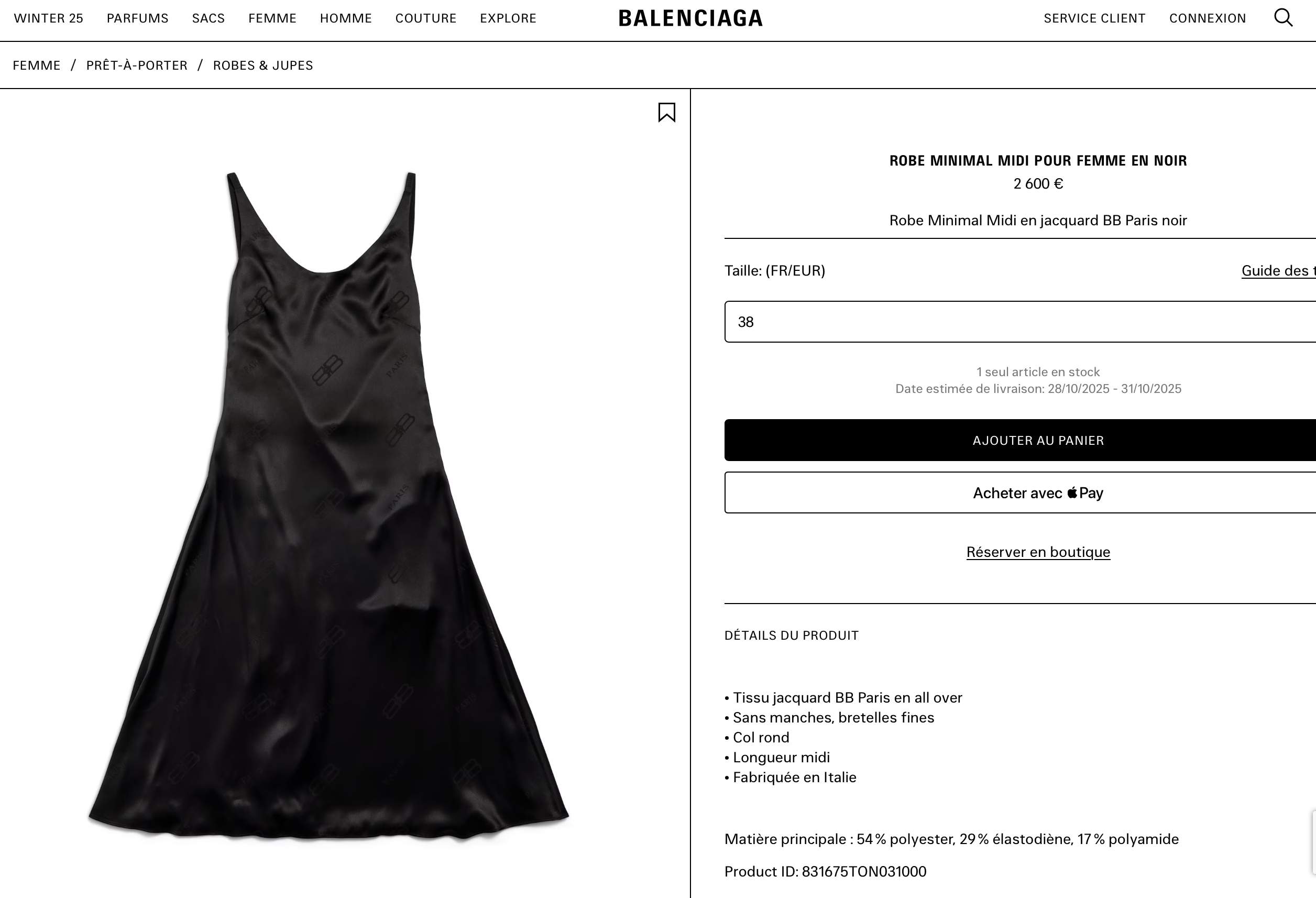
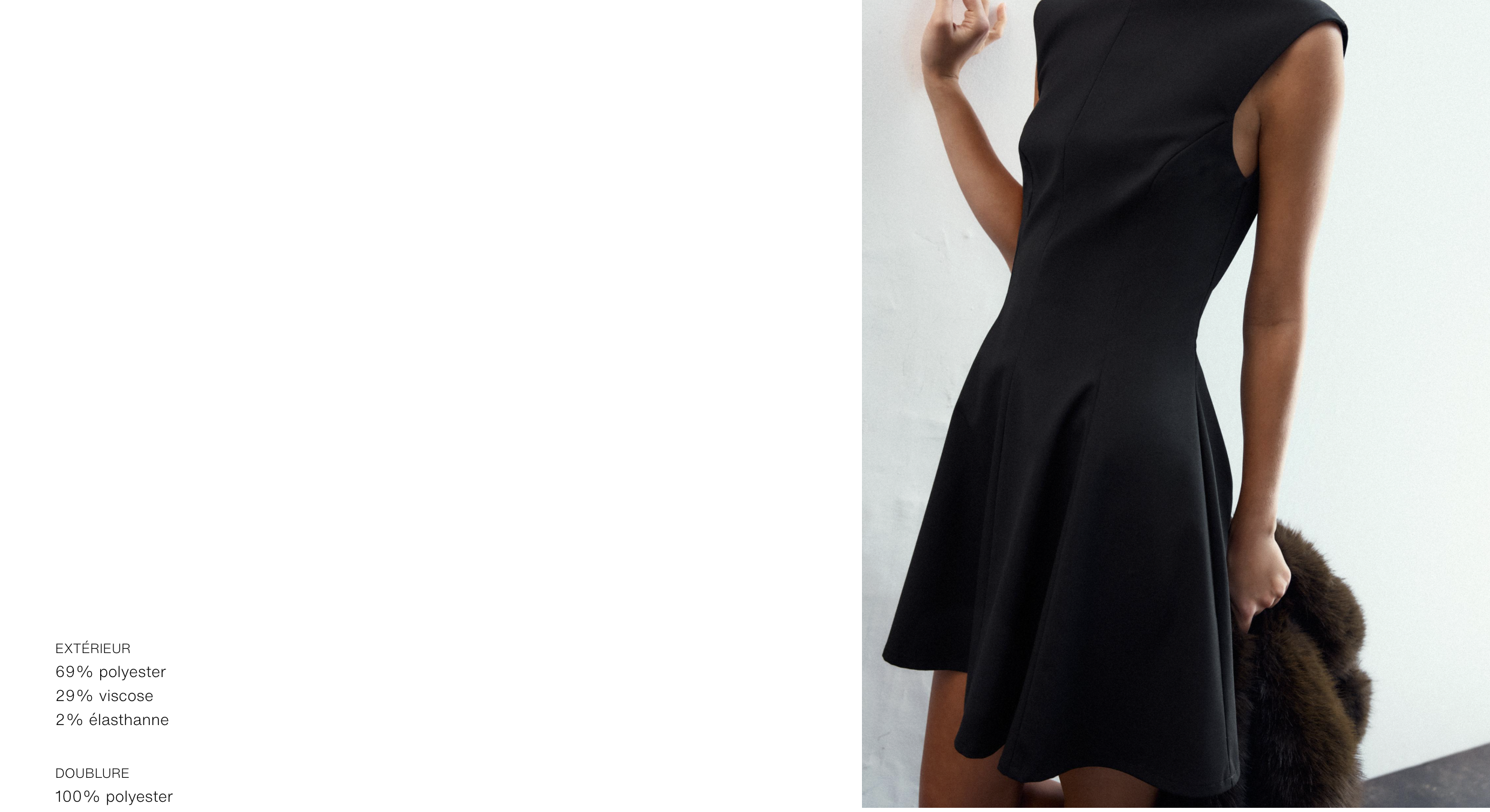
She compared the quality of modern luxury pieces to those from the 1990's to the early 2000's, browsing sites like Balenciaga and Margiela. The results were disheartening as a Balenciaga dress priced at 2,600 euros was made of the same synthetic fibers that make up a dress at Zara for 50 euros.
How to Shop Smarter:
So now what? That is the question that lingers. After learning about the consequences of fast fashion, how can I stop contributing to the problem and be apart of the solution?
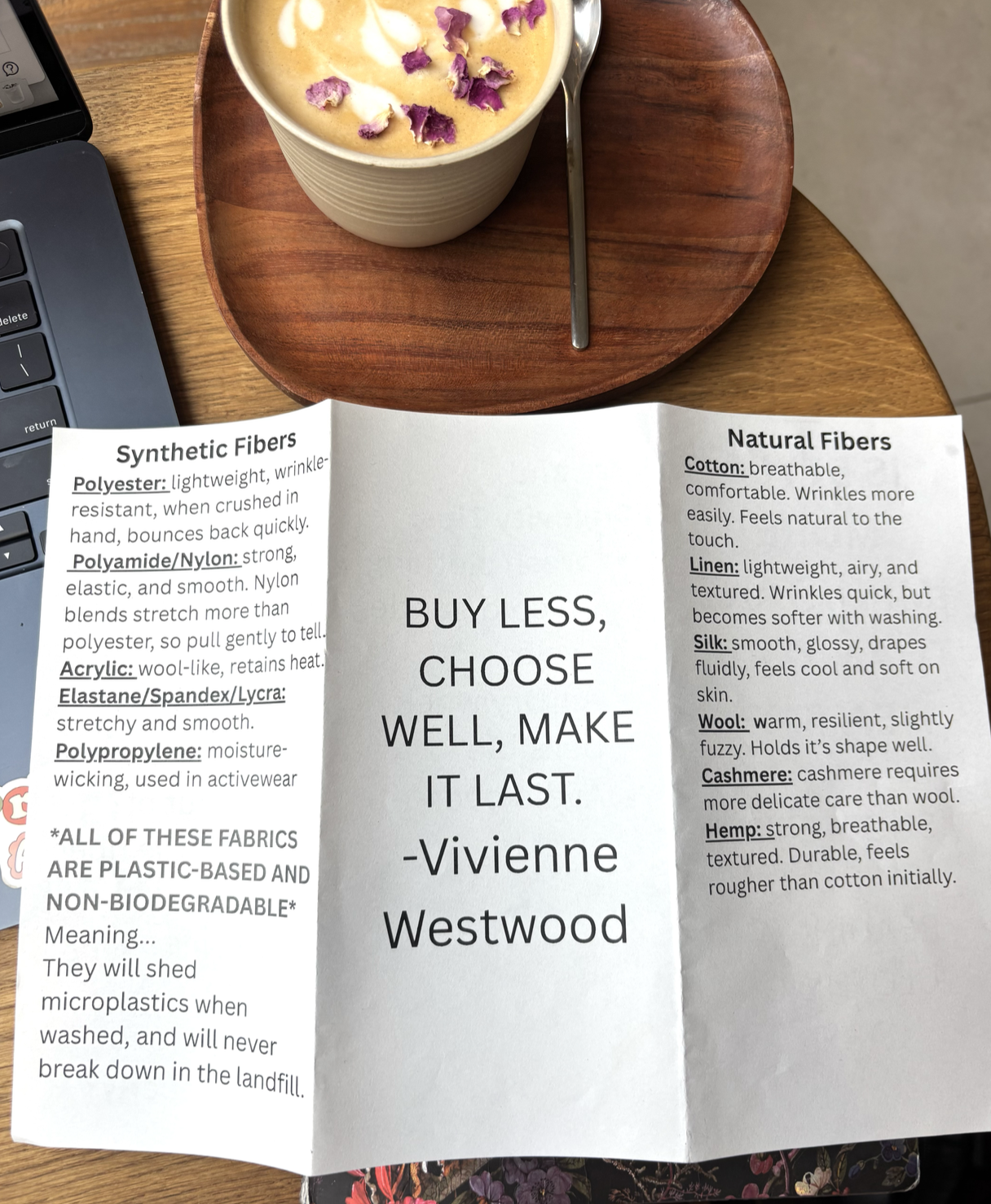
One answer came through conversations with peers. Isabella shared her personal rules for shopping more consciously, starting with learning about fabric composition. "There are two main fibers that are used when manufacturing clothes, synthetic fibers and natural fibers," she explained. "Synthetic fibers are made up of various forms of plastic and that includes polyester, rayon, and acrylic. Natural fibers come from the Earth plant and animal byproducts like cotton, linen, wool, and silk."
Next comes reading the label. "I check for the fabric composition first, and if it's majority natural fibers like 80% or above, thats a good sign even with synthetic fiber mixed in," Isabella said. "However, if a product is completely made up, or only contains a small percent of natural fiber, I wont purchase it. Not only because of the environmental impact, but because plastic is not good for our bodies. Our skin is the largest organ in our body and should not be continuously exposed to plastic."
For Isabella, shopping smart doesn't always mean breaking the bank. "As I've gotten older and more conscious about the products I am consuming, I tend to shop smaller brands. However, a constant for me has been Brandy Melville and Uniqlo, surprisingly. I understand their controversies, but I can always find 100% cotton tops and bottoms, 100% wool sweaters, and linen products for affordable prices." It is all about shopping consciously.
And for those who struggle to remember what to look for, Lily Healy even created a pamphlet to help consumers make more informed choices.
Being Conscious:
If there's one thing I have learned at AUP, it's that awareness changes everything and putting awareness into what we consume is key. Understanding how clothes are made by whom, from what, and under which conditions forces us to look at our closets differently. Change won’t come from the industry overnight, but it can start in something as small as a clothing tag—and the choice to read it.