
The Art of Perfume
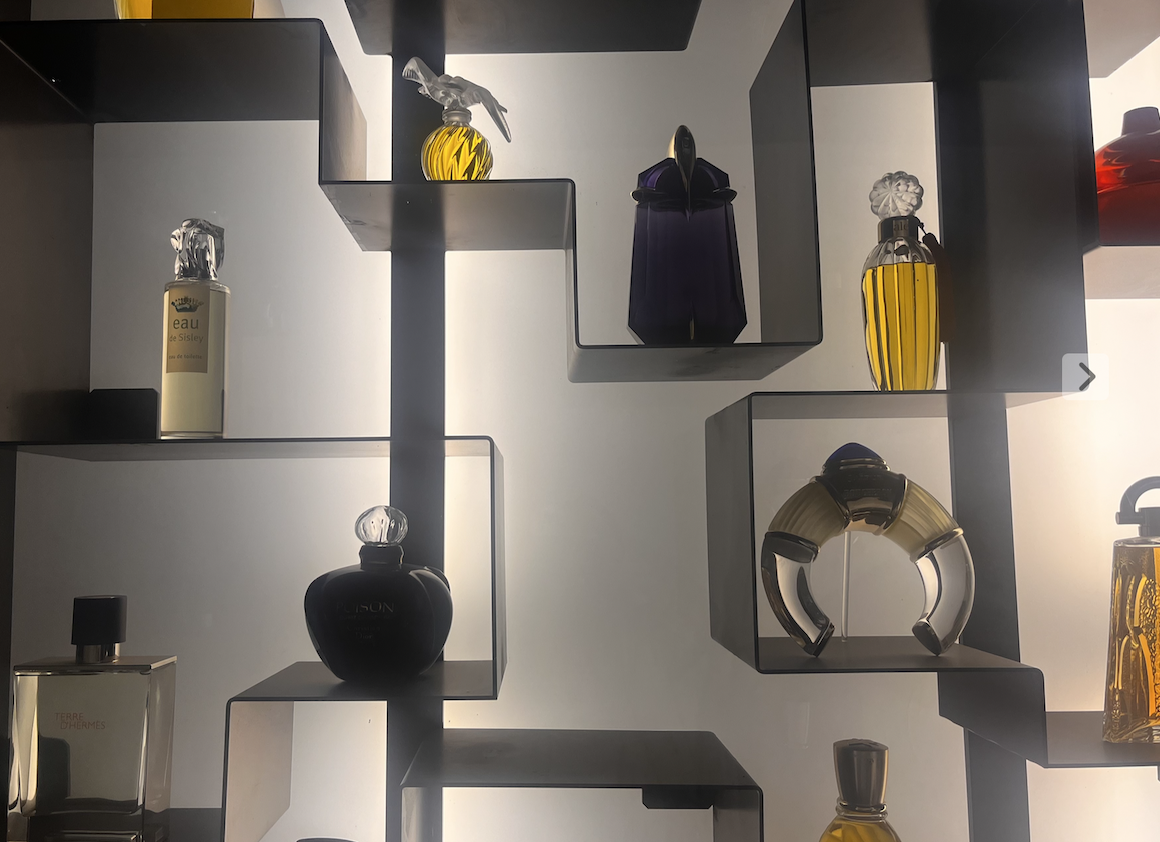
From the Egyptians to the French and beyond, perfume has remained a reflection of culture, history, and behavior. It extends far beyond mere enjoyment of scent and can also be used for rituals, communication, healing, and inspiration. Perfume, like painting or music, is a medium for expression, where each scent tells a story and holds a purpose.
Often called "olfaction," our sense of smell is one of the most intriguing and ancient of our senses. It has played a key role in human survival and development. For instance, the smell of smoke might suggest a nearby fire, while the comforting aroma of coffee or firewood can create a sense of hygge (comfort).
A Brief History
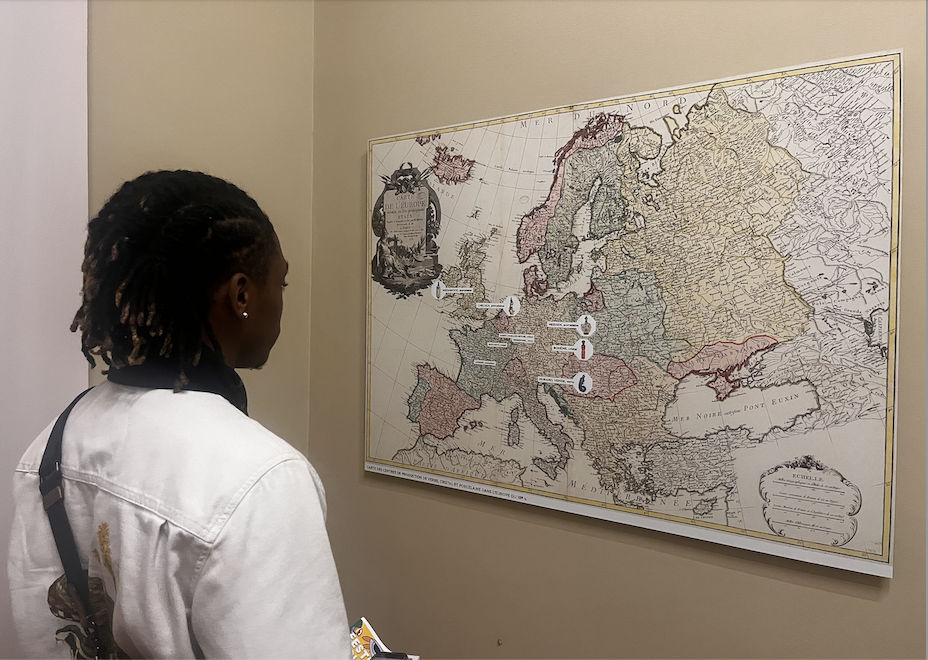
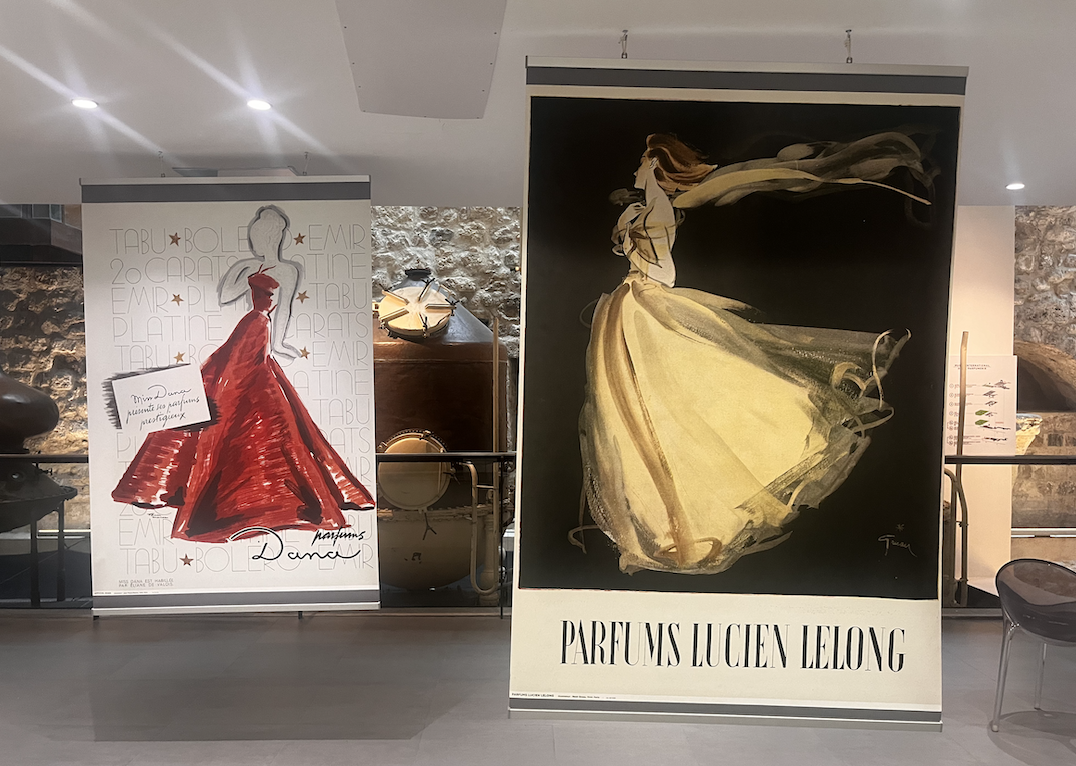
The International Perfume Museum in Grasse, a city known as the perfume capital of the world, explains that "perfumes and their uses dates back to the dawn of time, developing alongside civilisations." Perfume usage can be traced back more than 4,000 years to ancient Egypt, where scented oils played a significant role in religious ceremonies and burial practices. The Egyptians crafted fragrances from plants and essential oils, long before distillation processes existed.
These practices of extracting and mixing scents expanded across civilisations and empires, from China to Greece to Persia and the Aztec Empire. It was, to put it lightly, a booming industry. In Europe, perfume became popular during the Renaissance. Especially after the popularisation of Roman baths and hygiene rituals. The French court, particularly under Catherine de’ Medici in the 16th century, embraced the use of fragrance, which is when perfumers in Grasse began to emerge as highly talented professionals in the industry.
The Techniques of Perfume
Communication
Scent is directly connected to our emotional brain, more than any of our other senses. A smell experienced during a significant event becomes linked to our minds with an emotion, whether it is positive or negative. This is why scents have a powerful ability to unlock emotional memories.
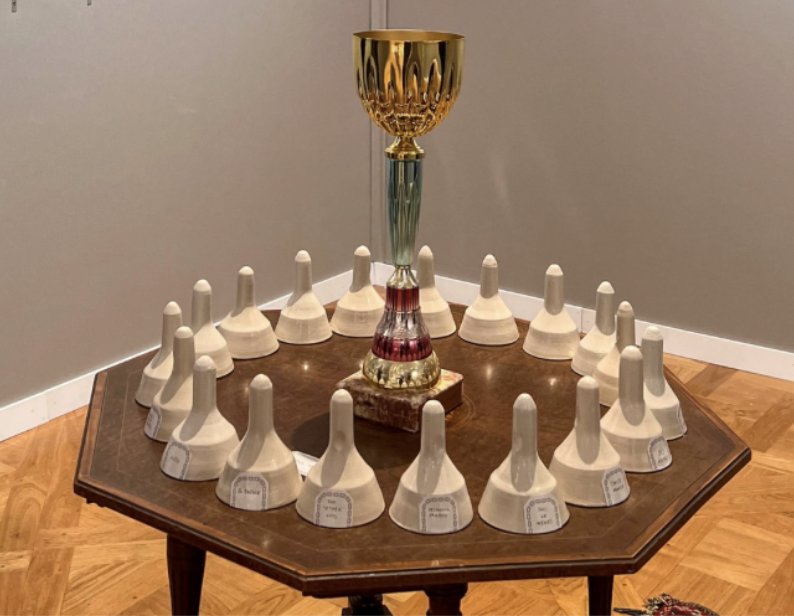
A powerful and evocative display, presented by Syagini Ratna Wulan titled Collected Fictions: Notes on Illuminance, categorises scents into potential experiences and demonstrates that scents can become identifiers and identities. The Asia Now Art Fair in October presented the work, where Ninus Andarsall accurately explained, "[by] inhaling and exhaling deeper we can always recognise who is around us. Familiar or unfamiliar, alive or not alive (fresh or not fresh), strong or weak, tired or fit, common or unique, natural or artificial, that which is authentic or that which that does not garner our attention."
Perfume is a method of communicating. When a person steps into a luxury hotel, beautiful fresh and floral smells envelop them and their emotional brain instantly connects it to experiences of luxury and relaxation. When someone walks into a job interview, smelling like body odour, that is what the interviewer will remember—consciously or unconsciously. Scent is an undeniable tool of communication.
Personal Tip: Choose a fragrance that tells your story. If your smile is your logo, your scent is your business card. Think about how you want others to perceive you, whether it is soft and rosy or warm and spicy.
Healing
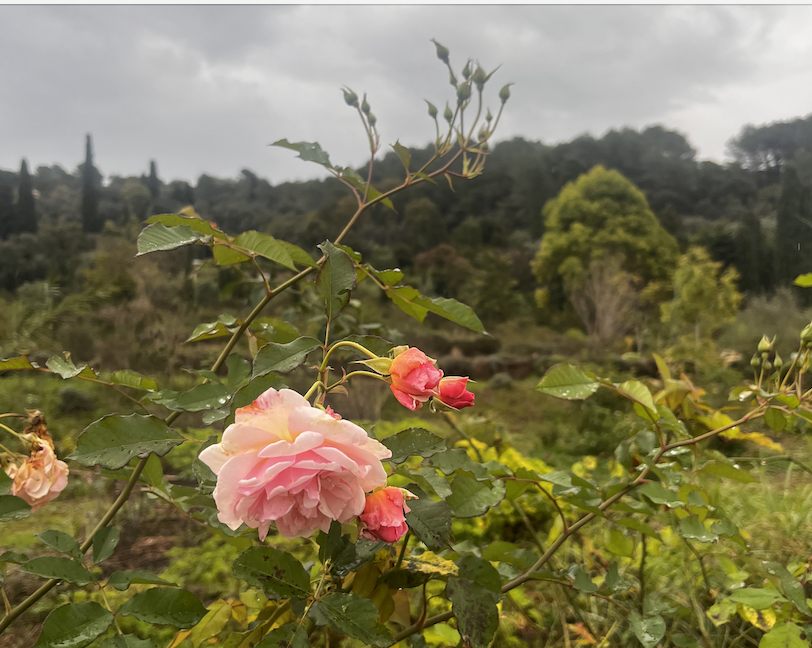
The therapeutic and restorative functions of fragrance and perfume have been leveraged throughout history. Pharmacies would, and still continue to, sell infused ointments and perfumed waters as remedies. Many people know that lavender is calming and eucalyptus is good for clearing the sinuses. Inhaling specific fragrances stimulates your nervous system. According to ABC News, research has proven that smelling eau de peppermint can physically decrease the levels of cortisol, a stress hormone, in the body.
Healing goes far deeper than what is physical. Snif.co, a perfume company, explained that scents can be used for emotional healing, too. A 2011 study by Masahiro Matsunaga demonstrated that certain fragrances can evoke positive emotions, which have been shown to reduce stress and enhance overall mental well-being. This connection between scent and emotional states suggests that aromatherapy could be an effective tool for improving mood and lowering anxiety levels. In a society that is seeking mindfulness and deeper meaning, perfumes serve for more than a random combination of good smells.
Tip: Incorporate scented self-care into your weekly routine. Hair oils, scented candles, lavender spray and more. Or, take it in a different direction and make a great smelling meal. Let smell take care of you, and it will bring you much more than surface level comfort.
Attraction
A June 2015 study conducted by Rachel Herz of Brown University, and Haruko Sugiyama and colleagues at the Kao Corporation in Japan focused on how scent can evoke memories and influence appeal. This goes far deeper than wearing rose-scented perfume on a date (although it won't harm). Humans are prone to associations, and due to centuries of linking flowers with femininity, and wood or spice with masculinity, leveraging these scents will aid in being sensual and seductive to the opposite gender.
Cosmopolitan, of course, wrote an article on the scents of seduction which explained that, primally, we are programmed to be "constantly on the lookout for the next meal," which makes edible scents like chocolate, coffee, vanilla, cherry, fig and beyond very attractive and desirable. Plus, who doesn't want to smell like a treat? In fact, Cosmetic Business wrote that the number one trend of 2024 is going to be edible perfumes (perfumes that replicate the scent of foods).
Again, scent is all in association and emotion. It is not about what perfume is worn, but how it is worn. Confidence is and has always been the most attractive feature. Whether it is fruity or spicy or smells like a vase of flowers, wearing what feels good will never go wrong.
Fun fact: According to legends, the Queen of Hungary, at age 70, used perfume in order to rejuvinate herself and seduce the King of Poland in the 1370s.
The Future of Perfume
In a statement from Galimard, one of the oldest and greatest leaders in perfume history, the perfume scents that are predicted for the future are:
For women: cherry, black current, litchi, pear, mango, peach, tonka beans
For men: coconut, green tea, melon, green apple, watermelon
The perfume revolution, which began a long time ago, became a booming industry and has no plan of slowing down in the future. From religious rites to an expanding market, perfume has evolved through centuries, carrying deep cultural significance and continuing to influence fashion, art, and personal identity across the globe. Going forward, the art of perfume will continue to innovate, with an increasing focus on sustainability and individuality. The future of perfume promises ever evolving ways to experience scent, ensuring its place in our lives for years to come.


