Sometimes You Just Need A Human

"Where have all the humans gone?" I thought to myself as elevator muzak blared in my ear. I was, yet again, placed on hold by an AI agent fielding calls for my bank back home.
This was the third time in a week that I called trying to resolve my issue. The bank had frozen my account because of alleged suspicious activity. The crux of their "suspicion" was that several purchases in my account were made in France. I'm in France! The AI agent, unfortunately, didn't understand or have the bandwidth (or the programming) to fully comprehend the gravity and nuance of the situation.
Like many students at AUP and elsewhere in Paris, it was my first semester. I had just freshly moved across the world, my first time living overseas, to a country where I didn't speak the language, I didn't have my bearings, and I was in a loop of never-ending conversions regarding money, measurements and time.
As if all of that wasn't difficult enough, I now had no access to any of my money and a plethora of urgent necessities I needed to purchase like toiletries, linens, an e-SIM, and, because it is France, after all, cheese and wine!
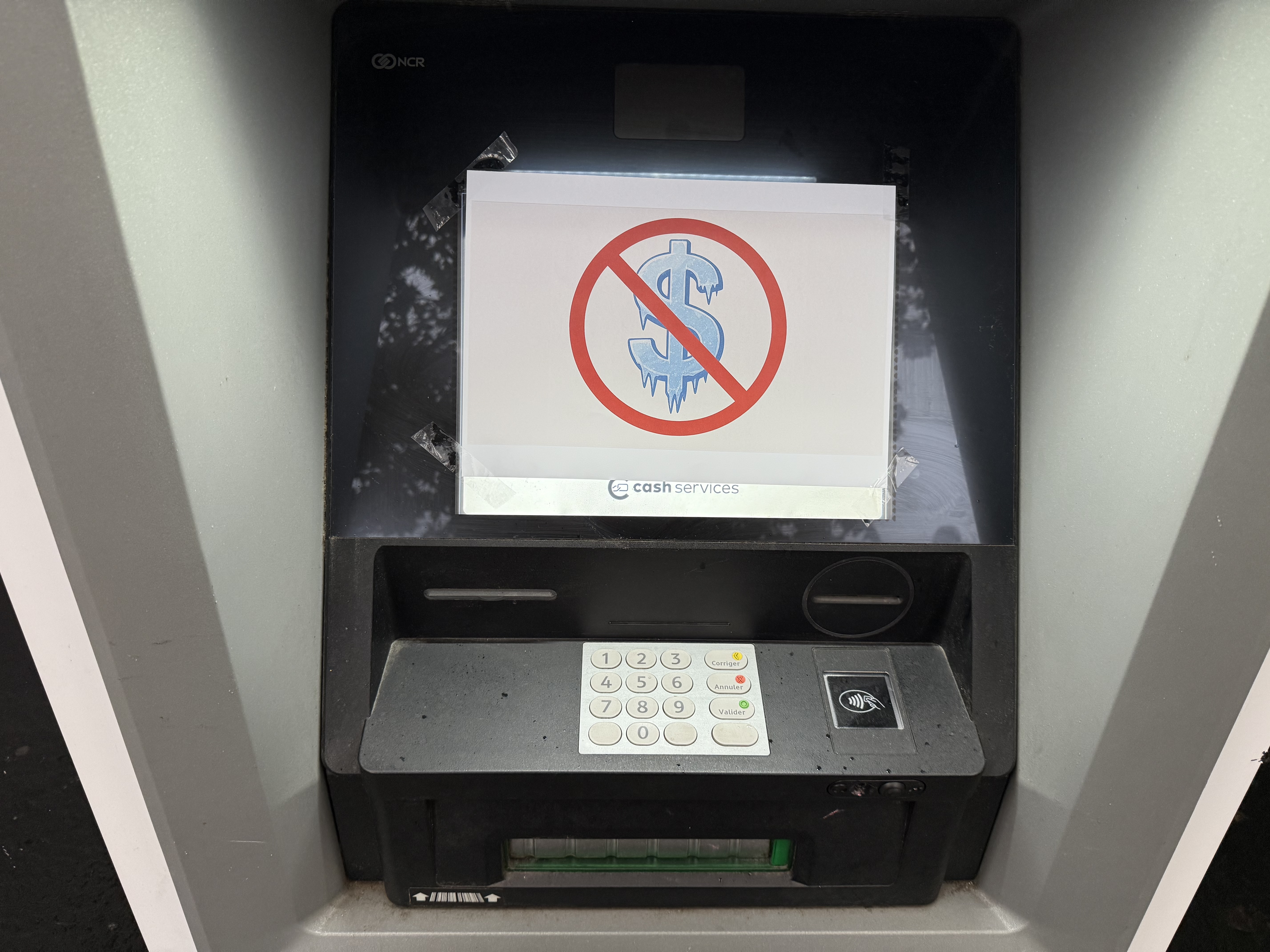
Although I fundamentally understand that AI is happening whether I like it or not, please allow me the time (converted, of course) to be a curmudgeon and complain about the kinks that need to be worked out as it continues to progress upon us all.
We are already in the beginning stages of less humans doing a multitude of jobs, which will only continue to as AI technology advances. There are few industries where this humans-for-robots exchange is more palpable than in customer service.
There was a time you could call up a company to speak with someone directly and have your question quickly answered. Now you have to go to a company's website and speak with an AI chatbot who refers you to their frequently asked questions page.
But what if your question isn't frequent? What if it's an urgent question? Then what? It seems insignificant, but the fact of the matter is that your issue will only ever be as important as the AI's programming deems it to be.
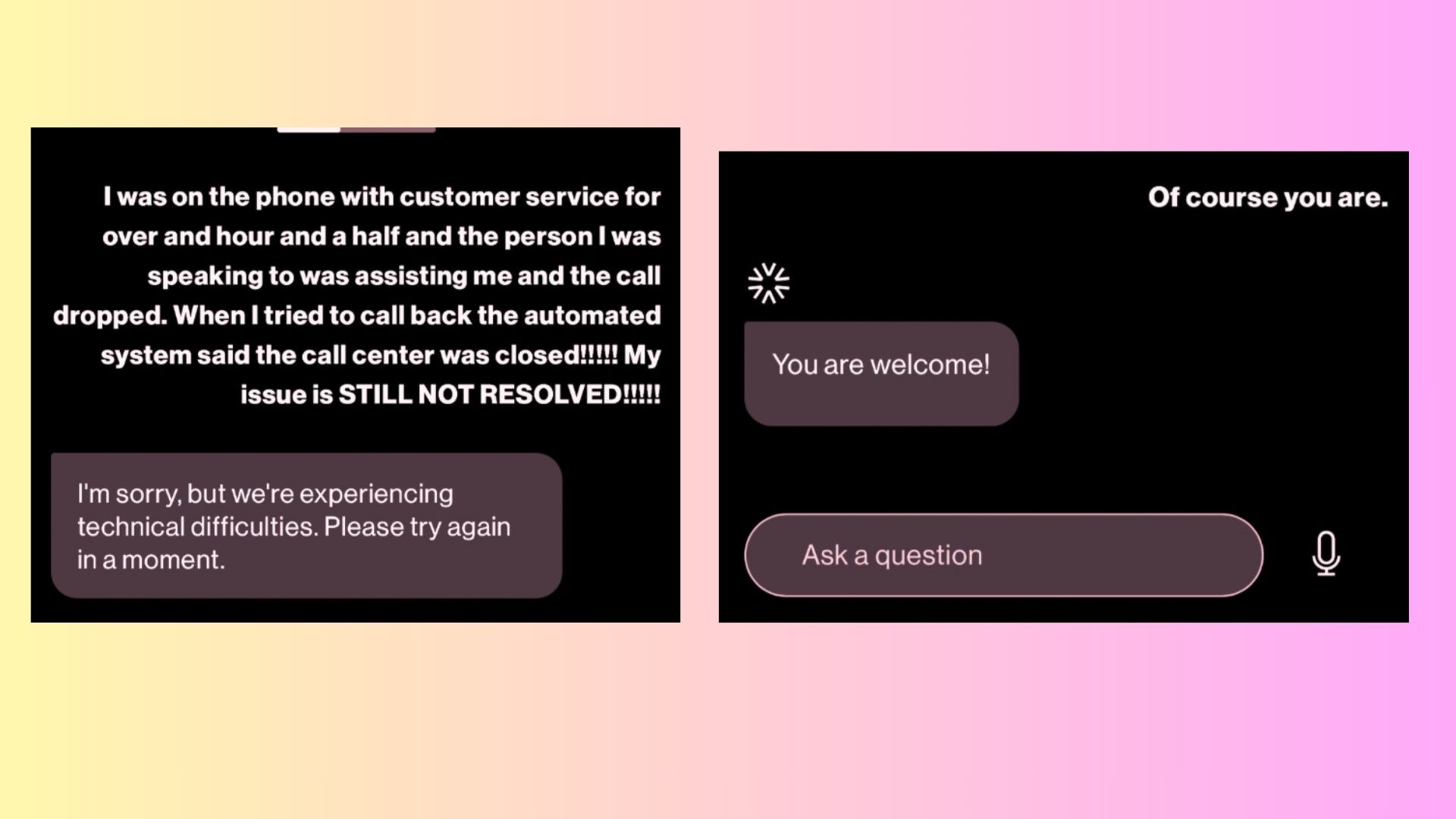
I can't fully dislike AI because I have experienced first-hand the pleasure of simplicity it can bring into your life. I think Netflix is a perfect example of AI doing what it ought to do - making things simpler for humans. Netflix's AI teaches me about new worlds and new perspectives, it makes spot-on customized suggestions for me, it exposes me to things I thought I'd hate but ended up loving and it politely checks in (while simultaneously judging me) by asking "are you still watching?". So thank you, AI. Great job on that one.
Still, some situations are nuanced and outside the scope of AI's understanding. Customer service requires the specific motivations, specialized skills, and emotional intelligence that only a human being can possess. Companies need to understand this.
Money is a great motivator
Most people have, at some point or another, been asked to complete a survey after speaking with a customer service rep. The survey is a real-time assessment of the service you've just received and is usually attached to a monetary incentive for the customer service rep. Some reps will even go so far as to ask you directly if you can complete the survey as the call is ending. I'm always happy to complete a survey after receiving helpful service.
It feels like giving a tip at a restaurant; both parties leave the interaction feeling a little bit better. It's wonderful because the customer service rep is incentivized to go into each call with a desire to solve the customer's issue and to give their personal best.
AI cannot be incentivized to do its personal "best" because it doesn't have one. It will do what it's told or programmed to do regardless of whether what it's told to do is actually helpful to the customer, and that is the problem.
Tricks of the trade
A lot of businesses overestimate the reliability and accuracy of their systems. I think this overestimation is the principal cause of half of their customers' frustrations.
They often have AI chatbots refer customers to FAQ pages, to search through a sea of prompts like "Why was my card charged twice?" or "Where is my refund?". Reading an explanation of why your issue is occurring versus speaking directly with a person who can actually solve your issue are two entirely different experiences. That's why humans are imperative in customer service.
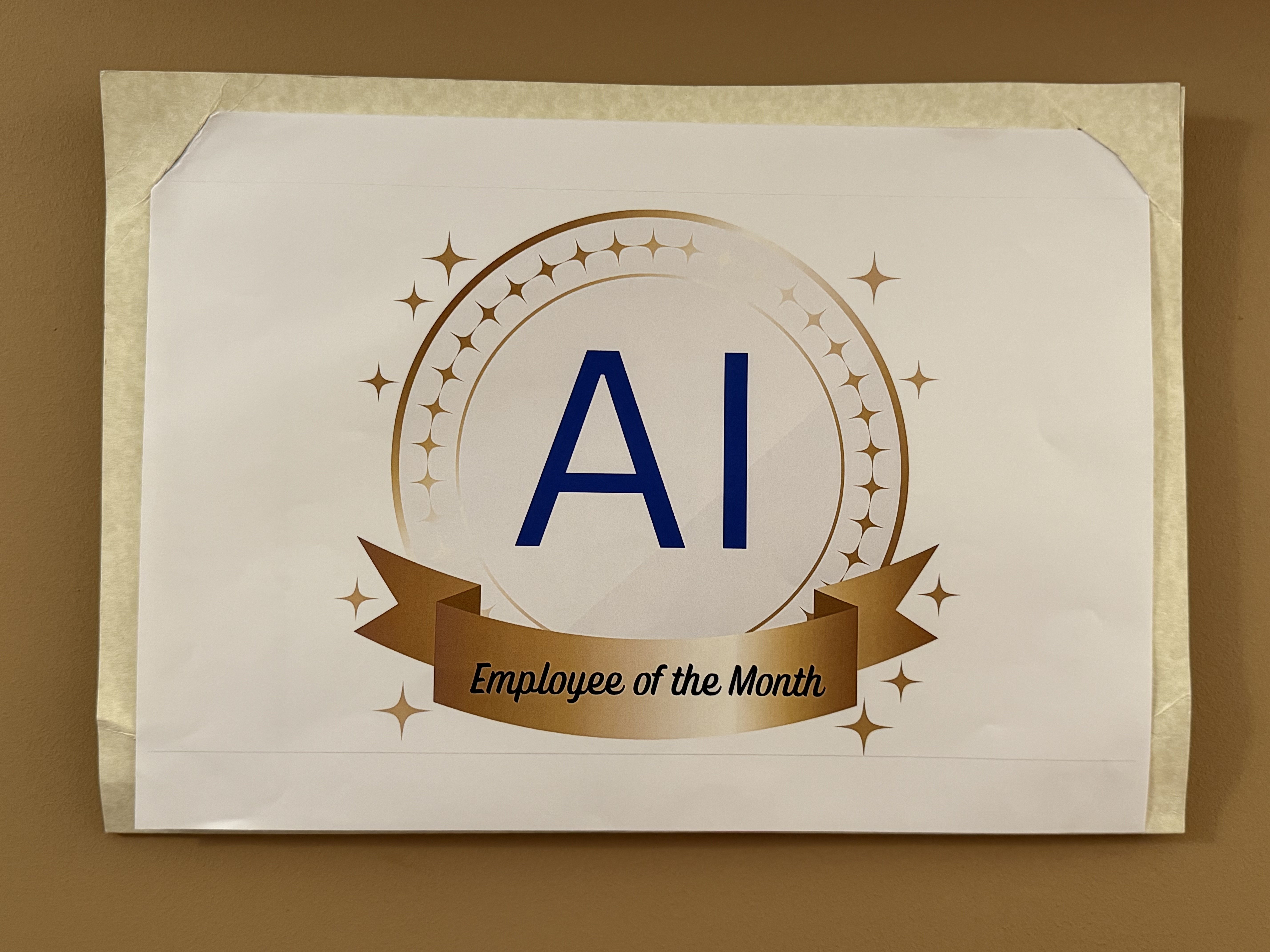
Human customer service agents come with a wealth of knowledge, including back-door work-arounds and general tricks of the trade that only a human being working that specific customer service job would consider and know how to implement. More often than not, customer service reps tend to know things outside the scope of what management tells them to do. That experiential knowledge is priceless and is not easily replicated within a technology that is being fed every one of its directives.
As a customer, I want my designated customer service rep to do whatever they deem necessary above (or below) board to resolve my issue. Doing so makes me want to continue to do business with a company. It makes me want to add more things to my cart. It motivates me to sing the company's praises to friends and family. Why is that so hard for some companies to understand? There is growing dissatisfaction with AI customer service (it's not just me) and, thankfully, some companies are taking note and adjusting accordingly.
Emotion taking me over
However, for other companies, there seems to be a lack of understanding that customer service is often a necessarily human-to-human exchange.
Customer service reps serve as emotional support to customers in times of crisis. The last thing any customer wants when they're in a frustrating situation is to be soothed by a robot with zero understanding of the emotions involved. Try as AI might - and it is definitely trying, because there are all types of predictive analytics and sentiment analysis developing daily - it still falls short of authentic human emotional understanding.
If a customer is coming into a call with an irate disposition, I hardly think that a digital "person" that they are fully aware is not a human being will be able to calm them down. This is not to suggest that a customer's insults and epithets should be hurled at an actual human being, but there is an empathetic understanding and an ability to deescalate a situation that is decidedly human.
Consider the fact that humans can often fake or shield their true emotions. Companies will likely not bother to program their AI to go into the granularities of complex human emotions and emotional responses. I think that humans understand the intricacies of other humans - for better or worse - in a way that AI may never truly be able to grasp. Even if the human customer service rep is offering fake empathy to get through the interaction, they have the personhood to do it properly.
I guess I just prefer the fake empathy that only a real human can provide.
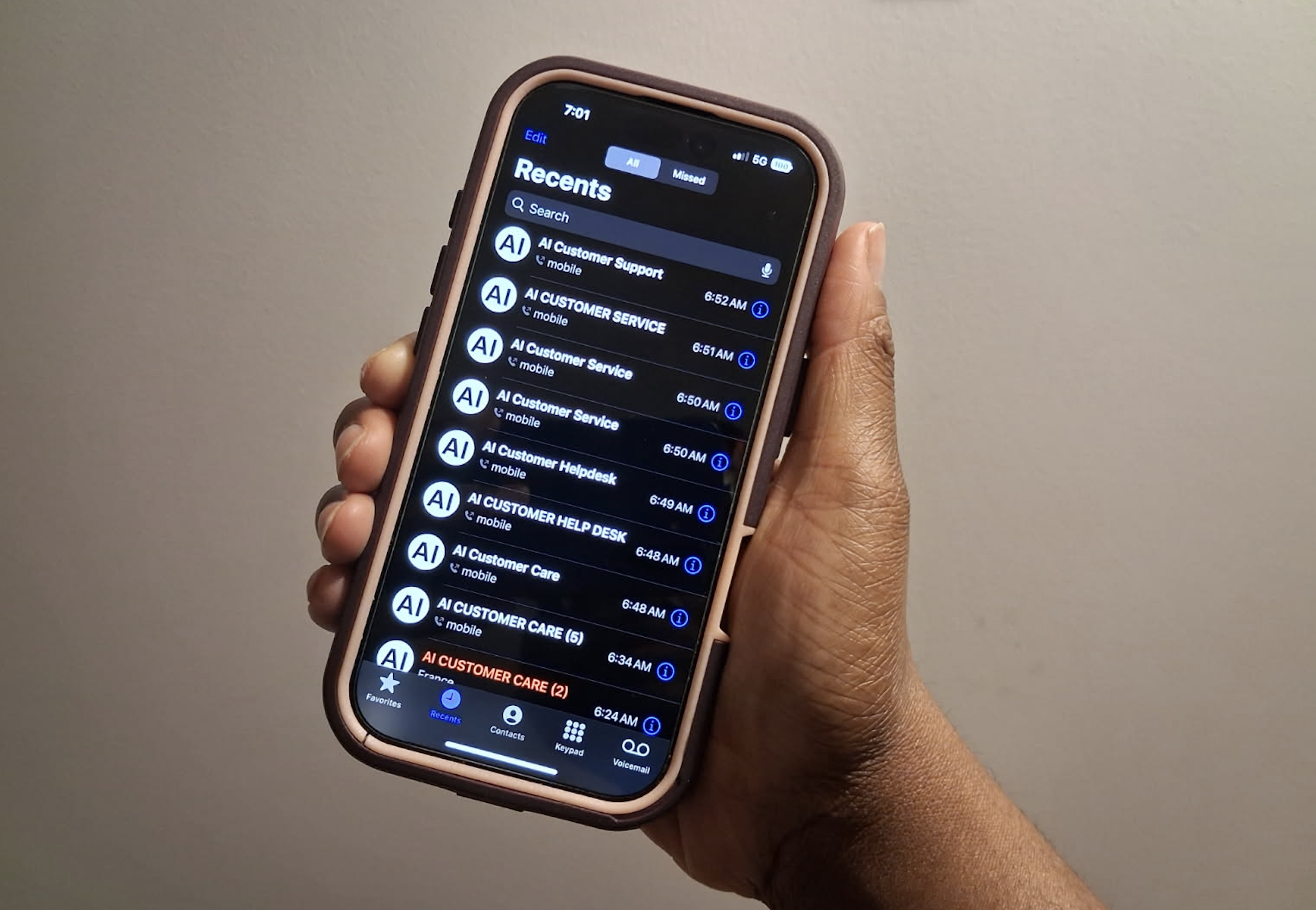
We are sold the idea that AI is inherently optimized for efficiency. But is it? I question this incessant declaration because I called my bank three times in a week and was on hold for at least 45 minutes per call. I'm also not counting the two additional calls I made where the AI agent put me on hold for over an hour, and then just dropped the call. In what world is this efficient? Luckily, I shouted insults into my phone until the AI agent got tired of me and escalated my call to a human customer service rep who finally solved my problem.
No one can deny the strengths AI clearly has, but in the context of customer service it leaves much to be desired. In a world where we're constantly being inundated with new choices, it would be nice if companies gave you the option to choose between AI or human customer service, but that's just my opinion.