Not Even Water: the Deep Discipline of Ramadan
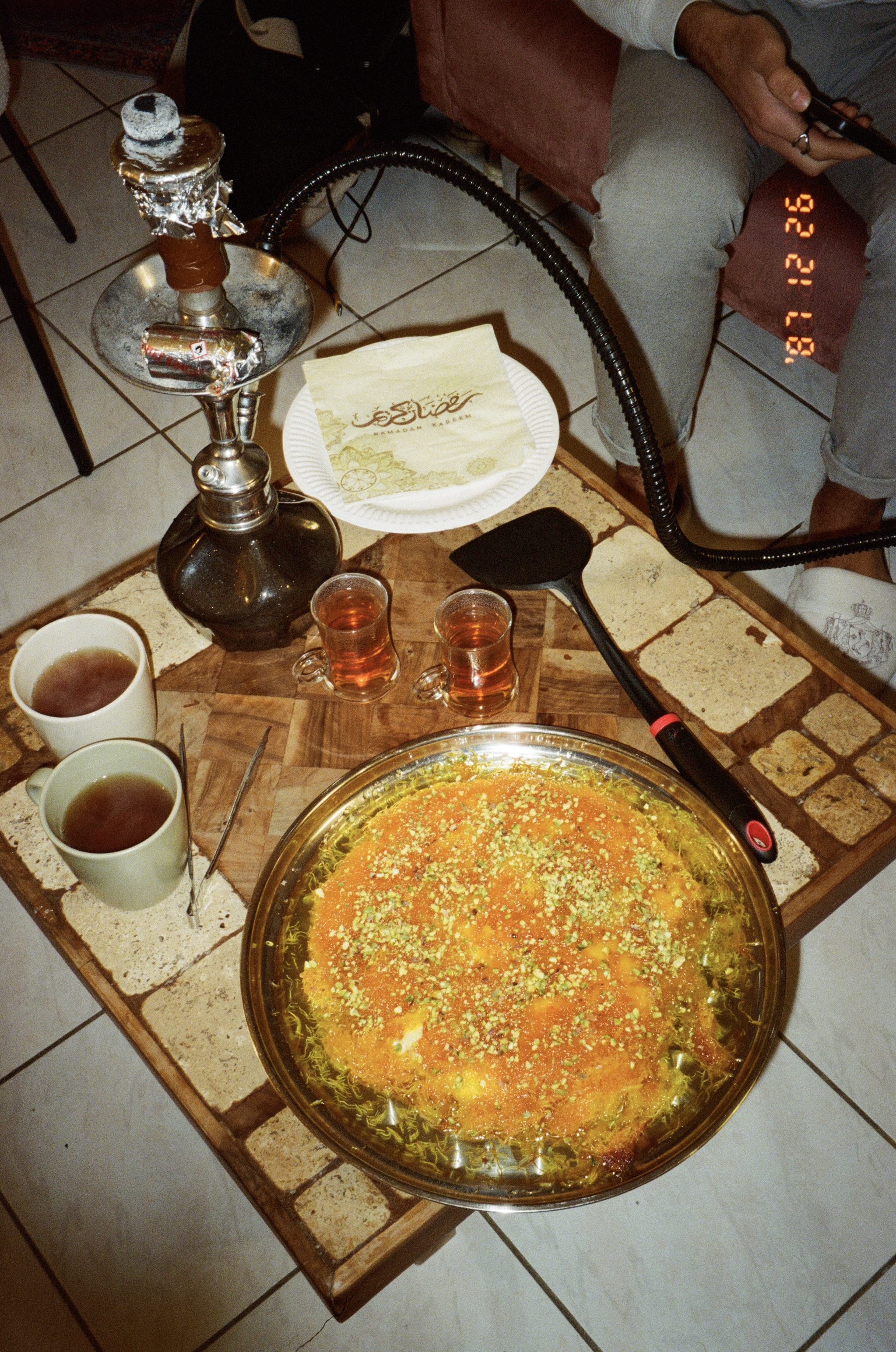
If you are Muslim, you likely have a script prepared for this time of year. It begins when someone offers you a coffee or a sip of water, and you politely decline having to explain that you are fasting for Ramadan. Without fail, the response is always a wide-eyed, jaw-dropping "Wait, not even water?!" This shocked reaction has become a rite of passage for the modern Muslim. So, yes, not even water. But while the lack of hydration is what shocks the outside world, for the nearly two billion people participating in the holy month of Ramadan, the physical thirst and hunger is only a small part of the story.
The Foundation: Why We Fast
Fasting is one of the Five Pillars of Islam, alongside the Declaration of Faith, Prayer, Charity (Zakat), and the Pilgrimage to Mecca. From the moment the sun rises (what we call Fajr) until the moment it sets (Maghrib), Muslims abstain from all food, drink, smoking, and sexual relations. Of course, there are exceptions as well; if you are ill, pregnant, need to take medications, etc.
Ramadan is the ninth month of the Islamic lunar calendar and is considered the holiest month because it commemorates the Laylat al-Qadr (the Night of Power) which is when the Quran was first revealed to the Prophet Muhammad. Because the Islamic calendar is lunar, the month rotates through the seasons every 33 years, moving back by about 11 to 15 days annually. Having grown up Muslim, I remember the grueling 18-hour day fasting during the Chicago summers 10 years ago. This time around, we are experiencing the fast during the short, chilly days of a Parisian winter. That being said, the holy month happens to be in February, predictably starting the 17th or 18th of the month. The exact date is revealed later since it is dependent on the crescent moon.
A 30-Day Character Reset
Ramadan is not a month of starvation; it is a spiritual "reset" button. The objective is the cultivation of Taqwa, which is a heightened state of mindfulness and God-consciousness. In other words, it acts as a 30-day masterclass in becoming a better human being.
The philosophy behind that is that if you can master your most primal physical urges for 15 hours a day, you prove you have the force to master your character. Fasting during this month does not mean fasting from only food. Essentially, we use the month to fast from our worst impulses such as gossip, swearing, complaining, anger and so on. And in a world of instant gratification, Ramadan teaches you this delayed version that’s needed for moral integrity. I use Ramadan as a spiritual guide to becoming a better, more disciplined version of myself. So no, it’s not just about not drinking or eating. It’s about a personal transformation, being kinder, more patient, more understanding and just a better person overall.
Global traditions during the holy month
While the religious rules are universal, the cultural traditions can be incredibly diverse. In the Middle East and North Africa, Ramadan drummers still walk the streets at 3 am to wake families for Suhoor which is the very early breakfast before sunrise. In Egypt, the streets are illuminated by Fanoos (intricate lanterns) that date back to the Fatimid Caliphate. Henna tattoos are drawn on the hands of women to mark the end of the holy month, Katayif is eaten (a specific dessert only eaten during Ramdan) and big grand feasts are shared with your friends and family.
For the younger generation at AUP, these traditions are often adapted. Being away from home means students create their own "family" Iftars. In recent years, I’ve put it upon myself to host large dinner gatherings and even often inviting non-Muslim peers so they too can learn what Ramadan is all about.
This spirit of collective celebration has been fostered within the AUP campus itself. The university has increasingly become a space where these traditions are shared with the wider community. Last year, for example, on campus AUP hosted a vibrant Eid al-Fitr celebration, marking the end of the fast with a festival of food, music, henna and cultural exchange. Events like these do more than just provide food. They validate the experience of Muslim students living abroad, turning what might be a lonely month of discipline away from family into a shared moment that invites everyone (regardless of faith) to celebrate the values of persistence and gratitude.
More than an empty stomach
Whenever someone asks "Not even water?" they are focusing solely on the physical sacrifice. They don't see the internal growth, nor are educated about it. They don't see the student who is learning to be more patient with their studies or more generous with their time or kinder with the people around them. Ramadan is a reminder that the "emptiness" of the fast is what allows for a different kind of fullness. It is a month of community and a reminder that humans are capable of far more discipline than we give ourselves credit for. The thirst might be temporary, but the character built during this holy month is meant to last a lifetime.