
The Unofficial Backstage Economy
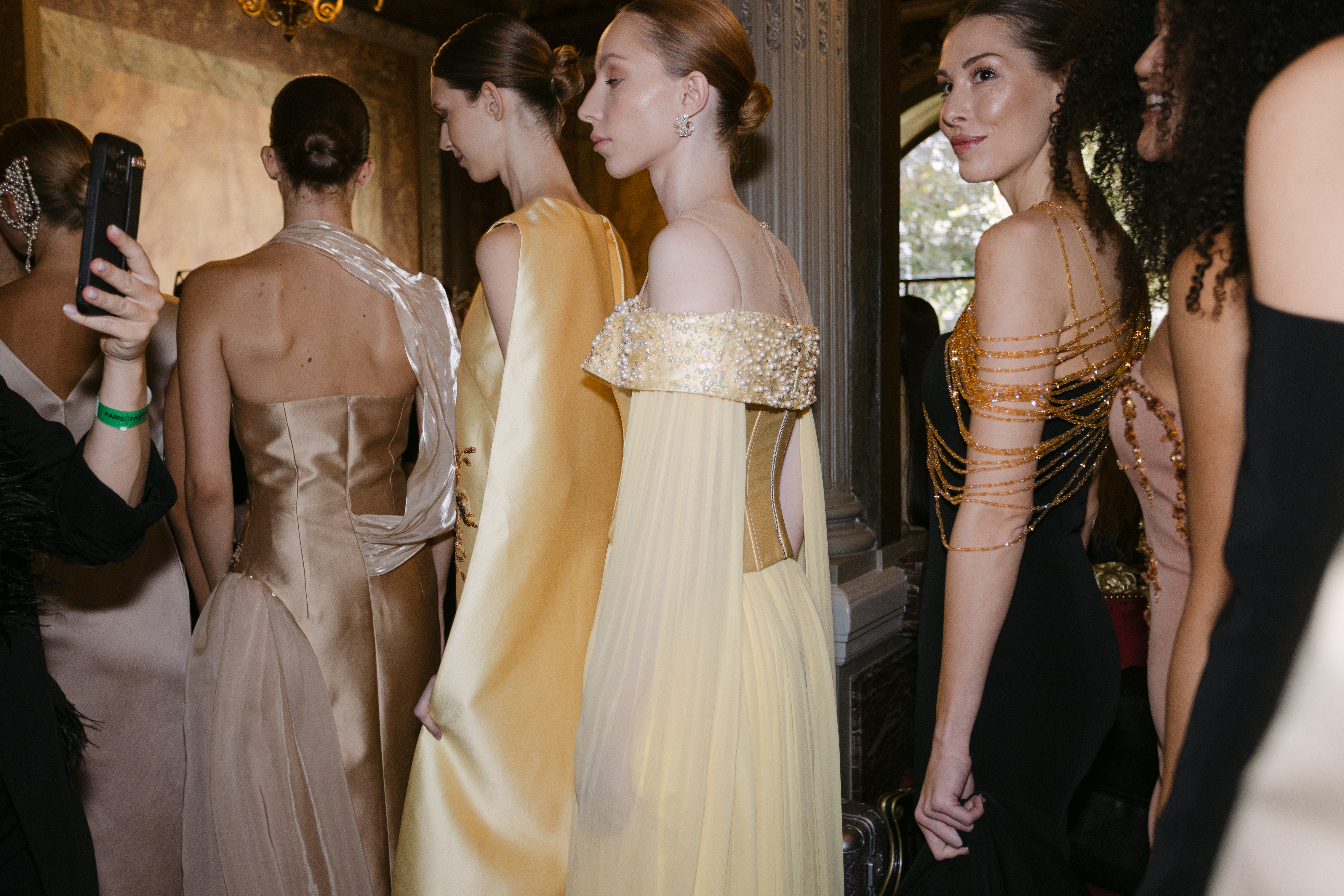
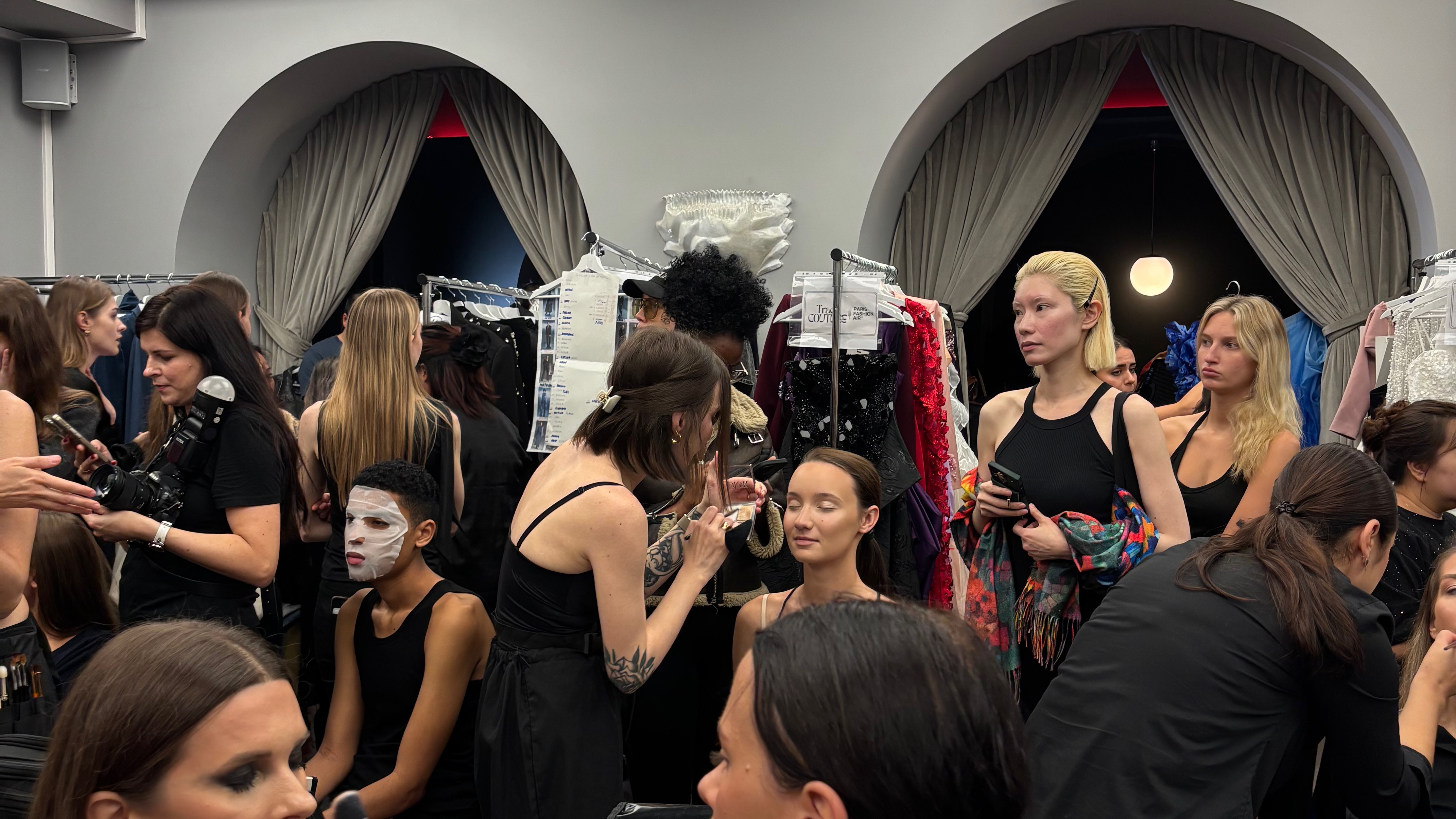
By the third show of the day, I learned that surviving Fashion Week has nothing to do with glamour and everything to do with who has gum, coffee, and safety pins. The air backstage before a show feels charged with a strong smell of hairspray, espresso and nerves. Models are perched in fold-out chairs as stylists and makeup artists swarm around them like ants. Someone's curling iron hisses against damp hair. A stylist yells out for double-sided tape before disappearing back into the sea of people. I clutch my bag in one hand and my coffee in the other, typing so as not to spill both. Behind me, I see a model trade a pack of nicotine gum for a pair of black socks, a fair trade in this world. Almost no one notices, but these tiny trades are what keep Fashion Week running.
Value Without Price Tags
Backstage, money means nothing. What truly matters is the unspoken value system that everyone instinctively understands. Coffee is worth more than diamonds when call time comes before the sun, a single charger can be your lifeline and the right concealer shade can feel like a luxury item. Each item carries fluctuating worth depending on its supply and demand. Anthropologists would call Fashion Week backstage a gift economy. It is a social exchange system where value isn’t measured by money, but by trust, timing and reciprocity. You lend a safety pin today, and next week, someone will slip you a concealer when your shade runs out.
Even industry professionals acknowledge how fragile this behind-the-scenes trade network can be. At many major shows, dozens of models and stylists work under intense time pressure. It’s common to hear that as many as 50 or 60 models rush through preparations in just a few hours. Imagine how a forgotten charger or a missing pin can throw off this entire schedule. These “micro-currencies” keep the machine from stalling.
I learned through Fashion Week that the most important people backstage are not the loudest or most glamorous. The most important people are the ones that came prepared. A hairstylist with extra bobby pins, a model with tissues, a stylist with a sewing kit. These quiet helpers keep everything running.
Who Really Runs the Show
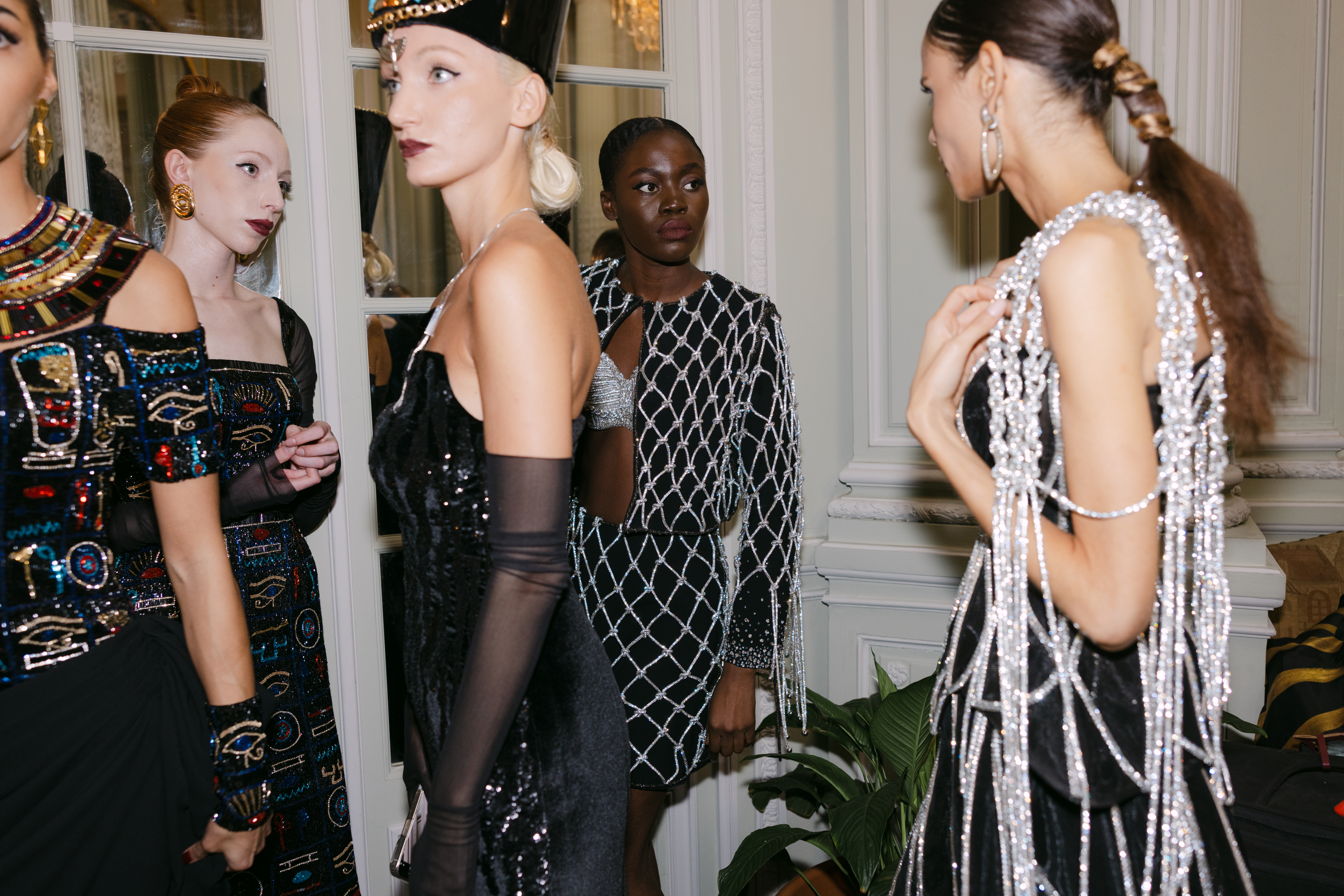
Makeup Artists are some of the top-tier traders and gatekeepers. The artists with name-brand concealers and spare foundation shades hold real power. A single pot of NARS Radiant Creamy Concealer can rotate between ten faces in an hour. According to FashionUnited, a major runway show can employ up to 35 makeup artists. Depending on the show size each artist can be responsible for five to ten models. “By the second show of the day, everyone’s sharing something, brushes, sponges, concealer,” says Lucie Moreau, a Paris-based makeup artist who’s worked multiple seasons backstage.
Then come the hair stylists, who trade in dry shampoo and curling irons. They move like a pit crew, re-curling, pinning, spraying and smoothing as call time inches closer. “Dry shampoo is like gold,” said Luba Abaeva, a stylist I met backstage.
Dressers manage the final link in the backstage supply chain. They carry the tools of garment crisis management: safety pins, double-sided tape and sewing kits. One dresser Mara Santos described her role as “a mix between nurse and mechanic.” During a ten-minute turnover between looks, she once fixed a ripped hem using borrowed thread from another team. She called it “an unspoken loan.”
And finally, there are the models, who often find themselves as traders. They lend black heels when a brand forgets sizes, pass around hair clips when someone’s style collapses and share protein bars when call times stretch into the afternoon.
Keeping the Illusion Alive
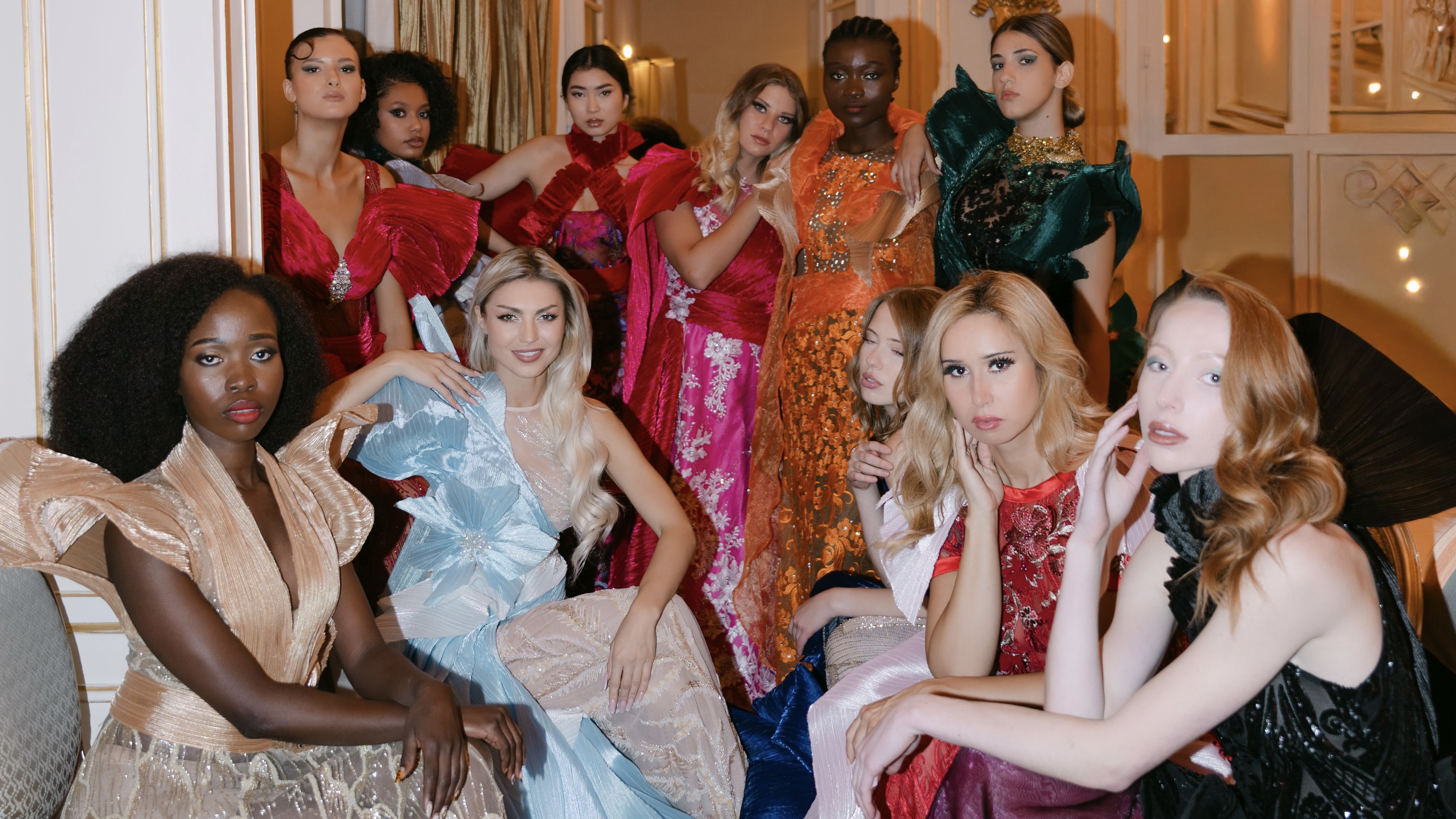
These small trades keep everything running until they don’t. When one thing goes wrong, the whole system starts to slip. At one show, a model’s heel snapped minutes before the lineup. She stood barefoot on the cold floor while three people frantically ran around looking for a size 40 in black. Amidst the chaos, a dresser offered her own flats. The kind meant for the metro ride home, not for a runway. They were a little large, but the show went on.
Backstage, there is an entire economy built on favors, everyone borrowing and improvising just to keep the illusion alive. One intern and fashion student at AUP, Briana Georgiev told me, "Routine does not exist ever, whether you are the most organized person in the world for a fashion show. There will always be backstage chaos." She said she once carried a pile of gowns up and down three flights, while the press interviewed celebrities nearby and then called it "the beauty of Paris Fashion Week." She seemed almost proud of the panic, like the exhaustion itself was a kind of badge. What she didn’t realize was that her story of the endless running, the borrowed help and the improvised teamwork was exactly what keeps the micro-economy alive. Everyone’s effort becomes someone else’s solution.
Beyond Fashion
The more I watched, the more I realized this micro-economy isn't unique to fashion. It exists everywhere humans gather under pressure. Students also trade the same invisible currency, whether it is sharing chargers before class, swapping notes for coffee or splitting Ubers when the metro shuts down.
It’s not about money; it’s the instinct to keep one another going. Fashion Week magnifies it, turns it glossy and extremely caffeinated. But beneath the surface, it’s the same logic of survival and trust. Every small trade, every favor, every borrowed pin echoes, "I’ve got you." Maybe the true luxury of Fashion Week isn’t the couture we see on the runway. It's the quiet kindness that circulates when no one’s watching.


