Snack Drawer Lost Abroad

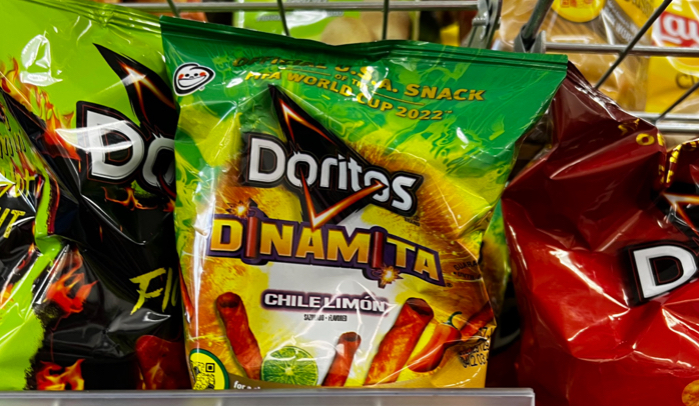
When I moved from Los Angeles to Paris, I expected the culture shock to hit me in a lot of ways: language, classes, maybe even fashion. What I did not expect was that the biggest adjustment would be my diet. Back home, my snack drawer is always stocked with Hot Cheetos, Twix bars and gummy bears. In Paris, I found myself staring at grocery shelves that felt both familiar and totally foreign, realizing quickly that a lot of my favorite foods did not exist here.
The Snack Drawer Dilemma
Part of it comes down to regulations. The European Union has stricter rules than the US about what additives and chemicals are allowed, which means some of the foods I grew up with never make it across the Atlantic. That might sound minor, but it completely changes what ends up on the shelves.
Suddenly, the snacks I had always taken for granted at home were impossible to find. I found it funny that here I was in a city known for incredible bakeries and fresh markets, but all I could think about was the missing neon-orange chip aisle. Of course, I was not the only one. My roommate crams her suitcase with American snacks every time she goes home, and another friend once filled half her carry-on with cotton candy grapes. “I literally won’t leave the states without my Chick-fil-A and Polynesian sauce”, Amber Watt, who studies Business at AUP, said. It is a small thing, but it says a lot.
Slowing Down to Savor
For many of us, studying abroad does not just change what we eat because of what is available, but it also changes what we crave. Snacks become comfort food, almost like a piece of home you can taste. At the same time, living in Europe forces you to notice how different the everyday diet is and forces you into different habits. Grocery shopping here feels more intentional.
Portions are smaller, produce is fresher and food does not last as long in your fridge because it lacks the same preservatives. That shift means cooking more, eating out less and realizing that snacking as a lifestyle does not really translate the same way.
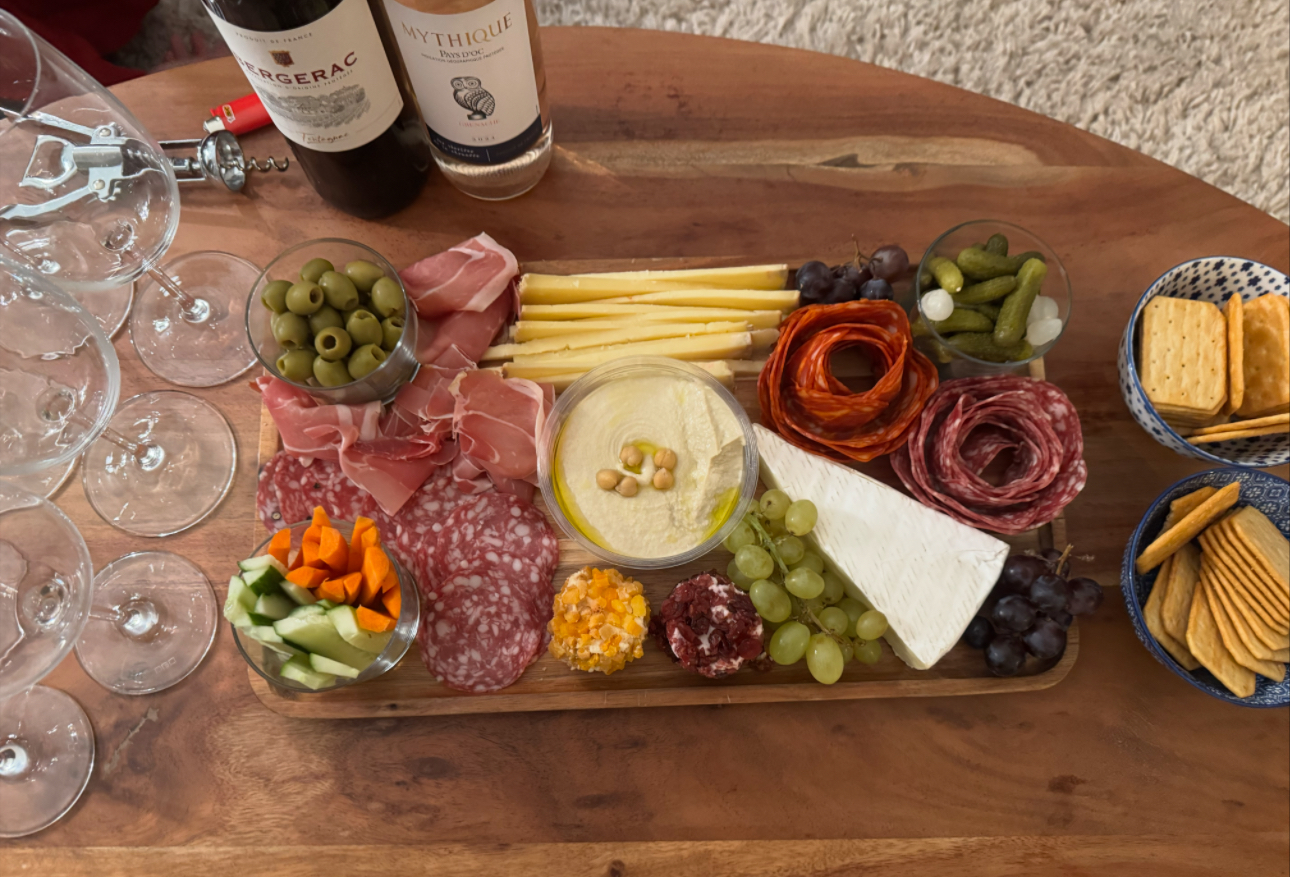
Anna Sverchevsky, who studies Psychology at AUP, stated, “I love to make little, charcuterie snack plates at night.” You are forced to eat food closer to its natural state. I found myself reaching for fruit, bread and cheese instead of processed snacks. Not because I suddenly became healthier, but because that is what was present. I still find myself craving charcuterie as a late-night snack when I go back to America.
Made With Love
There is also a cultural difference in how meals are treated here. In Paris, meals feel like events. People sit down, take their time and actually enjoy what they are eating. Compared to the U.S., where grabbing fast food between classes or mindlessly inhaling chips while studying is normal. At first, the slower pace felt strange, but it eventually became a rhythm I did not realize I needed. It made me think less about snacking all the time and more about enjoying actual meals.
Sweet, Sour and Sentimental
Still, the craving for American junk food does not disappear. When friends visit from back home, I always ask them to sneak in a few bags of snacks. There is something about tearing into that packaging that feels grounding, like a reminder of where I am from. It is not really about the taste, but about the comfort and familiarity.
Studying abroad is full of big lessons about independence, identity and adapting to a new culture. But sometimes the smaller shifts, like learning to live without your favorite foods, are just as telling. They show how much food connects to our habits, our routines and the versions of home we carry with us. Living in Paris has made my diet healthier and more intentional, but it has also made me realize that no matter how fresh the baguette is, there will always be a part of me that misses the crunch of Hot Cheetos.