Ground Control is an independent, multidisciplinary cultural hub in Paris’s 12th arrondissement at Ground Control. It brings together art, music, experimental projects, and diverse food offerings in a collaborative, noncommercial space that feels like a sanctuary from the bustling city outside, with trees, gardens, and outdoor picnic benches creating a calm, communal escape.
![]()
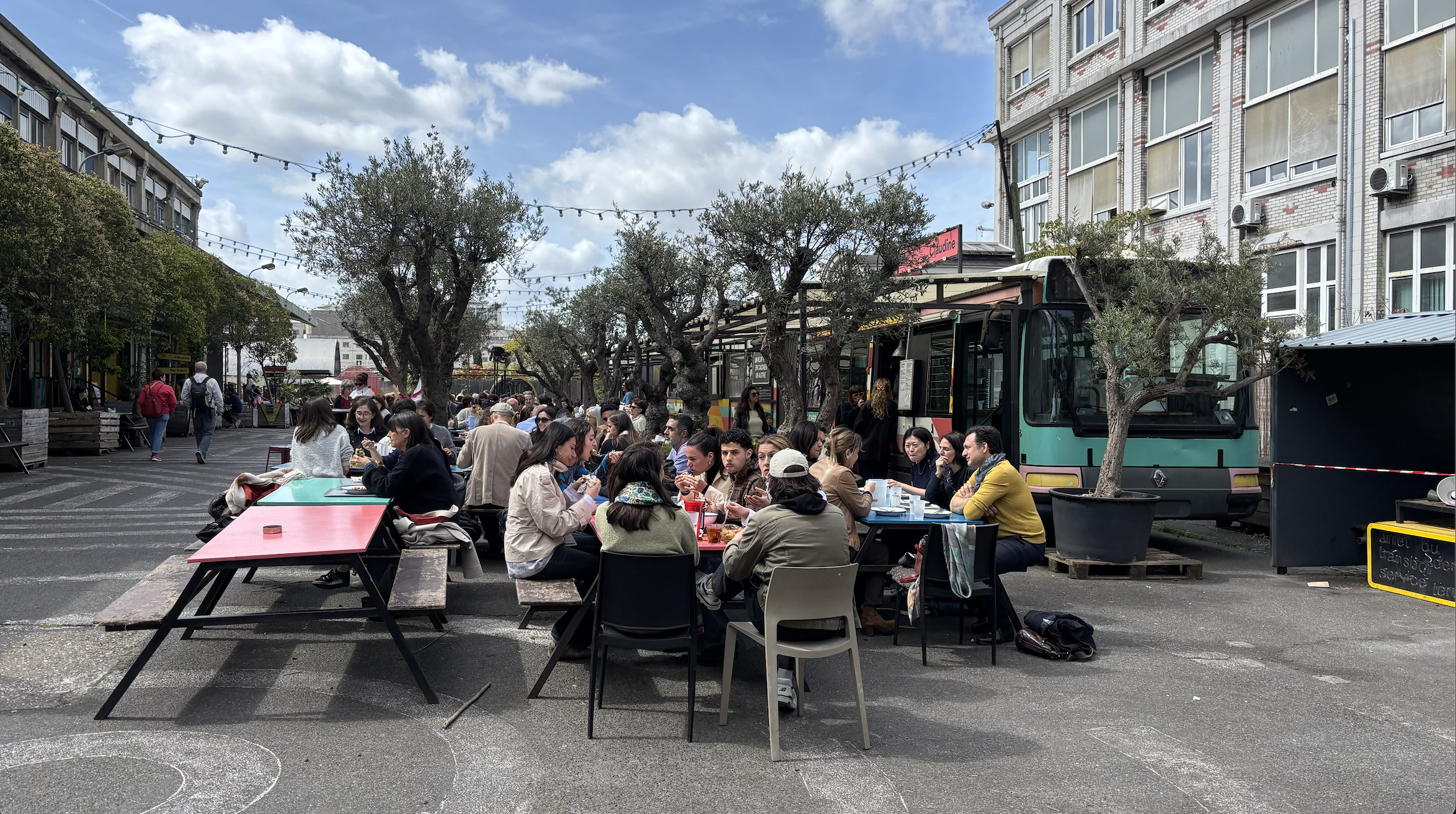
Image Credit: Ruby Hishmeh
Tucked inside Ground Control is a restaurant called La Résidence that offers far more than just a cheap lunch. The space is part restaurant, part social project, and part training ground for refugee chefs building new lives in France. Since 2018, the Refugee Food project has used it to help people gain professional experience, develop their skills, and move toward stable employment, whether in the restaurant industry or beyond.
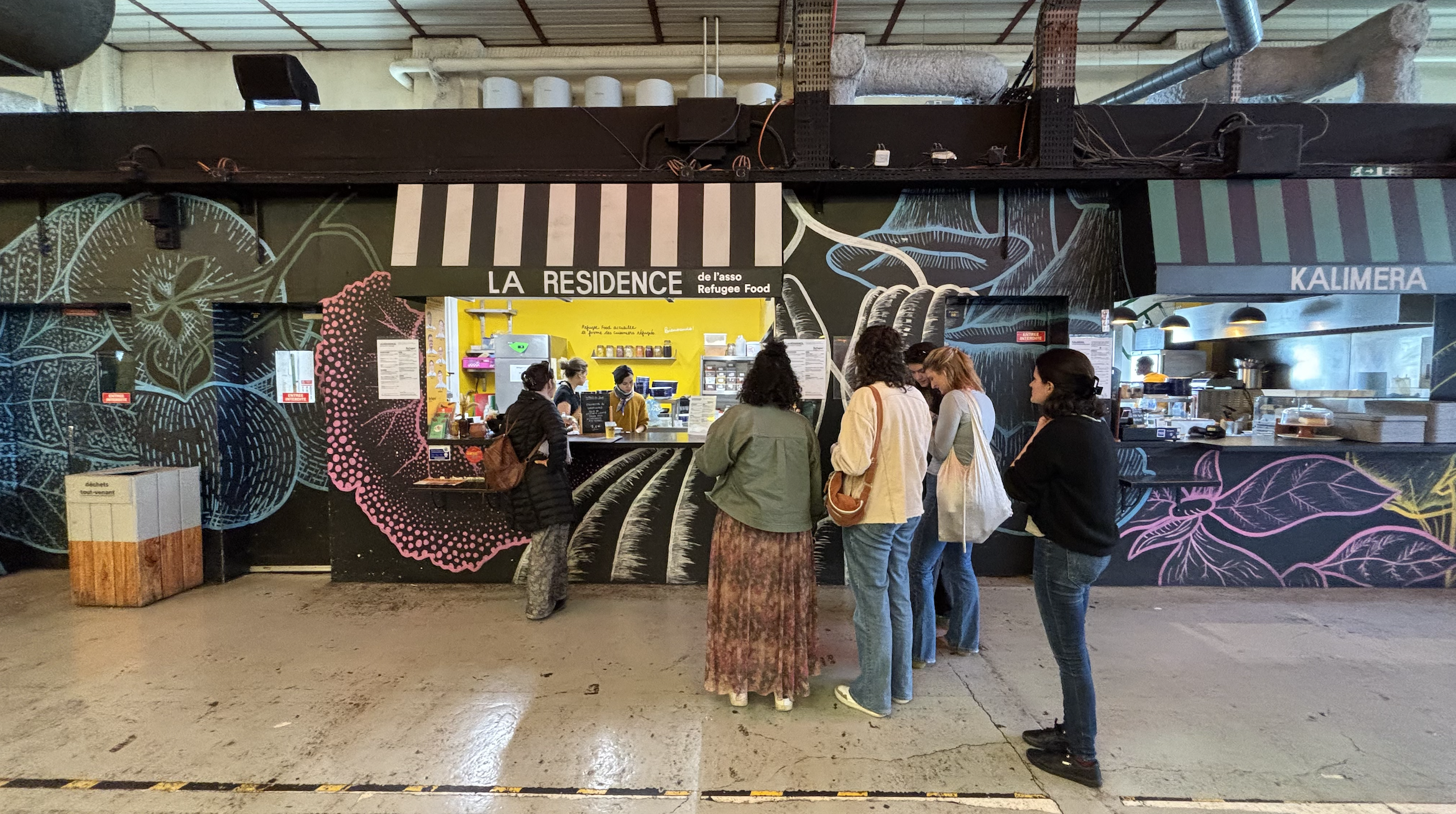
Image Credit: Ruby Hishmeh
The current chefs working at La Résidence are Dawit from Ethiopia, Leksang from Tibet, Sani from Bangladesh, Tashi from Tibet, Tsering from Tibet, and Volodymyr from Ukraine.
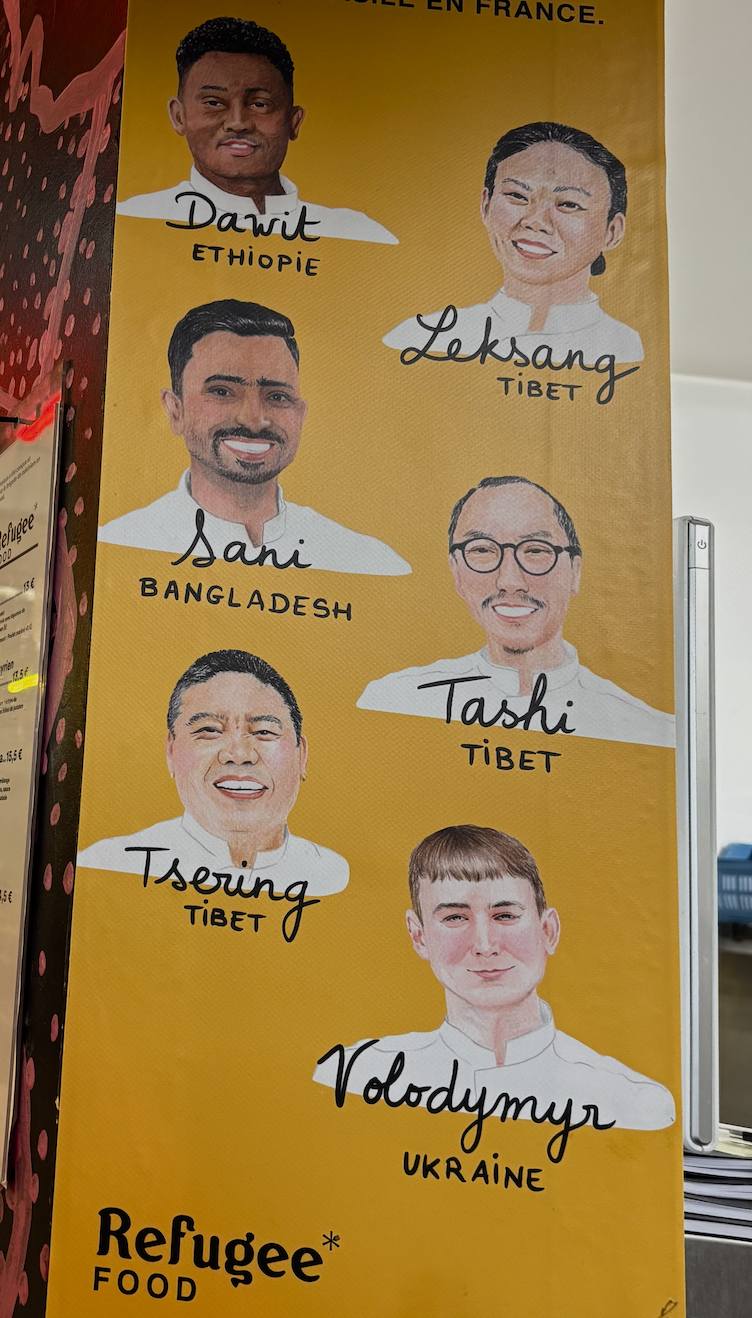
Image Credit: Ruby Hishmeh
Walking up to the restaurant, what immediately stands out are the hand-painted portraits of these chefs displayed on the front of the stall: their faces, their names, their stories quite literally front and center. That small visual choice underscores the importance Refugee Food places on the individual: these are not anonymous cooks, but people with backgrounds, dreams, and a journey written into every plate they serve.
Upon my visit, I had the pleasure of interviewing Céline Tran, manager of La Résidence’s day-to-day operations, who helps coordinate the kitchen, the staff, and the broader mission behind Refugee Food. She explains that employees “stay with us for a maximum of two years,” because the goal is not to keep people in place, but to help them move forward. The food reflects that same idea of movement and collaboration. Tran said that some recipes “have been here forever” and carry on through the chefs who came before, while new arrivals are encouraged to contribute ideas from their own countries. “We try to ask them if they like to cook something from their country or just use some of their spices or ingredients,” she said. That approach gives La Résidence a menu that feels alive. Tran noted that it changes “at least every season but a few dishes remain permanent staples.” This is a kitchen shaped by the people inside it, the ingredients available, and the culinary traditions each chef brings with them.
But Refugee Food’s mission extends well beyond lunchtime. Founded around 10 years ago, the organization now includes several initiatives, including corporate catering, which Tran said “drains most of the revenue.” The restaurant is also partly supported by state funding, with “about half of the employees’ salaries covered through public support.” That financial structure allows the project to keep doing something even bigger than serving meals. Tran described how the team “helps workers navigate housing issues, admin, social security, all of the French paperwork,” while also supporting them in thinking through “their professional projects, their goal in life and how to get there.” That kind of support makes the project feel genuinely holistic. For Tran, “food matters because it is universal and I think the founders understood that. Food connects everyone.”
She also pointed to the restaurant’s broader cultural impact. As Tran put it, “most people in the restaurants are immigrants,” and without them, “the restaurant business wouldn’t be able to function.” By putting the cooks’ faces and stories at the center, through those hand-painted portraits on the front of the stall, La Résidence challenges the usual invisibility of migrant labor in hospitality and makes refugees not just workers, but recognizable, named faces in the heart of Paris.
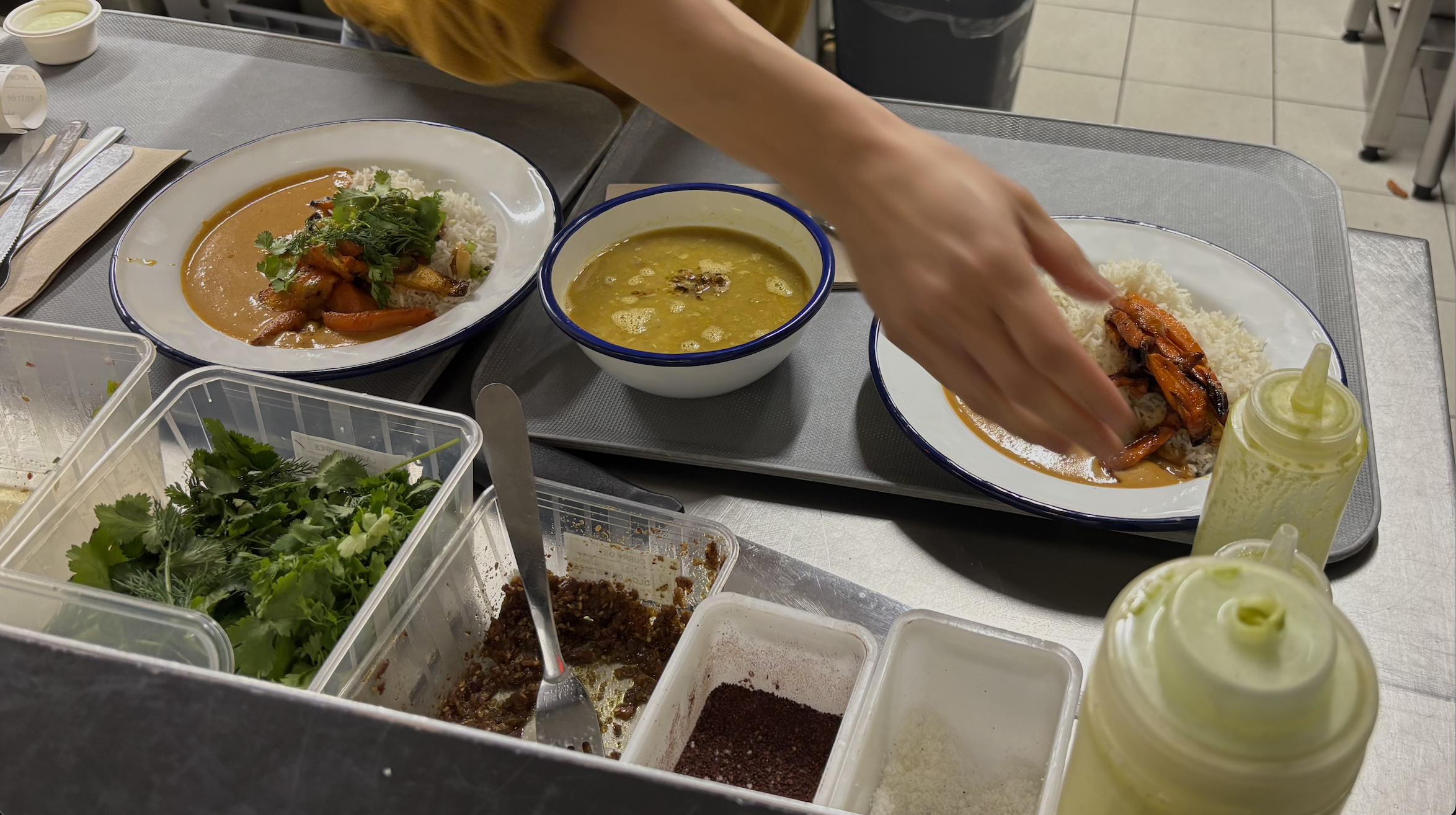
The food itself beautifully reflects the restaurant’s mission: a meeting point of cultures, stories, and traditions. During my visit, I tried several dishes, each carrying its own cultural history.
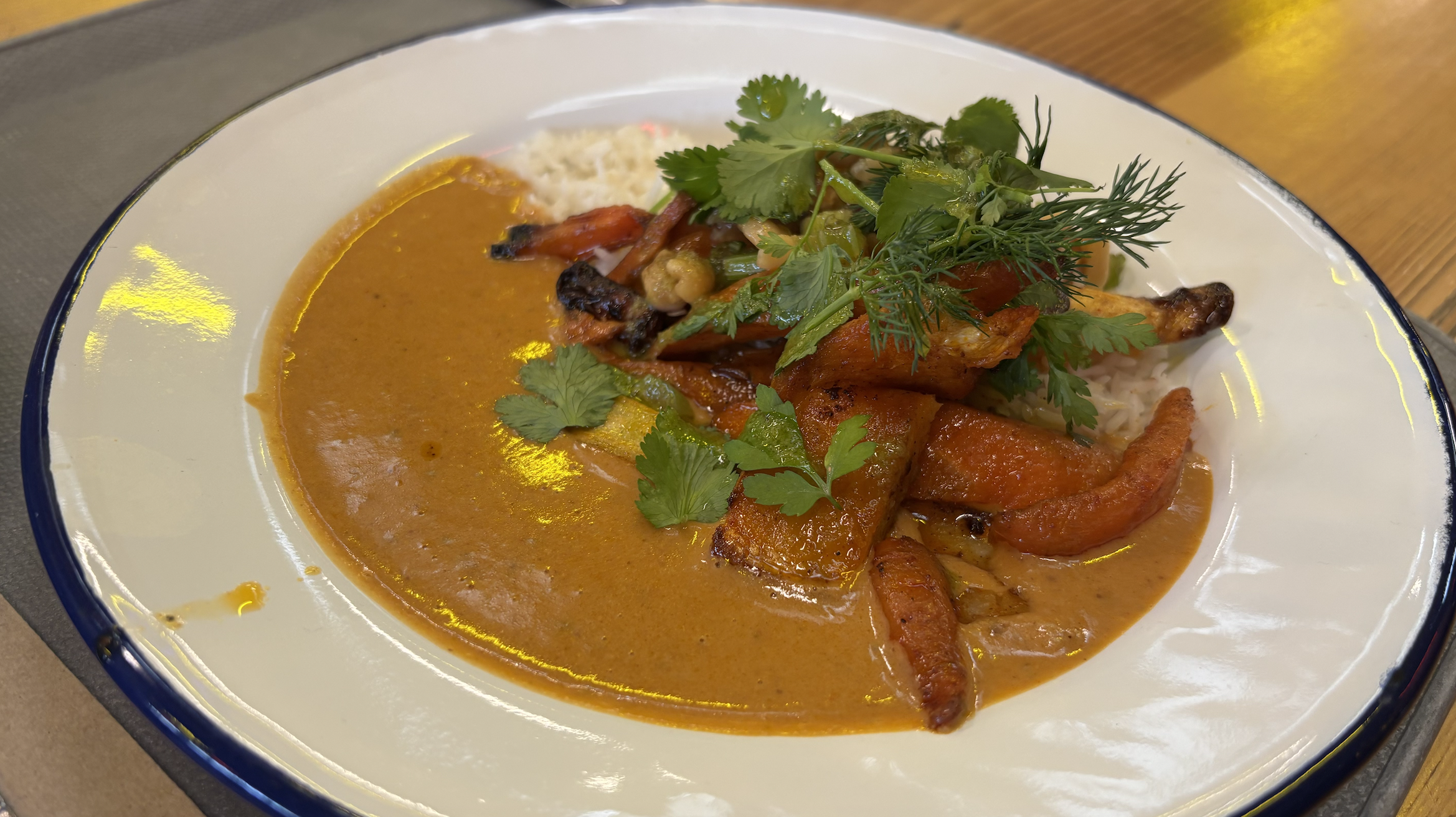
Image Credit: Ruby Hishmeh
The mafé végé above was one of the highlights. As explained on the menu card, Mafé is a beloved West African dish, especially common in countries such as Senegal and Mali. Traditionally made with meat, this vegetarian version featured a rich peanut-based sauce with okra, served alongside roasted seasonal vegetables, white rice, and fresh herbs. The sauce was deeply comforting, creamy, nutty, and slightly savory, making it very hearty.
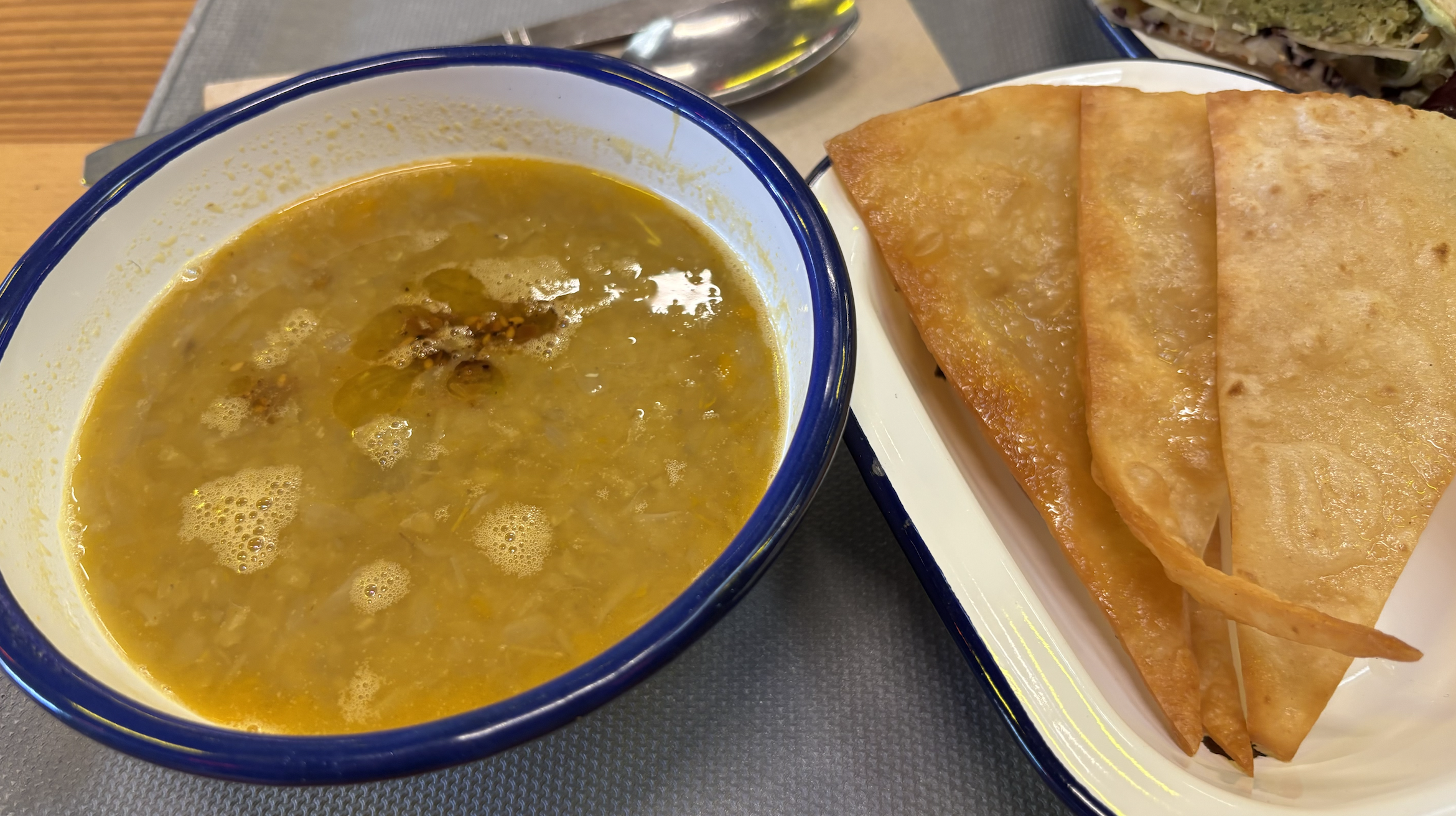
Image Credit: Ruby Hishmeh
The dahl offered another layer of cultural diversity. Originating from South Asia, particularly India, Bangladesh, and Nepal, Dal is a lentil-based dish that is both nourishing and widely cherished. Here, it was served as a soup of red lentils and squash, finished with curry oil and crispy fried onions. It was warm, earthy, and fragrant, with the lentils providing a smooth texture balanced by the sweetness of the squash.
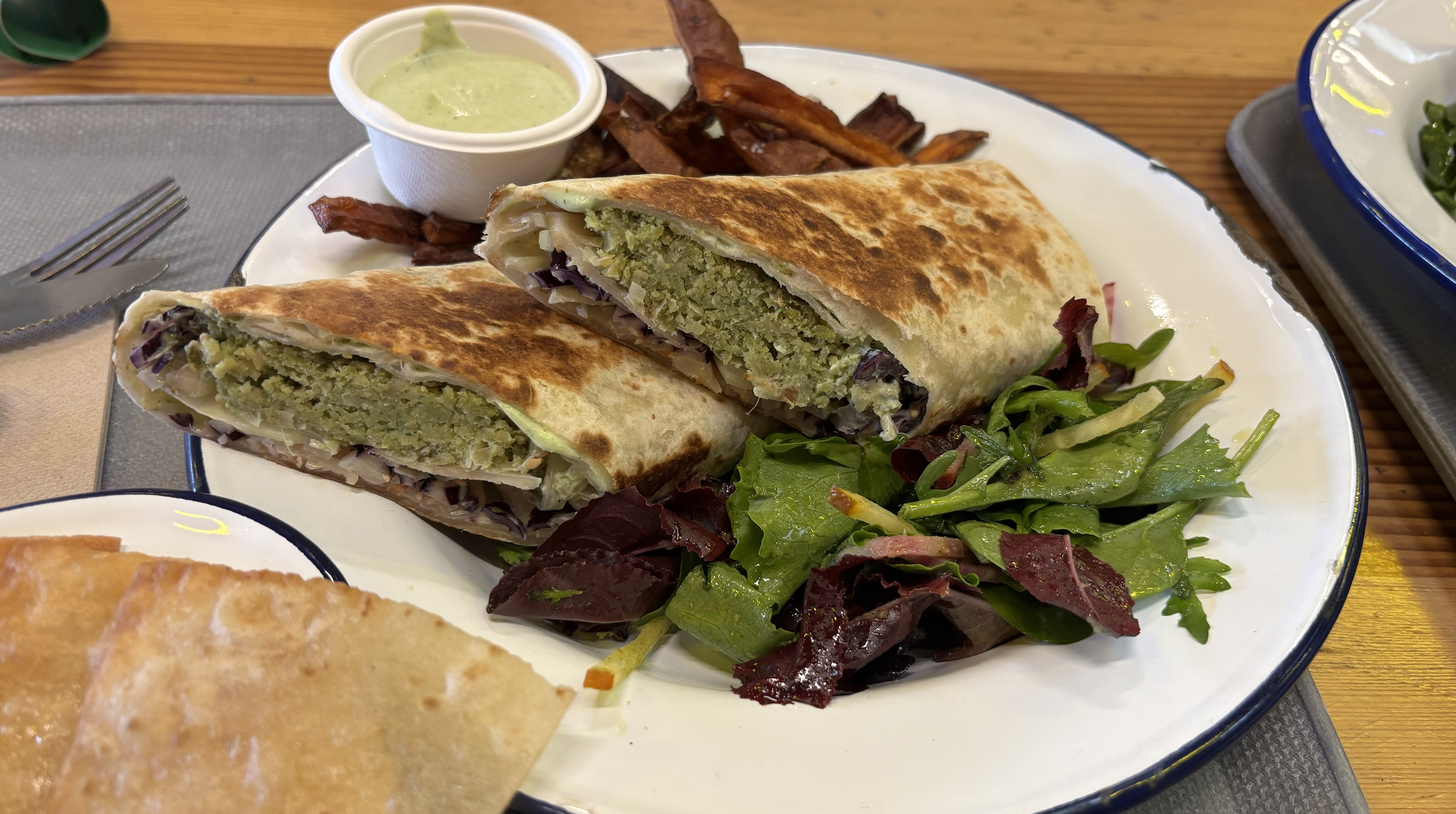
Image Credit: Ruby Hishmeh
I also tried the sandwich falafel syrien, which brought Middle East and Levant influences to the menu. Wrapped in a thin wheat flatbread, it was filled with crispy Falafel, cabbage, pickled vegetables, and a tahini-yogurt sauce, then served with sweet potato fries and a salad. The pickles added brightness, while the falafel gave the sandwich a satisfying crunch and depth of flavor.
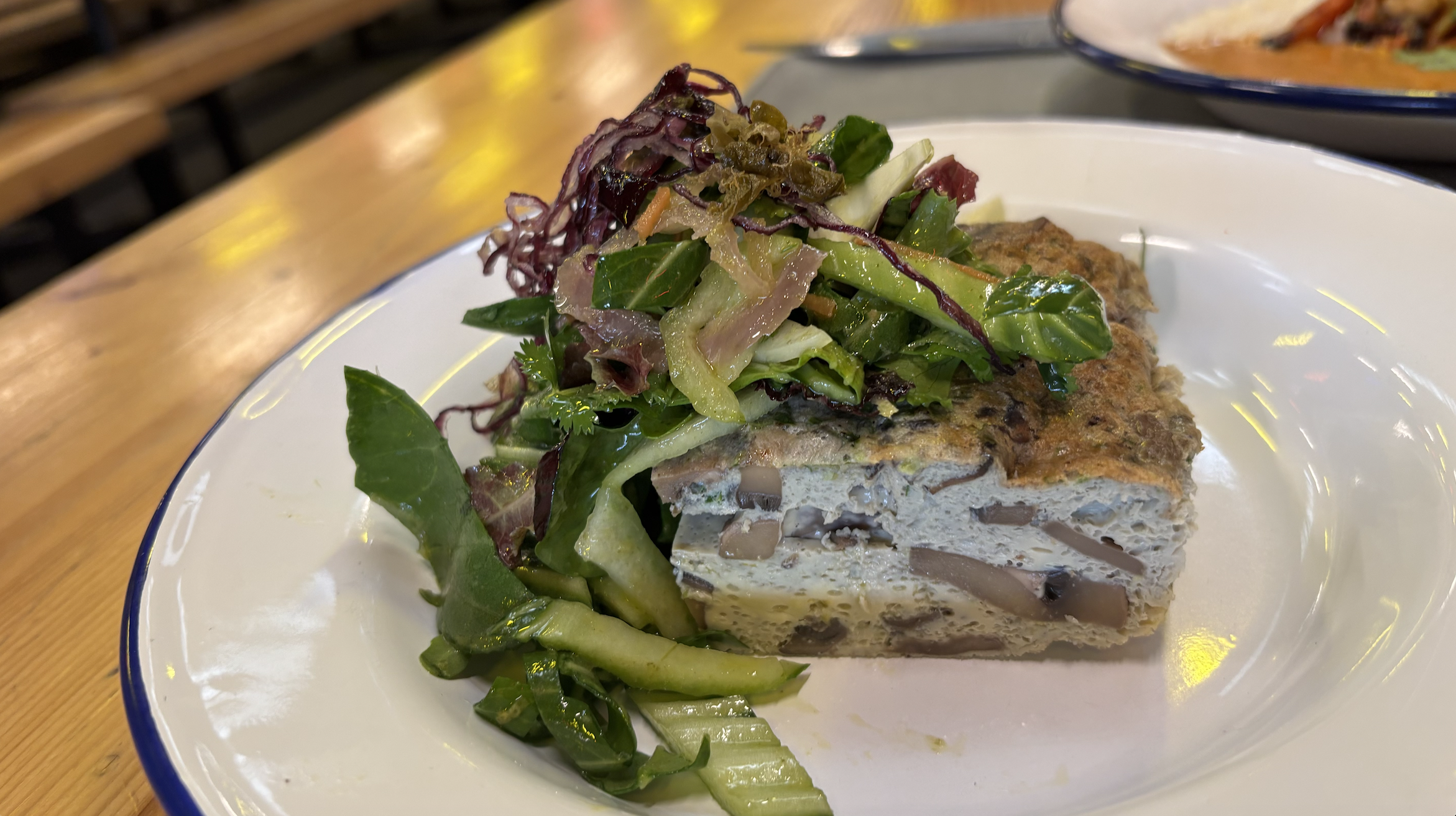
![]()
Image Credit: Ruby Hishmeh
The salade du jour was a mushroom frittata served with a light vinaigrette salad on top. This dish felt more French in style, grounding the menu in its Parisian setting.
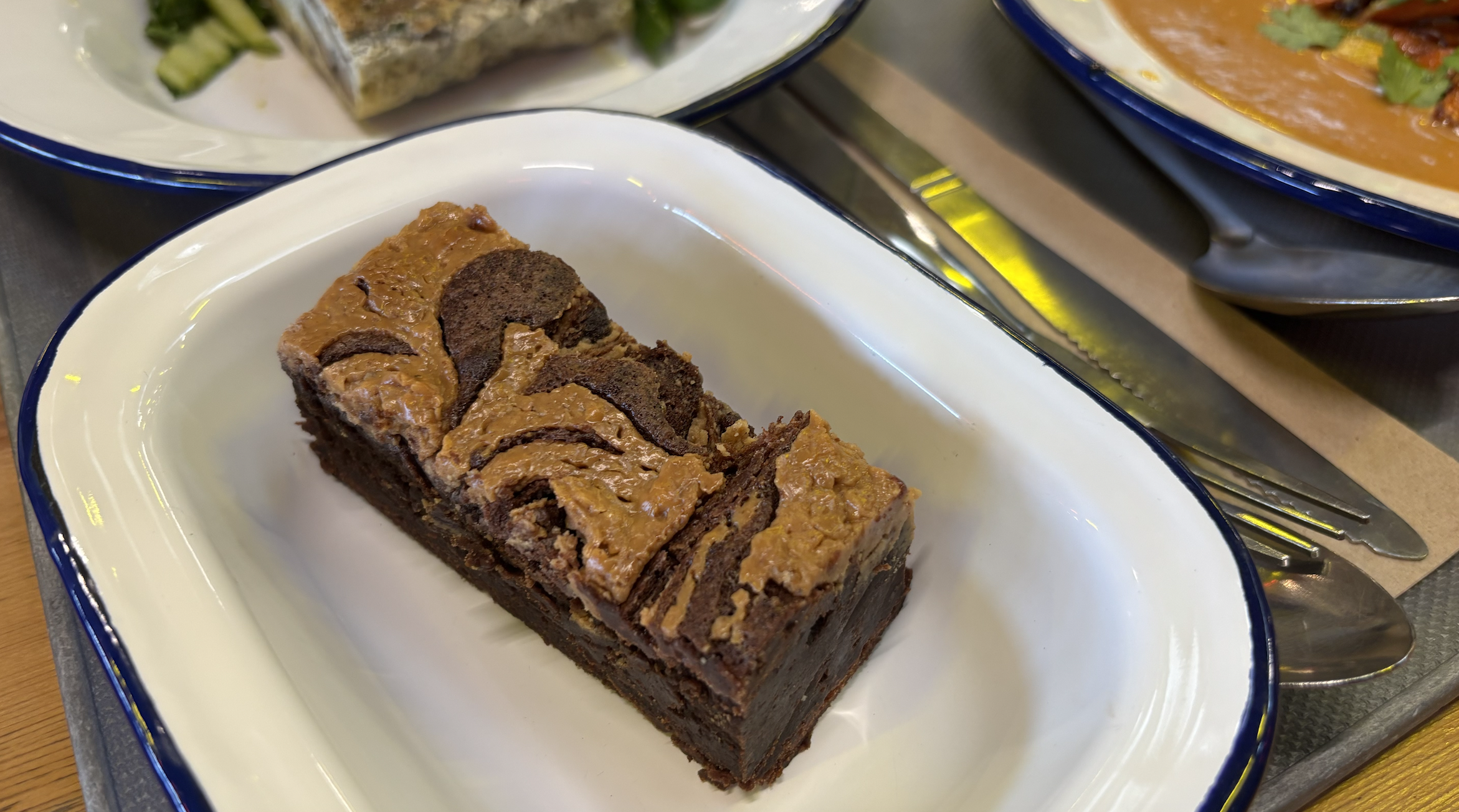
Image Credit: Ruby Hishmeh
To finish, I had the peanut butter brownie, which was rich, dense, and indulgent.
As you can probably tell, I was hungry.
What stood out most was how the menu mirrors the restaurant’s purpose. West Africa, South Asia, Middle East, and France influences, to name a few, coexist on one table, just as the people behind the dishes bring together different histories and experiences.
Perhaps what makes La Résidence so compelling is that it functions as both a restaurant and a bridge. Tran said the impact is tangible because most of their employees manage to find permanent jobs afterward, a significant achievement, as us students know, with today’s job market. That practical outcome gives the restaurant its emotional weight.
So, next time you are hungry, do not waste your money on Joe & The Juice again. Instead, go to La Résidence and let your lunch become a quiet act of solidarity, making a difference in such an easy way.