Plant Medicine in Paris
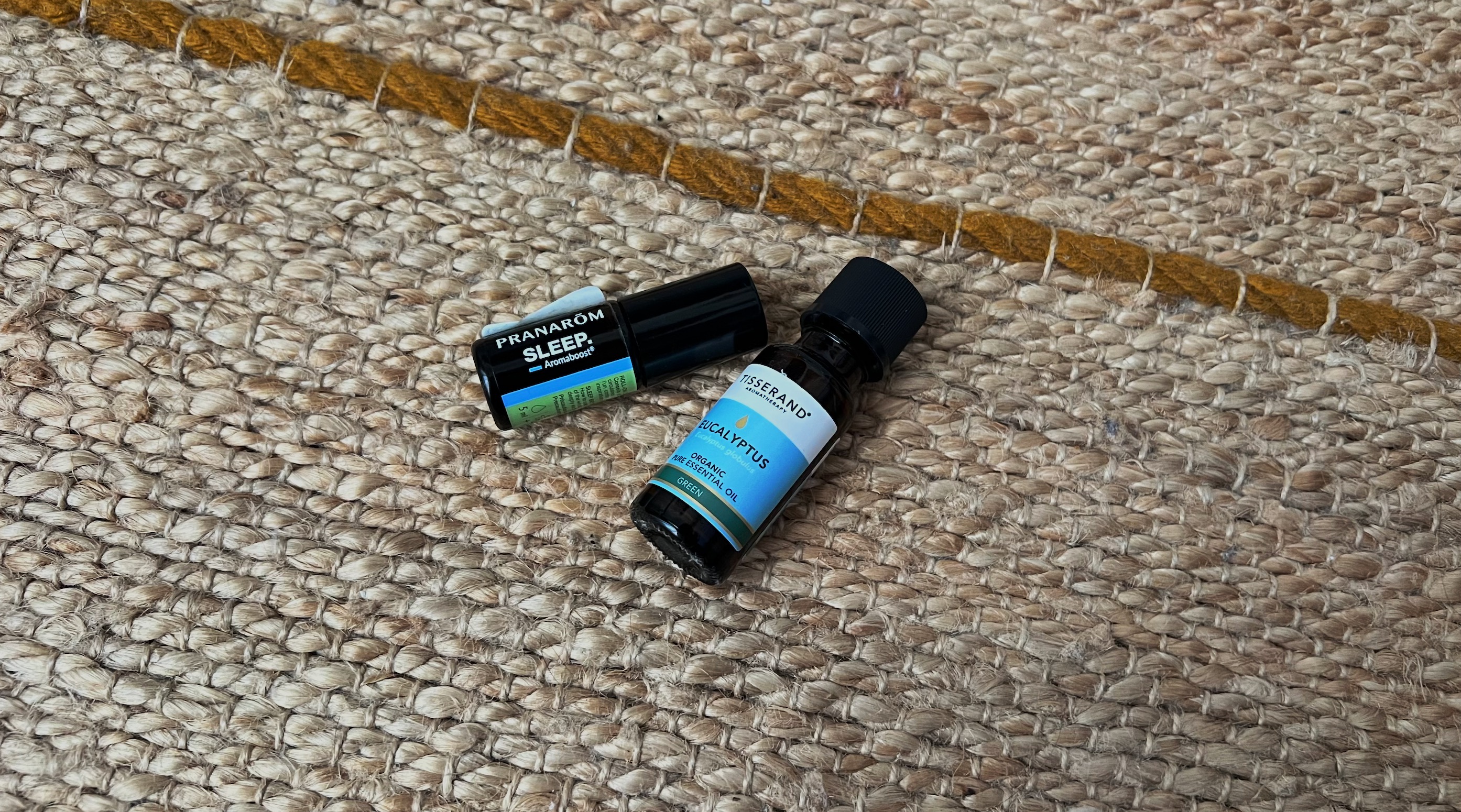
When you arrive in Paris as an American student, you expect certain things to shape you: The language you butcher for months, the administrative labyrinth that makes you question your sanity, the overpriced coffees you still willingly buy because it feels Parisian. But what most of us at the American University of Paris don’t expect is how much this city quietly, insistently, introduces you to plant medicine.
I don’t mean the trendy wellness sections tucked into American grocery stores. I mean everyday Paris. Pharmacies that look clinical and fluorescent but will, without blinking, hand you a tincture for sleep. Professors casually recommending herbal teas that sound like spells. Friends exchanging adaptogen packets during finals like they’re Pokémon cards. A culture where natural remedies aren’t an alternative, they’re integrated into the rhythm of ordinary life.
Different healthcare philosophies inevitably shape how wellness habits develop across cultures. In the U.S., plant-based remedies often fall under the umbrella of commercial wellness trends, while in France they tend to appear as part of longstanding everyday practices. That contrast influences how students encounter plant medicine in Paris today, framing it less as a trend and more as a familiar, integrated element of local life.
Here, plant medicine isn't a fad. It's a cultural undercurrent.
AUP Students and the Shift Away from Excess
One of the first people who put this shift into words was fellow AUP student Lexi Seghin. We were sitting on the Quai, watching the Seine move in that slow, hypnotic way, when she said, “Plant medicine is the new wave. I feel like people prefer that to even alcohol or partying nowadays!”
And she’s right. The younger generation in Paris, and not just the internationals, seems to be quietly rewriting what coping, calming and celebrating look like. Nights out still happen, but more often than not, students are trading hangovers for herbal blends, swapping social anxiety for CBD oils, choosing grounding over numbing. It’s not moralistic. It’s not even health-obsessed. It’s practical. And honestly? It’s refreshing.
The Parisian Infrastructure of Natural Care
Walk into almost any pharmacy in Paris and you’ll understand immediately. There will be the usual painkillers, bandages, sunscreen but right beside them, plant-based sleep aids, digestive herbs, stress tinctures, Bach flower remedies and homeopathic pellets. Regular people buy them, such as your neighbors or that old man who brings his dog to the same café every day.
In America, natural remedies always felt like they lived in the shadow realm of “alternative health,” where you had to justify your choices. Here? You’re not special for drinking herbal tea. You’re normal.
Markets like the Marché Raspail make the connection even stronger. When you walk past the stalls early on a Sunday, you’re hit by layers of scent: mint, rosemary, tarragon. Things you can’t identify but know are good for something. You talk to vendors who know exactly which blend calms anxiety or helps with digestion and will tell you, kindly but with conviction, how to dose it.
As someone who has had to navigate medical skepticism in France, the kind that can make you feel like you’re defending your own brain chemistry, it’s striking to see how trusting French culture is of plants. The same system that fought ADHD medication for decades will hand you a sleep tincture without hesitation. The contradiction is almost funny, except it’s also distinctly French.
Culture, Curiosity and Connection
What often surprises students is how naturally plant medicine weaves itself into social life. At AUP, conversations about wellness aren’t just “self-care discourse”; they become extensions of cultural exchange.
Students from Brazil bring up herbal traditions that their grandparents taught them. A friend from India explains adaptogens through an Ayurvedic framework. Someone from China chimes in about the teas they’ve used since childhood. It becomes a cross-cultural blend, part academic, part personal and part survival tactic for study abroad.
Plant medicine became a grounding mechanism. A way of participating in the city that didn’t require fluency or confidence, or the right paperwork. Shared rituals around plant-based remedies became common among students, whether brewing chamomile tea during late-night study sessions, swapping recommendations for herbal blends, or picking up lavender sachets at neighborhood markets. These simple habits offered a sense of routine that felt both communal and accessible.

Why It Matters for Students Abroad
Being a student abroad means constant adjustment to new systems, new expectations and new versions of yourself. Plant medicine doesn’t fix that, but it softens the edges. It gives you tools for calm that feel accessible and human.
It also provides a counterbalance to the overstimulation of city life. Paris is vibrant, overwhelming, beautiful and exhausting. The pace here can swallow you if you’re not careful. But somehow, knowing you can walk into any pharmacy and get something gentle, something that doesn’t demand justification, something that invites you to slow down, it helps.
In a world where young people are navigating burnout, anxiety, overstimulation and the pressure to be endlessly productive, plant medicine offers a different path. Not a miracle, not a cure. Just support, ease and presence.
A Quiet Revolution
Plant medicine is the new wave, not because people are escaping, but because they’re trying to stay connected. To themselves, to their bodies, to each other, to the city.
And maybe that’s what makes this shift feel significant. It’s not loud. It’s not aestheticized. It’s quiet, like most of the meaningful things in Paris. A cup of tea, a dropper of tincture, a shared ritual among friends. A way of saying: I want to feel better, but I want to feel present too.
In a city that teaches you to pay attention, plant medicine becomes not just a trend, but an extension of the very thing Paris is best at, reminding you to live deliberately.