Let’s go on a Study Trip
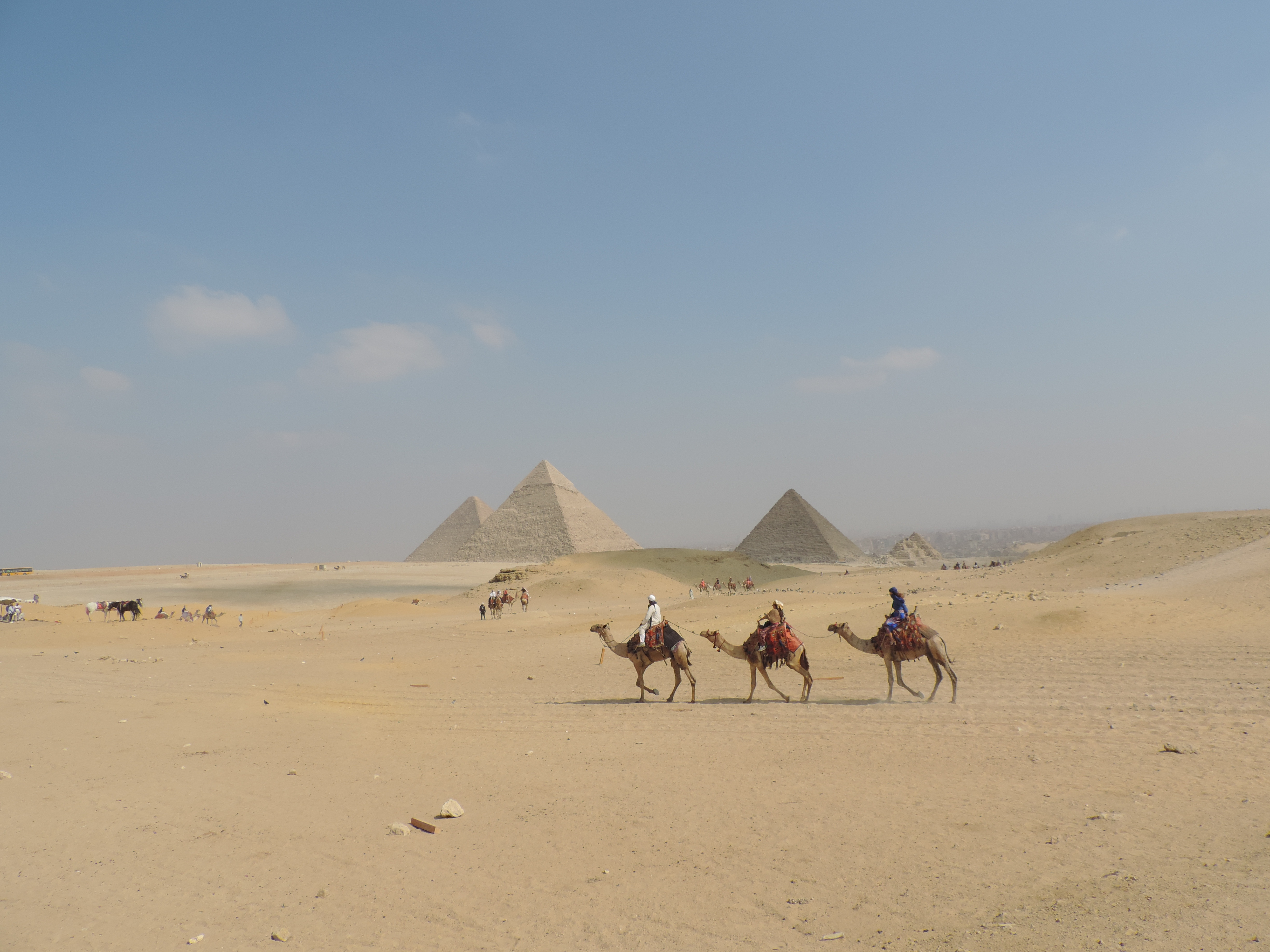
Deciding and registering for a trip is only the beginning of your first study trip. A lot can change between the first week of classes and the first day of the trip. Having gone on nine study trips during my four years at The American University of Paris, I have learned a few lessons and made some mistakes along the way. I have found the best way to ease the nerves is to be prepared. Here’s how to prepare for your first study trip.
If you need help deciding or are feeling unsure about your trip, you can read my article, “What to Know Before Your First Study Trip”.
You have registered for a study trip, so what's next?
Check your emails - REGULARLY
The Cultural Program Office will be sending you emails regarding updates and information on the trip. To confirm the trip and your participation, a confirmation email will be sent the week payment is due. Students in the connected courses who apply for Coup de Pouce get priority on the trips. Students who aren’t in the courses can still join; however, confirmation is usually sent after those who receive Coup de Pouce have confirmed their attendance.
This confirmation email is very important; it provides the preliminary details of the trip (including payment), important travel notices and the predeparture meeting. If the destination is outside of the Schengen region, this is when you look up if there is a visa process for your nationality. Make sure you are using the official government websites, as there are many scam websites. Some trips might have two predeparture meetings to discuss visas, and in this case, the Cultural Program Office may provide the official website.
Time to do the research
The predeparture meetings usually take place a week before the trip, and in some cases, a week is not enough time to prepare. So doing your research beforehand will allow you to spread out your preparation throughout the semester and help you save money. Additionally, coming to the predeparture meeting with questions and concerns helps ease nerves.
Weather
Start by looking into the weather of the city and country. In your research, it might be helpful to include the month or season you are traveling in because registration might be in winter and your trip in spring. Knowing the weather in advance gives you the chance to look at the pieces in your closet that you can wear and what's missing, and the best way to get them. In preparation for Iceland, we were recommended to buy waterproof winter clothing in France, considering the prices for the same items could be double or even triple in Iceland.

Culture
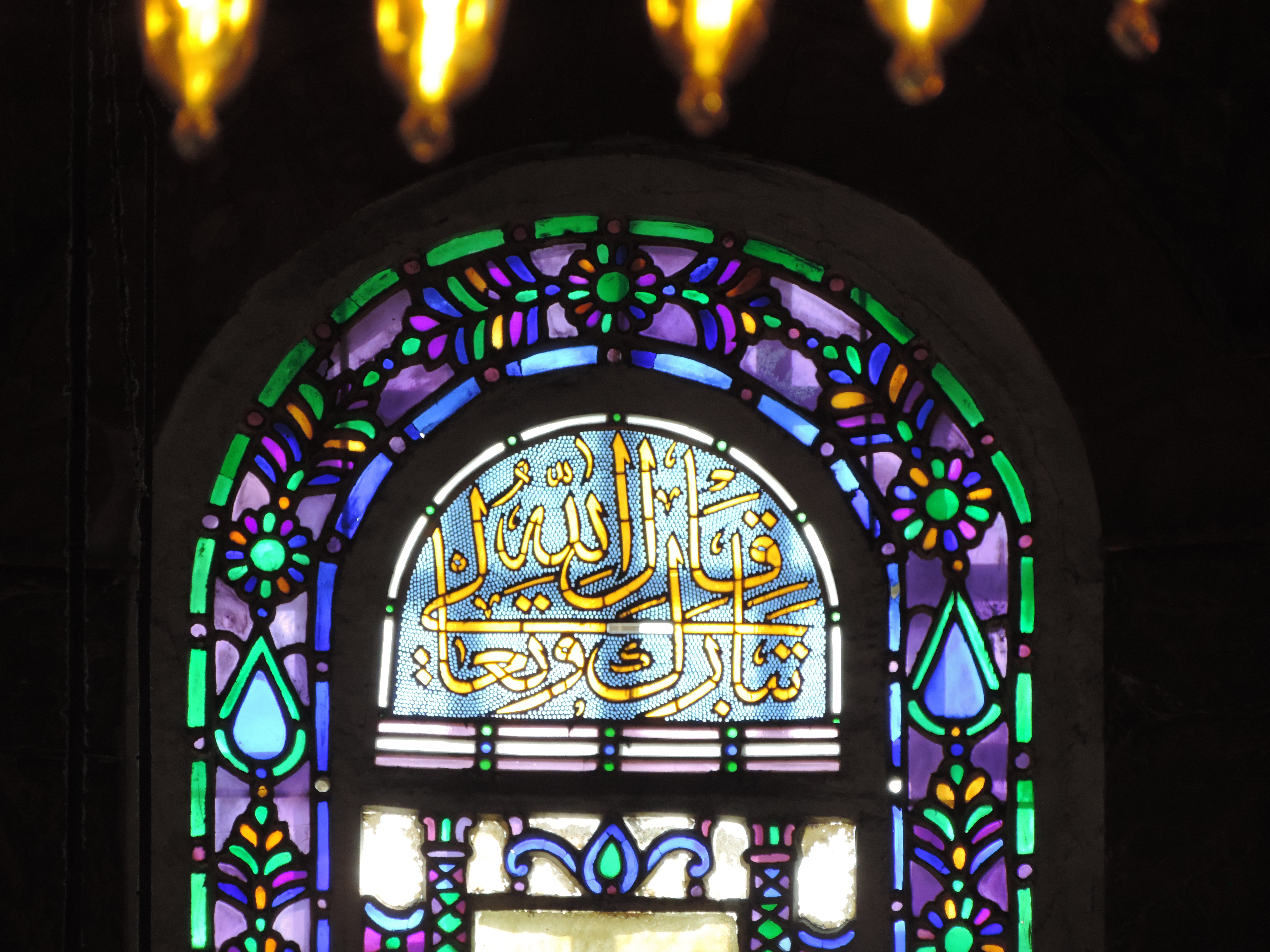
To be respectful of the places you're visiting, it's valuable to have an understanding of the customs and traditions of the country. This can include changes in clothing, shopping behaviors, or dinner manners. While visiting Istanbul during Ramadan, we had a dinner reservation for Iftar, the sundown meal that breaks the fast. We were advised to avoid drinking water or eating before sundown, despite not personally fasting, as it could be seen as disrespectful.
Additionally, learning about dinner traditions will lead you to discover culturally significant foods to try. If you have food allergies or restrictions, it could reveal the prevalence of an ingredient in the culture and alternatives.
Clothing
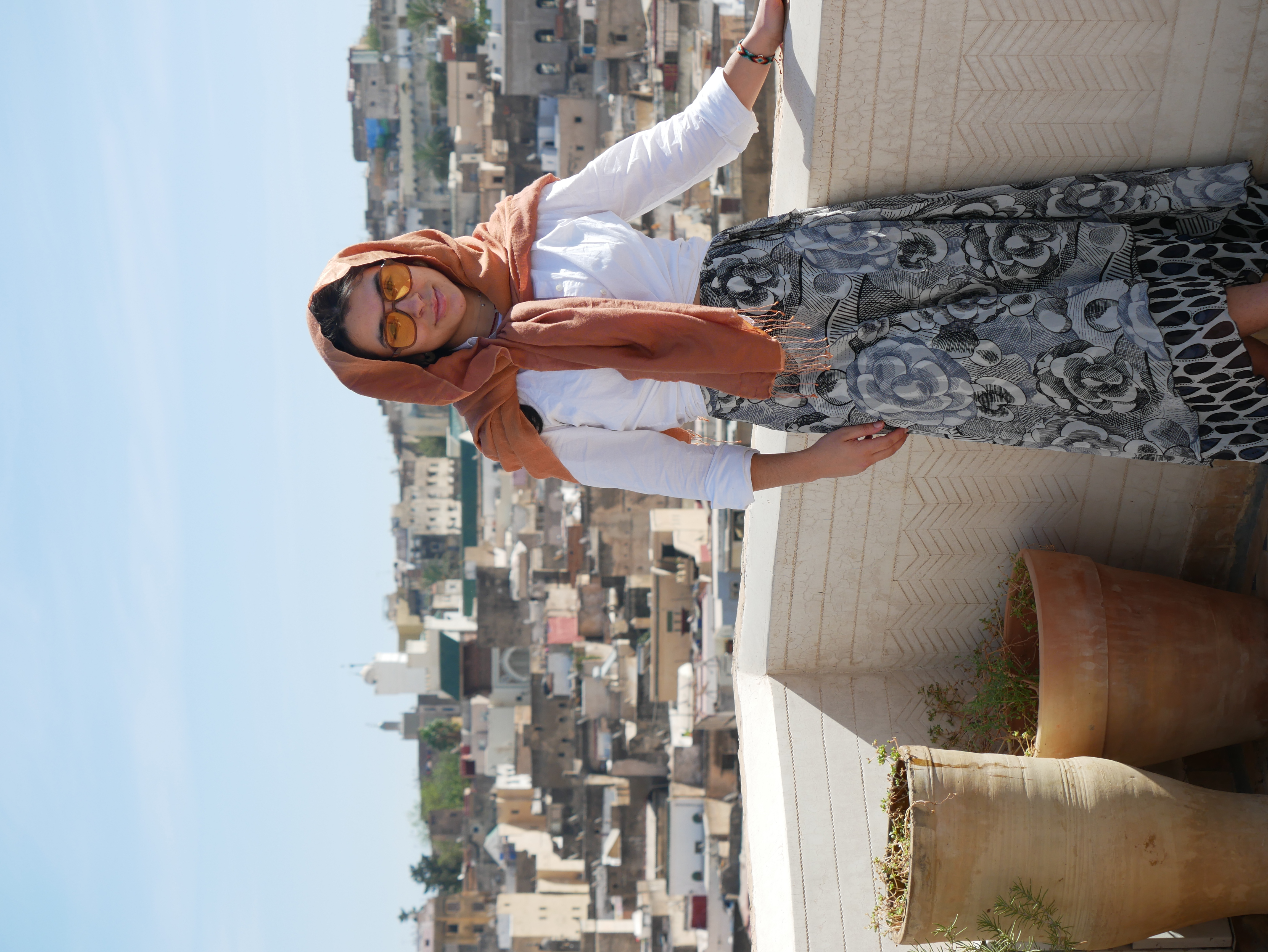
Weather and culture directly impact how people dress, and will determine how you should pack your suitcase. Once you are able to figure out the pieces you have in the closet and what you are missing, you can plan how to acquire what may be missing. As many trips do recur each semester, it might be helpful to ask your friends or peers who have gone on these trips what they packed and if there are items you can borrow. Thrifting or buying second-hand pieces online are also reliable options with enough time.
The week before your trip, you probably will be trying to get ahead on coursework or general travel prep, and the last thing you want is to be packing the night before and realize you don’t have something you might need. As a woman, if you are worried about dressing modestly in some countries, especially warmer countries, my go-to pieces are always a flowy maxi skirt and an oversized button-down.
What to buy?
After researching, the best way to spend your free time might be shopping, and sometimes it's included in the itinerary. Exploring while shopping, including visiting markets, is a great way to see into the daily life of these cities outside of museums. Occasionally, when shopping is allotted in the itinerary, these places might be a little touristy and not have what you are looking for. Make sure when deciding where to go, you consider how you will get there, and run it by the professors and guides to make sure it is manageable and safe.
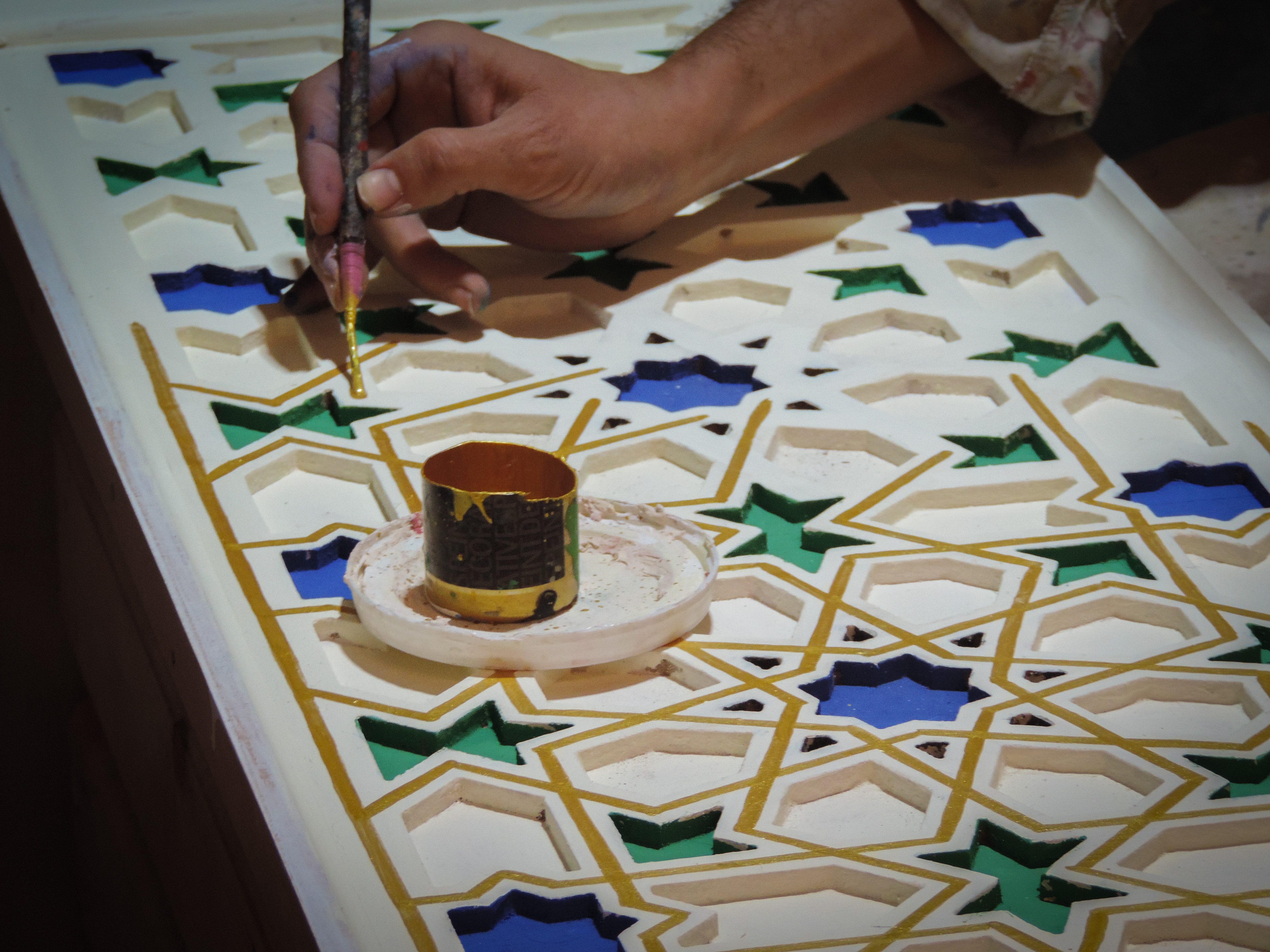
It might also be worth it to look into what kind of goods are unique to the region or specialize in. When traveling to Morocco, some students wanted to buy spices and oils, while I focused on finding a rug and a leather ottoman. In Cairo, one of my peers found a concept store featuring local artists, and it was an excellent place for traditional souvenirs, like postcards, stickers, and posters, with one-of-a-kind artwork.
Attend the preliminary meetings
The preliminary meetings are important for you to attend, as it's where you will be given all the important details, including flights, itinerary, hotel, etc. It's always good to come with a list of questions on cell phone service, currency exchange, additional costs, what to pack, safety, customs, and practices to know beforehand. Don’t forget to write the answers down, so you can refer to them before and during your trip. Occasionally, professors and the Cultural Program will ask students if they would be interested in any additional activities.
The professors on the trip are an excellent point of reference. Some study trips occur yearly, and the professors running them are experts on this voyage. They are there to answer your questions and relieve you of any concerns. If you are worried about navigating the city, one of the benefits of these trips is having this person who knows their way around the area. Despite having free time in Istanbul, Professor Majed helped a group of us navigate the Bazar and get taxis to the hotel.
However, not every professor and study trip are created equal; some professors are far more hands-on and supportive, while others rely on students' independence, so it's important to get to know the professors if you have the chance. It's also helpful to ask your peers who have these professors or have gone on trips with them.
Let’s get to packing
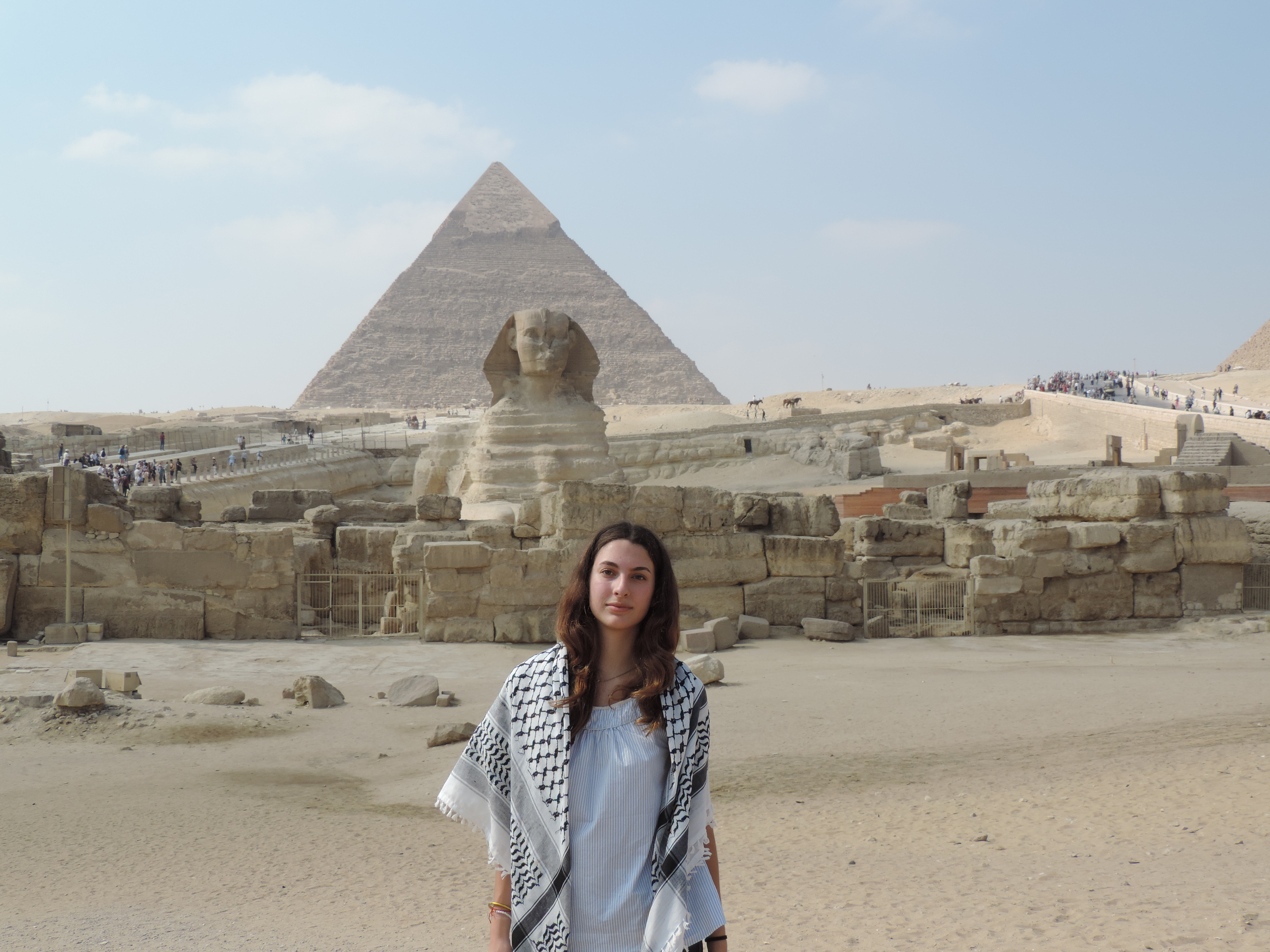
Luggage space on study trips can be sparing or you could be lucky with a large checked bag. Nevertheless, packing smart ensures you are prepared and can bring back whatever merchandise you have collected on your trip. Less is more is always a good rule to stick to, coming from an overpacker. I personally like to plan my outfits based on each day, best matching the itinerary, always throwing in one extra outfit or pieces just in case. Other students swear by the capsule packing method, to have the flexibility to pick the outfits on the day and rewear pieces. It's really all personal preference.
Just make sure you have all your essentials; traveling through Europe with a liter-sized Ziploc really forces you to reevaluate your essentials. If you are the kind of person who likes to have your entire skincare and shower routine with you, don’t be shy to ask the Cultural Program in advance or at the preliminary meeting about the luggage quantity.
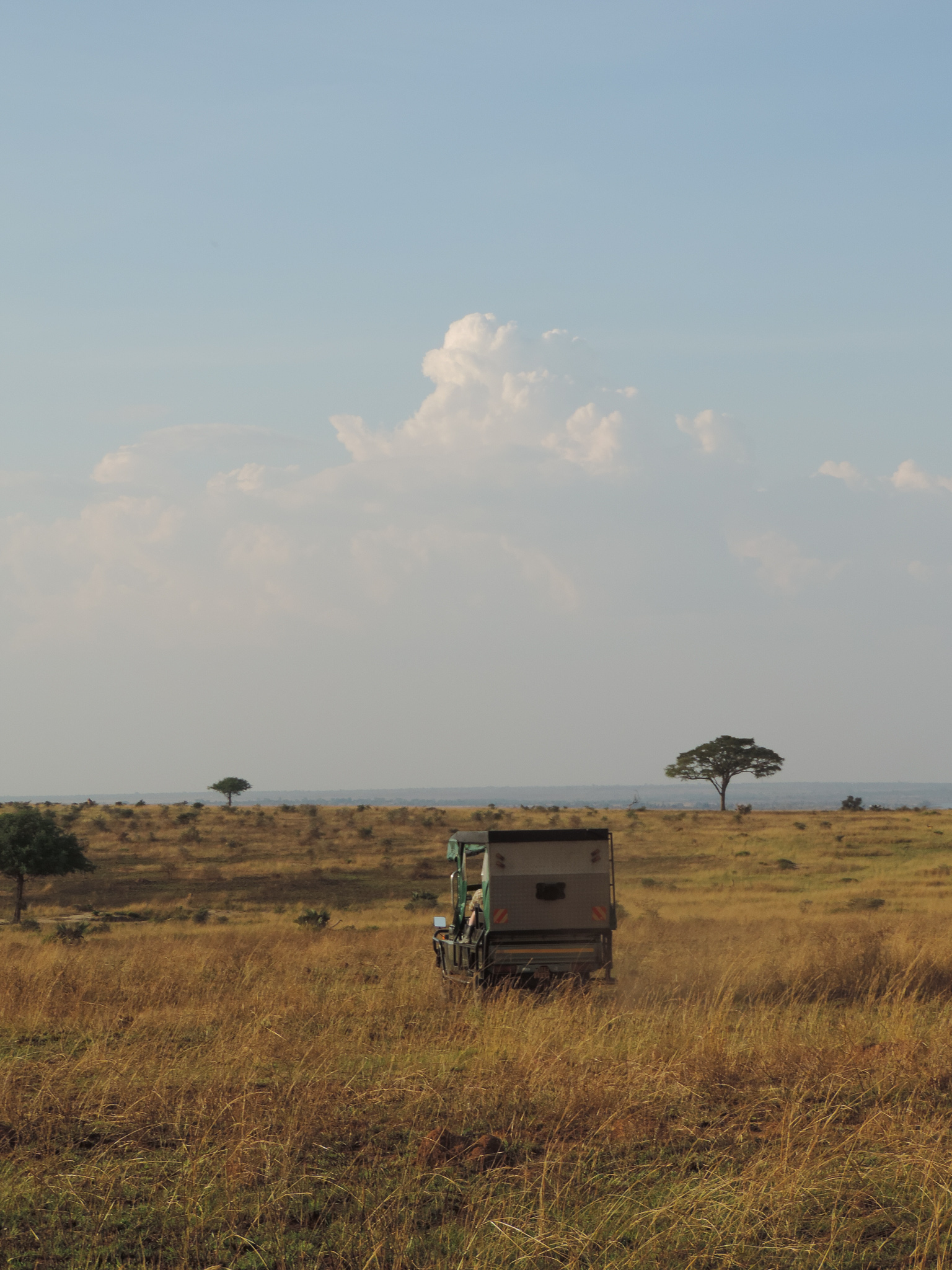
A must-have in my suitcase is always an extra bag, usually a smaller carry-on-sized duffle bag, sometimes a backpack or tote. In Uganda, we did a three-day Safari in Murchison Falls, eight hours from Kampala, and we were only allowed to bring carry-on-sized luggage, and our large suitcases were left at the house. It's always good to have it in case you do maybe a little too much shopping, or your luggage gets damaged in transit.
All in all, study trips are what you make of them. A little research and preparation can go a long way. It might be the memento you buy or the activity you do in your free time that really makes the trip memorable. Almost every night in Cairo, my roommate and I joined our new friends at a restaurant along the Nile River, getting to know one another and talking about all the incredible things we saw that day. It's a cherished memory we share every time we catch up in Paris.