How Bad Bunny turned the Super Bowl into a cultural performance
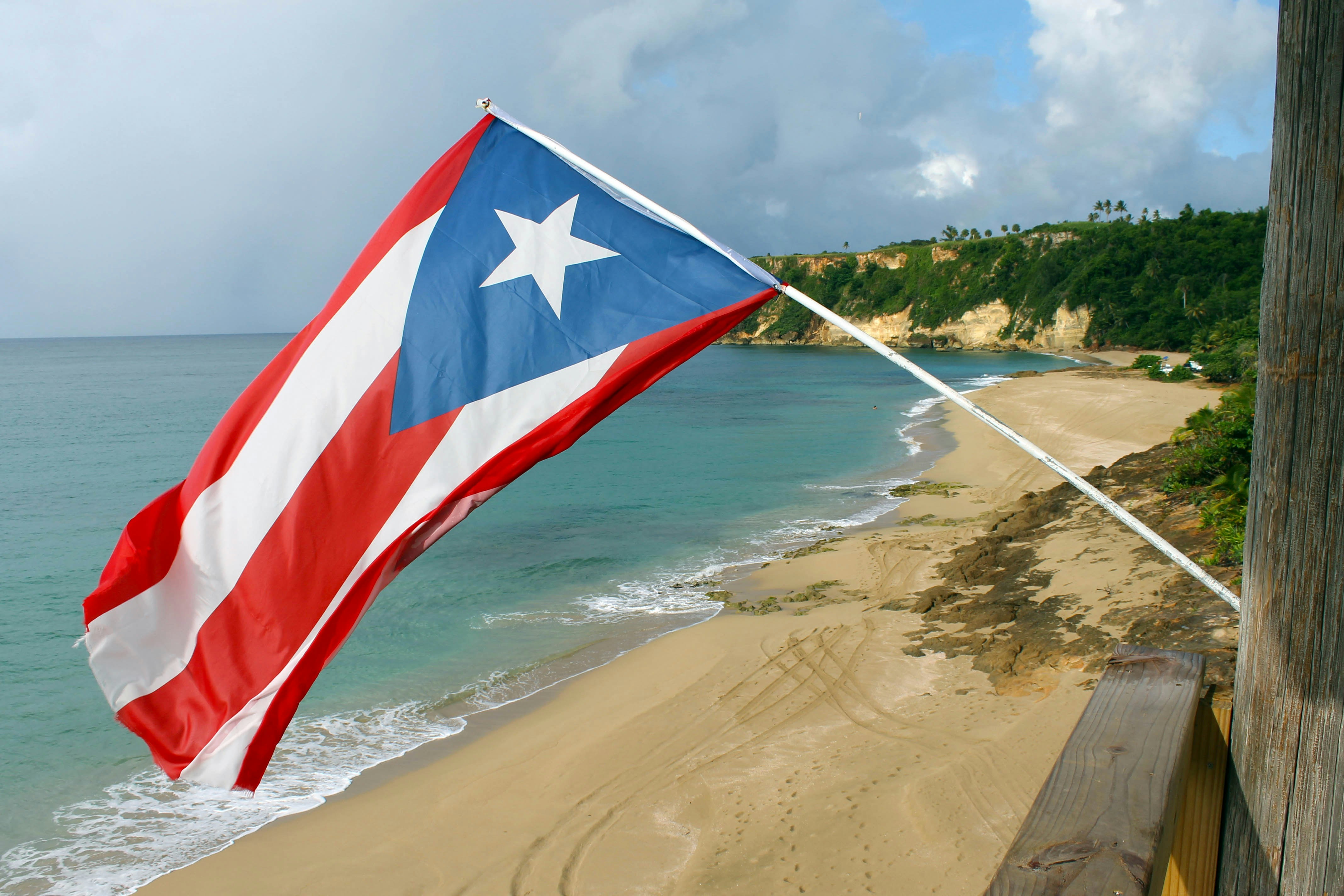
When Bad Bunny was officially announced as the halftime performer for the Super Bowl, there was plenty t of criticism surrounding the decision. Some people questioned whether an artist who primarily sings in Spanish should headline one of the long awaited, biggest events in American sports. Others criticized the choice because Bad Bunny is Puerto Rican. But, once the performance actually happened, it became clear that the show resonated with way more people than expected. Even viewers who weren't Puerto Rican or Latino found themselves emotionally connected to the performance. Myself included. This is because Bad Bunny’s halftime show was not only about Puerto Rico, it was about everyday human experiences, culture and our community.
Relatable Cultural Moments
One of the most memorable parts of the performance was the scene set at a wedding. During this moment, cameras showed a young child sleeping across two white plastic chairs while adults danced and celebrated around him. For many people from different cultural backgrounds, not just latino, this was an instantly recognizable experience. Children often fall asleep at late-night family parties while music and dancing continue around them. Seeing this moment recreated on one of the world’s biggest stages felt surprisingly intimate and nostalgic. Even viewers who were not Latino could relate to the universal idea of family gatherings, long celebrations, and childhood memories.
Another powerful moment came when Bad Bunny handed a Grammy trophy to a young boy dressed similarly to him. The gesture seemed to symbolize his younger self and the idea of inspiring future generations. For many viewers, this moment represented the possibility of success for young people who grow up dreaming big but may not see themselves represented on global stages. It's a reminder that artists like Bad Bunny have opened doors for Latin artists in spaces that once excluded them and that we too, can dream big.
Cultural Symbols and Everyday Life
The stage design also included many small cultural references that made the performance feel authentic and personal. One example was the use of simple white plastic chairs placed throughout the set. These chairs are extremely common at gatherings across all cultures and much of Latin America. They appear at birthday parties, barbecues, weddings, and family reunions. While they might seem ordinary, they represent community and shared moments. By placing them on the Super Bowl stage, Bad Bunny transformed an everyday object into a cultural symbol that many people recognized instantly.
Throughout the show, Bad Bunny recreated scenes from everyday Puerto Rican life. The stage included elements like a small nail salon, elders playing dominoes, and a colorful street cart selling piraguas, a traditional shaved ice dessert. These details helped tell a story about community and daily life on the island. Instead of presenting a stereotypical or exaggerated image of Latin culture, the performance focused on ordinary moments that make up people’s lives.
Redefining America
When Bad Bunny started naming different countries across North, Central, and South America it challenged the common idea that “America” only refers to the United States. By mentioning countries like Mexico, Colombia, and the Dominican Republic, and even canada, he reminded viewers that America is an entire continent made up of many cultures and identities. For many Latin American viewers, this felt like recognition and inclusion on a stage that has historically centered the U.S., while also sending a broader message about unity across the Americas.
Language, Representation, and Impact
Beyond the cultural references and visual storytelling, the performance was important because it challenged long-standing ideas about language, identity, and who gets represented on major American stages. For a long time, the Super Bowl halftime show has mostly featured English speaking artists who represent mainstream American pop culture. By headlining the show while performing mostly in Spanish, Bad Bunny demonstrates how global Latin music has become and how audiences are increasingly open to music that crosses language barriers. His performance showed that a song does not need to be in English for people to feel its emotion, energy, and message. For many Latino viewers in the United States, seeing Puerto Rican culture highlighted in such a detailed and authentic way also created a sense of visibility and pride. At the same time, viewers from different cultural backgrounds could still connect with the themes of family, childhood memories, and community that appeared throughout the show. In this way, the halftime performance became more than just entertainment; it reflected how culture in the United States is constantly evolving and becoming more diverse but while also reminding audiences that shared human experiences can connect people regardless of nationality or language.
Audience Reactions
One of the most interesting parts of the performance was also seeing how people reacted to it online afterward. A lot of viewers shared how emotional the show made them feel even if they were not Puerto Rican or Latino. Some people said they did not even understand the Spanish lyrics but still felt connected to the performance. One person wrote “Why am I tearing up? I’m not even American nor Latino. Guess we’re HUMANS all just needing a piece of humanity.” Another viewer commented “I understood nothing but the set design, the cultural vibes on display, and that ending message make this Halftime Show an instant classic.” Someone else who described herself as “a thirty-one year old southern white lady” wrote that the ending moved her to tears even though she does not speak Spanish, because the message about love and equality was still clear. Reactions like these show how Bad Bunny’s performance went beyond language and culture and connected with people on a more human level.
More Than Just a Half Time Show
Bad Bunny’s halftime show stood out because it blended personal storytelling with cultural pride. The performance celebrated Puerto Rican identity while also showing experiences that many people around the world can recognise; family parties, childhood memories, music, and community. For viewers who initially questioned whether a Spanish language artist belonged on the Super Bowl stage, the performance served as proof that culture and music can connect people regardless of language or nationality!