A Language We All Understand: Why Aup Still Has No Music Curriculum
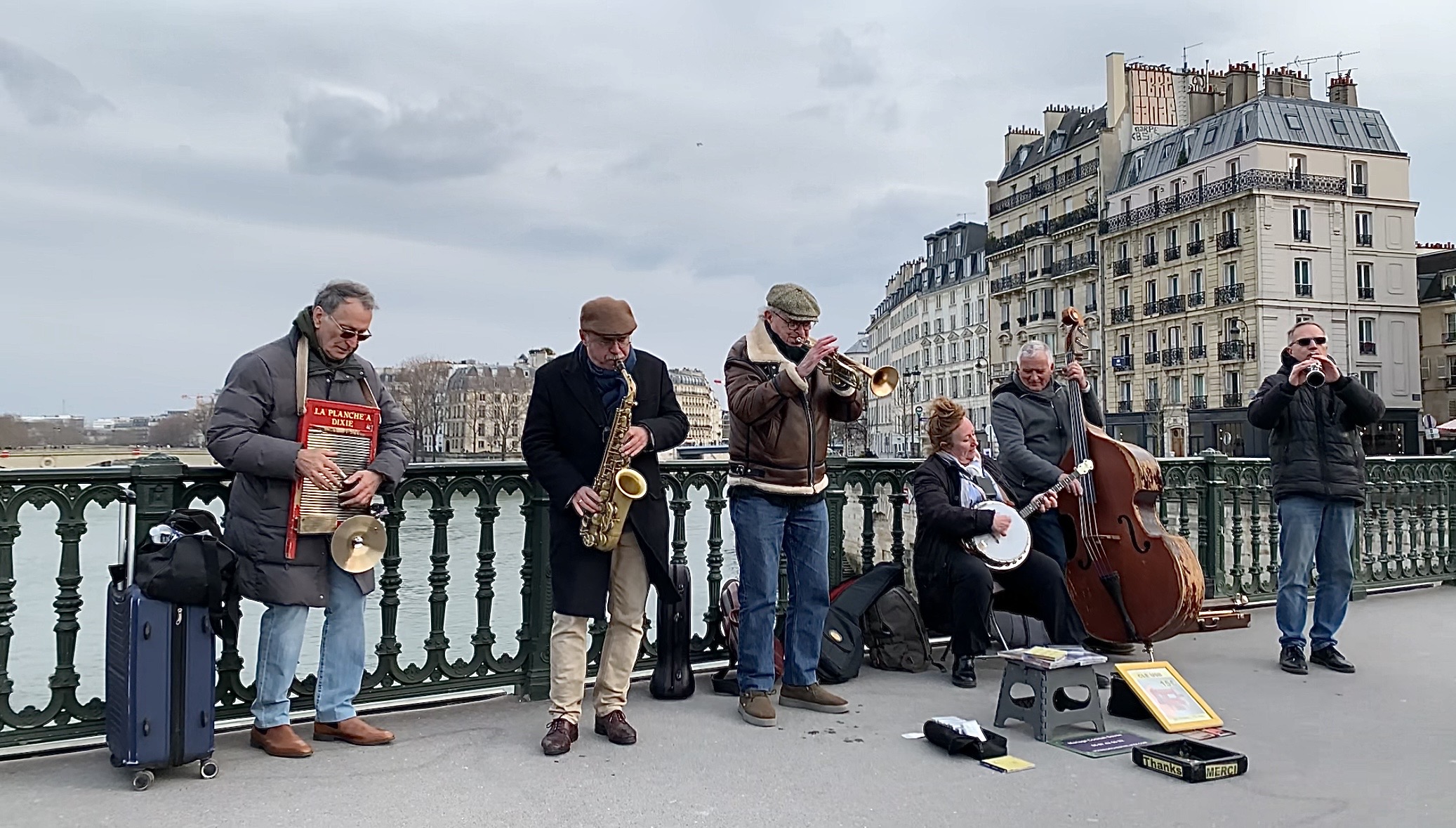
“Music is a world within itself, with a language we all understand.”
- Stevie Wonder
In one verse, Stevie Wonder captures what AUP has yet to fully embrace in its 64-year history: music as global communication. Music moves across borders, cultures, and languages, carrying emotion, identity, politics, and history. For a global, interdisciplinary liberal arts university like AUP, it is shocking that music remains largely confined to extracurricular spaces rather than integrated into the academic curriculum.
So… what would it take for AUP to close the gap between student demand, faculty interest, and institutional priorities, and finally establish a music minor that could grow into a full program?
For many students, this gap feels unexpected, including me. Music has always been a central part of my life, and when I applied to AUP, I never thought to check whether a music program existed; I assumed, quite naturally, that it would. This is Paris, after all!
Yet for many students, particularly those still learning French, joining local community bands, conservatories, or music collectives can feel daunting or inaccessible. These spaces often require a level of linguistic fluency, technical proficiency, or professional commitment that not all students are seeking. Others simply seek the comfort of learning about and creating music within a familiar academic community. As a result, students are left with few structured, inclusive options to continue engaging with music in a meaningful way.
Despite this absence, AUP students actively fill the void. Zoe Smith, AMP (AUP Music and Performance) President, who founded the club two years ago because "there was no music scene at AUP," reports roughly 90 members, an organizing team of seven, and events drawing up to 60 attendees, like monthly open mic nights and the Amplify concert. A singer-songwriter and pianist with an International Baccalaureate (IB) Music background, she explains that music was "always a big part of my life," essential enough that "I couldn't have a college experience without it, so I made sure that it did." AMP also runs the music room and initiatives like Concert Buddies to explore Paris's free concerts, though Zoe laments the small team's limits and her own unawareness of existing classes beyond music production: "I would love to have some more courses."
Paris itself functions as an extension of the classroom. Jazz clubs, classical concert halls, underground venues, experimental sound art spaces, and global music scenes exist just beyond AUP’s doors. Music courses at AUP would not need to exist in isolation; they could thrive through the city in the same way that art history, fashion studies, and visual culture already do.
At present, AUP offers only a small number of music- or sound-related courses, primarily housed within the Global Communications and Media Studies curriculum. While these gesture toward music's academic value, they remain limited. Jessica Feldman, currently teaching "Sound and Music: Making and Listening" at AUP, notes that "half the students know how to play an instrument" despite no music department, confirming Zoe's sense of untapped demand among musically gifted students. With her background in flute, composition, music theory (master's degrees), and sound art, Feldman designed the class for all levels, featuring deep listening exercises, sound walks, field recordings, building speakers and microphones, audio editing, and outings to jazz shows, galleries, and potentially the Philharmonic. She sees such courses building "creative thinking," "digital literacy," and a "playful and subversive relationship with technology," wondering why a small liberal arts school like AUP lacks the basics that other institutions offer: "I think there would be an interest. I think it would be really fun."
Faculty interest already exists, as evidenced both by Feldman's passion and classes filling with eager students.
If AUP truly values global communication and interdisciplinary learning, then music deserves a more central place in the curriculum. After all, “it is a language we all understand.”