The Role Fashion Plays in Professional Sports
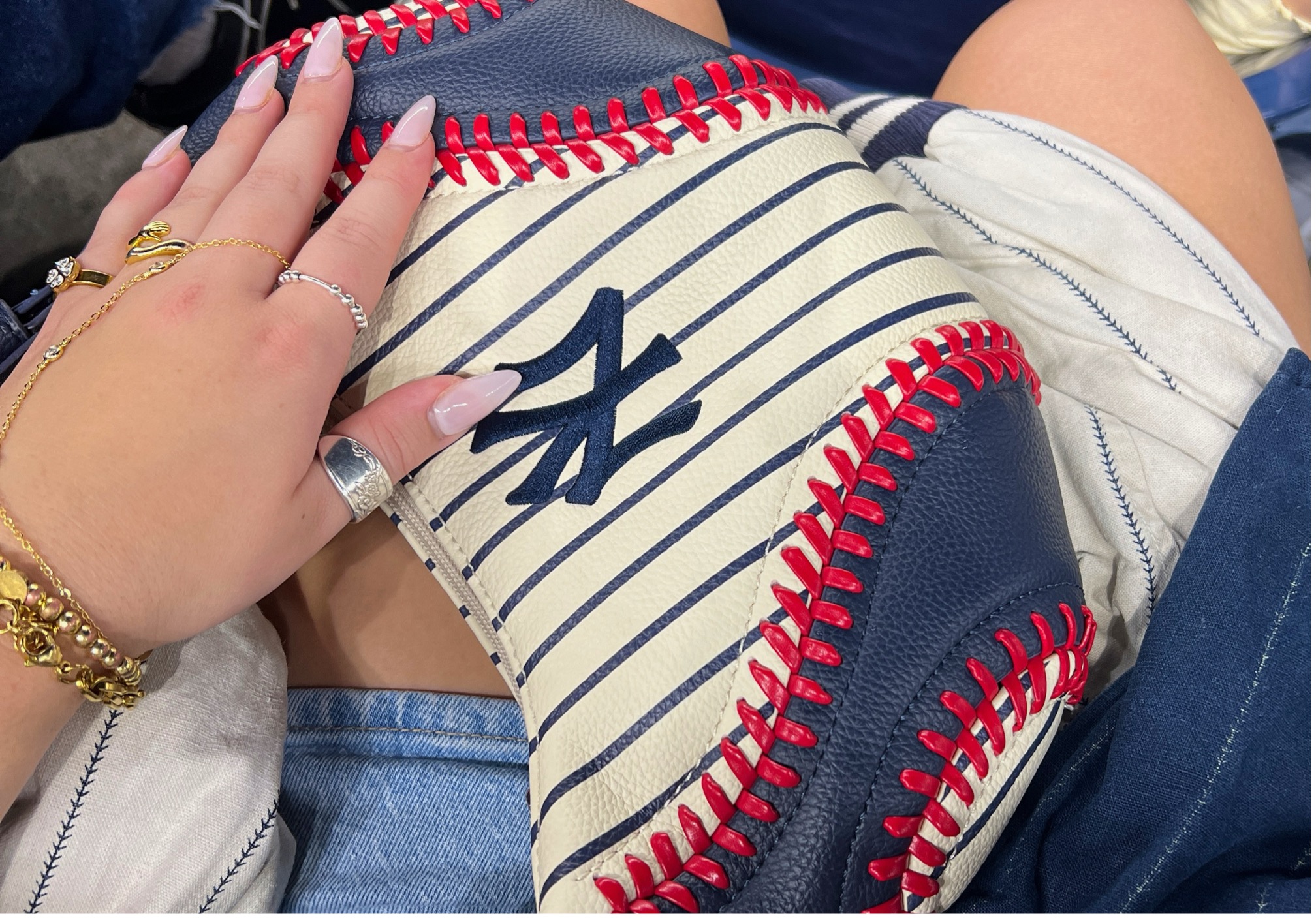
What is "game-day attire", and why should we even care about it? Athletes have been dressing up for the arrival of game day for decades. From the late 19th century onward, sportswear evolved beyond its original purpose, gradually influencing high fashion. Over time, sportswear became a marker of status and high fashion. Parisian tennis players Jane Régny and Suzanne Lenglen were early figures in the development of fashionable sportswear.
In the 1990s, athletes' game day outfits began to take on a new significance. Fashion became a way for athletes to express their individuality, push boundaries, and build their personal brands. On-court attire and walkout kits made a statement: professional athletes want recognition for their style, and not just their athletic performance.
The relationship between Parisian luxury and athletic performance reached a peak at the Paris 2024 Olympics, where LVMH partnered with the Games for the first time, and sponsored athletes. This collaboration highlighted the role of luxury fashion in sporting events and its place in French culture.
AUP fashion student Briana Georgiev shared her thoughts on the interplay of fashion and sports. "Big brands now represent and sponsor the players and teams, allowing fans to participate in the trend and join them," Georgiev stated. "I think it is a good idea that fashion and sports are blending together because it allows different sides of the industry to come together fro those that are interested in both."
Sports style has to do with how players look and carry themselves, from their clothing and accessories to their overall personal style. The intersection of hip-hop and sports culture in the 90s saw athletes embracing fashion styles shaped by the music and culture around them. Professional athletes such as football player Deion Sanders and basketball player Dennis Rodman started to incorporate their own personal touches into their game-day fits, both on the field and off the court.
Deion Sanders Draft Day Outfit
Sports and fashion have become increasingly intertwined across both men’s and women’s sports. Fans are eager to see what their favorite players and teams decide to show up in, and teams decide to show up wearing, whether it is a tailored suit or a more unconventional outfit. It’s the players themselves who believe that a great outfit can set the tone before a game: “It’s like I put on a costume,” Dallas Cowboys linebacker Von Miller told ESPN. “It gives me a different energy, a different spark.”
The connection between sports and fashion is apparent not only in major football and basketball sports leagues. Tennis has also become a display of carefully crafter looks. Indeed, the 2026 U.S. Open just came to an end and solidified its status as a premier fashion event.
On the court, two-time U.S. Open winner Carlos Alcaraz stepped out wearing an unreleased ensemble from the Nike x Travis Scott "Cactus Court" collection. Naomi Osaka took to the court in custom designs by Thom Browne and Who Decides War. Osaka's Thom Browne look featured an all-white silk gazar overcoat with matching belts, embroidered with tiny white and silver tennis rackets, alongside a pleated skirt and athletic mesh inserts.
Carlos Alcaraz U.S. Open Nike x Travis Scott outfit
Internationally, professional sports players have had an immeasurable influence on modern sportswear and men's fashion. Former Manchester United player David Beckham helped challenged the idea that an interest in football and an interest in fashion were mutually exclusive. Beckham's willingness to experiment with his personal style, from tailored suits to more daring looks, made him a prominent figure in men's fashion. As such, Beckham became the face of major fashion campaigns, including Emporio Armani.
David Beckham Outfits
It is of no surprise that world-famous sporting events have a seemingly endless number of big-time sponsors. With millions of watchers at home and hundreds of thousands in attendance there is no shortage of viewers and no denying the spread of content across all platforms.
As high viewer sports events, brands want players to represent them on the largest stage. Many athletes collaborate with fashion brands, and some even have their own brands, which merges audiences from both industries. These partnerships also contribute to the extravagant custom-made outfits athletes wear on game day.
As soon as the football season comes around in the U.S., everyone can be seen tuning in to see players show off their personal style before stepping onto the field. Travis Kelce is a Kansas City Chiefs football player, but he is also known as one of the most fashionable athletes to roll up at stadiums. Kelce puts a lot of thought into choosing the perfect pre-game or post-game outfit, with his unique fashion sense and penchant for experimenting with statement pieces. The football player often shows up wearing designer pieces from Tom Ford, Bottega Veneta, Louis Vuitton, and Amiri, making his arrival a part of the spectacle.
Travis Kelce Game Day Outfit
On a similar track, the WNBA has experienced a massive increase in popularity thanks to athletes like Angel Reese. The Chicago Sky basketball player became the first professional female basketball player to appear on the cover of American Vogue and has attended the Met Gala twice, including as a member of its Host Committee. The Met Gala is not only about fashion but about narrative, performance, and self-expression on one of the industry's biggest nights. Reese also made a statement about the place of athletic bodies in fashion when walked the Victoria’s Secret runway, challenging narrow ideas about which body types are celebrated in the fashion industry.
Angel Reese Walking the Victoria's Secret Fashion Show
Fashion's influence now extends far beyond the runway and other modes of cultural visibility such as campaign ads, street style and celebrity culture. Athletes have become part of this wider landscape as they showcase designers to audiences around the world.
Paris is an essential canvas that showcases the connection between sports and fashion given its long history of bridging the two together, notably through institutions such as the Musée des Arts Décoratifs.
Luxury and mass-market brands are converging on the same activation playbook: cultural relevance at major sporting events now matters more than price tier or brand pedigree. Athletes generate measurable brand value and trend signals that reach global audiences faster and more authentically than traditional campaigns, with 87% of consumers more likely to purchase products endorsed by athletes they follow.
The sporting and fashion industries are so integrated into society and culture that their interlinked relationship appears inherent. This intersection provides a new avenue for ideas and innovation for both designers and athletes alike, as the industries continue evolving. For athletes, clothing offers another way to express thier personalities beyond their performance on the field or court.
Sports and fashion coincide
Athletes show that feeling comfortable in the clothes you wear allows you to be yourself more fully. Fans get to see players express themselves through their clothing and personal style, as they take more pride in how they show up for work. “Dressing the same isn’t special. Being in a designed suit by a master craftsman is truly special,” Lebron James told The New York Times. At the Lacoste show during the 2026 Paris Fashion Week, prominent sports figures such as Venus Williams and Dwane Wade were among those seated in the front row, making the connection between sports and fashion visible beyond the stadium.
With the seasonal shift in sports and fashion, fans of both can turn on game days as an unofficial runway and see how their favorite athletes dress and express themselves.