The SGA Beat - 25 March 2026
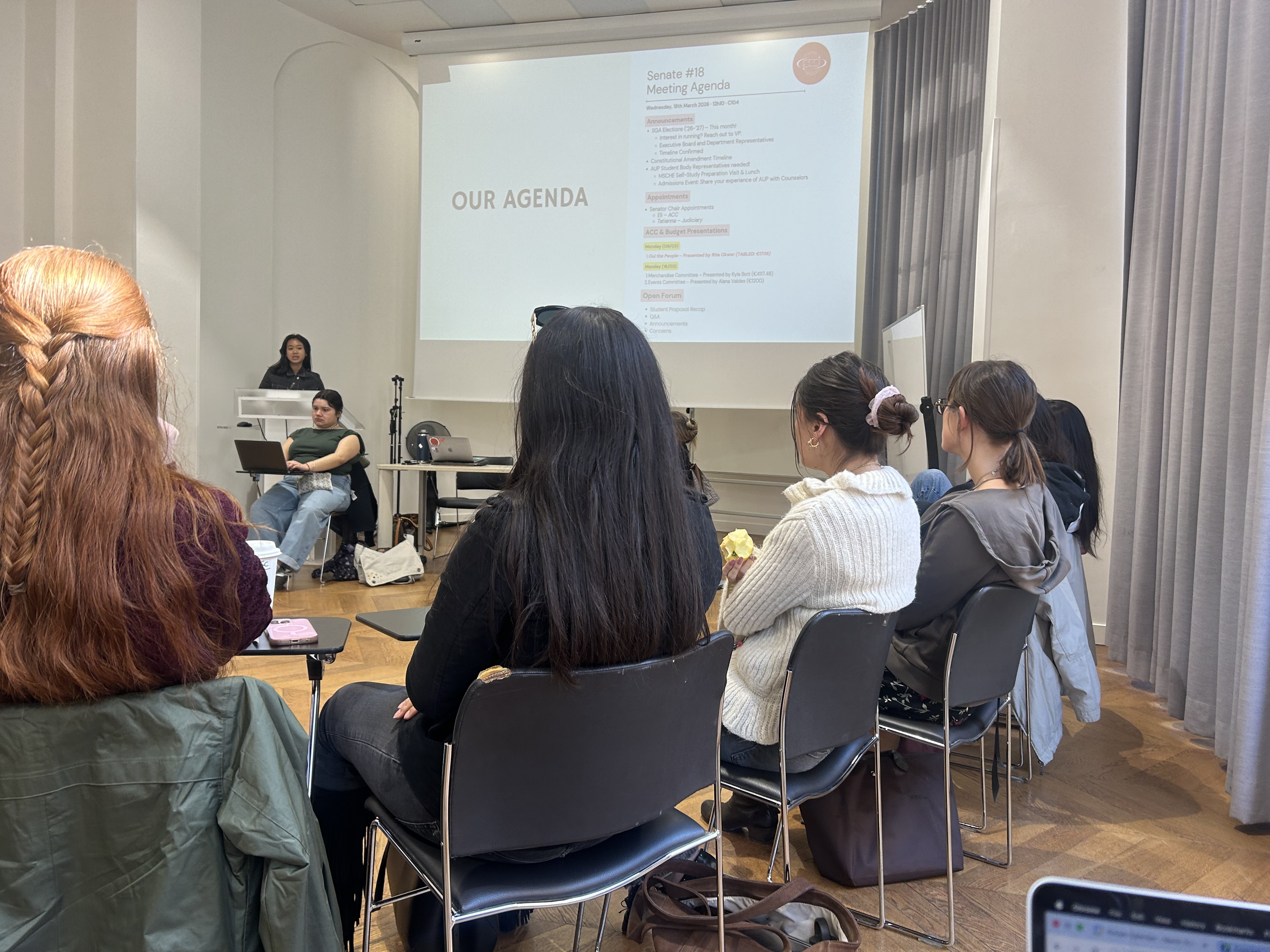
Wednesday’s SGA meeting in C104 was a whirlwind of high-stakes decisions, from a proposed amendment to the treasurer selection process to large budget approvals, all against a backdrop of tight funds heading into the next semester. The session set the tone for the upcoming 2026–2027 elections, reminding the student body that this year’s Executive Board race is shaping up to be consequential.
The meeting opened with a discussion of a proposed constitutional amendment regarding the Treasurer role. A student introduced the idea of a Treasurer Selection Committee, aimed at creating a more structured, transparent process for appointing the student body treasurer. Another student read a detailed letter outlining the responsibilities and expectations of the treasurer position, emphasizing accountability and oversight in managing club and Senate funds. Senators debated the amendment, weighing the benefits of formalizing the selection process against potential delays in filling the role. This proposal quickly became the central focus of the meeting, highlighting governance reforms as the top story of the day.
SGA elections for the 2026–2027 academic year were officially announced. Undergraduate positions available include President, Vice President, Communications Director, Social Director and Treasurer, while graduate roles include President, Vice President, Communications Director and Social Director. Students were encouraged to reach out to the Vice President if they were interested in running.
The Senate then moved to vote on student proposals. The AUP Vineyard Initiative was rejected after discussion. The proposal aimed to create a campus vineyard space for community engagement, sustainability workshops and small-scale social events. Senators expressed concerns about maintenance costs and feasibility, noting that the project would require ongoing staff oversight and funding that the SGA budget could not sustainably support.
Budget approvals continued despite an acknowledged tightness in available funds. The Merch Committee’s 4,117 euro budget for quarter zips and stickers was approved even under these constraints, reflecting strong support for student engagement initiatives. Voices of the Global Majority received 286 euros for museum tickets supporting a planned visit, adding a cultural and educational component to club activities. SJP and the Events Committee were approved for 273 euros to host their Eid celebration on April 1, covering event materials and catering for attendees.
Model United Nations presented a 3,236 euro request, primarily to purchase conference materials such as banners, lanyards, notebooks, tote bags, gavels and awards. Senators noted that this funding was requested preemptively for next semester’s large-scale international conference. MUN clarified that any unused funds from this budget would be redirected toward tickets for other conferences, making the allocation more flexible and sustainable. The request was tabled because it exceeded the 1,500 euro threshold for immediate approval, pending further review and confirmation of details with Peter, a senator involved in the MUN board.
Oui the People’s French immersion trip to Colmar was also approved. Eight students and two advisors are participating, with students having already contributed 50 euros each. The club requested 1,736 euros to cover travel and program costs, providing an opportunity for students above French level B1 to practice the language in a cultural setting outside Paris.
The meeting also briefly highlighted the Ombudsman Pilot Program, a new initiative intended to offer a neutral point of contact for student concerns, and provided updates on ACC appointments with a new senator as Chair and another senator as Judiciary Chair.
The session closed with open forum, where senators reflected on the decisions and addressed lingering questions. The discussion captured the tension between tight budgets and ambitious student initiatives, leaving attendees eager to see how approved programs unfold and how upcoming elections might influence governance and funding decisions in the semester ahead.